



Planting and Growing mealy sage

| Care difficulty | 2 / 5 |
|---|---|
| Watering schedule | Moderate regular watering, allowing brief slight drying between soakings |
| Sunlight requirements | Full sun · Partial shade |
| Ideal temperature | 15 – 25 °C |
| Soil type | Loam · Sand |
| Soil pH | Acid · Alkaline · Neutral |
| Soil moisture | Moist but well drained · Well drained |
| Fertilizing | Balanced perennial feed every four weeks from spring through summer |
| Toxicity | Information to be completed |
How to Water mealy sage?
Thriving in its native arid landscapes, mealycup sage has adapted to conserve water, exhibiting a strong drought tolerance. After establishing its roots, mealycup sage prefers a steady watering schedule of once every week to maintain its health without over-saturation. Given that mealycup sage is typically grown outdoors, it's important to consider the plant's flowering phase when adjusting water levels; during peak blooming periods, consistent moisture can support more vibrant and sustained floral displays.
Learn more →What Are the Sunlight Requirements for mealy sage?
Mealycup sage thrives best under full sun conditions, requiring at least 6 to 8 hours of direct sunlight daily to optimize its growth, health, and flowering capabilities. While mealycup sage can tolerate partial sun, lesser light conditions may lead to reduced blooming and potential legginess as the plant stretches for light. In its natural habitat, mealycup sage has adapted to utilize bright light effectively, perhaps showing denser foliage and more vibrant flower colors when exposed fully to sunlight. When planting outdoors, it is ideal to place mealycup sage in a location that is exposed to ample sunlight throughout the day, ensuring robust growth.
Learn more →What Is the Ideal Temperature Range for mealy sage?

Mealycup sage is notably resilient, tolerating temperature variations from 0℃ (32℉) to 41℃ (106℉). It’s adapted to endure both cold and heat extremes, which broadens its suitability to diverse environments. However, during frigid conditions, mealycup sage may exhibit leaf curling or browning, indicating exposure to temperatures below its tolerance. Concurrently, extreme heat can lead to wilting and scorched leaves. To safeguard mealycup sage, mulch application and adequate watering can mitigate heat stress, while frost cloths or greenhouse placement offer protection against cold snaps. This robustness makes mealycup sage relatively low-maintenance but still necessitates occasional protective measures during extreme weather.
Learn more →What Soil Is Best for mealy sage?
Mealycup sage prefers rich or clay soils. Drainage is also key and you should add grit to heavy or compact soils. If you are planting mealycup sage in a pot, the addition of perlite is recommended for better drainage.
- Soil type
- Loam · Sand
- Soil pH
- Acid · Alkaline · Neutral
What Are the Moisture Requirements for mealy sage?
Moist but well drained · Well drained
Learn more →How to Fertilize mealy sage?

For optimal growth, mealycup sage benefits from balanced nutrition fertilizers (e.g., NPK 10-10-10) applied monthly during the growing season. High phosphorus fertilizers enhance blooming. Begin with a lighter dose, progressively increasing to the manufacturer's recommended amount. Avoid over-fertilization, which can cause foliage at the expense of flowers. Reduce feeding in winter as mealycup sage enters dormancy. Utilize slow-release or liquid fertilizers for controlled nutrient delivery and to prevent burn. Ensure even distribution around the base and water thoroughly after application.
Learn more →How to Prune mealy sage?

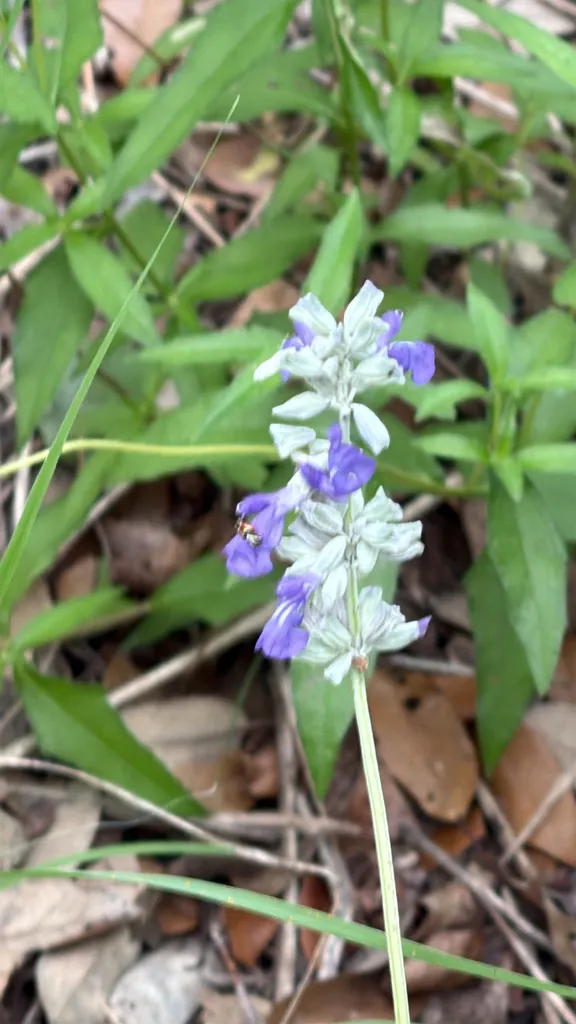
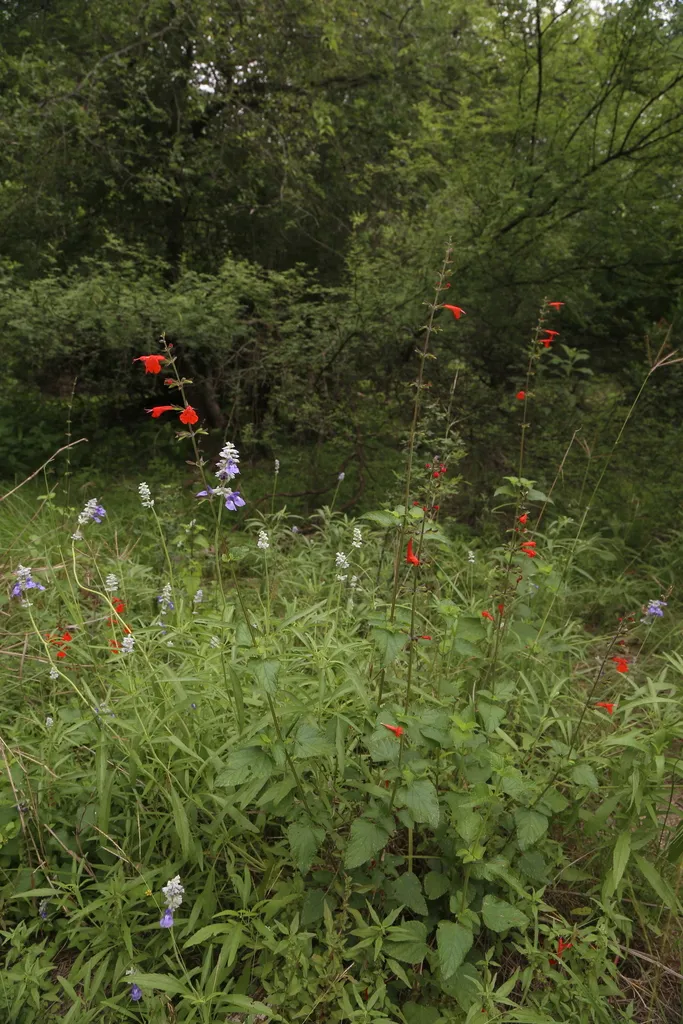
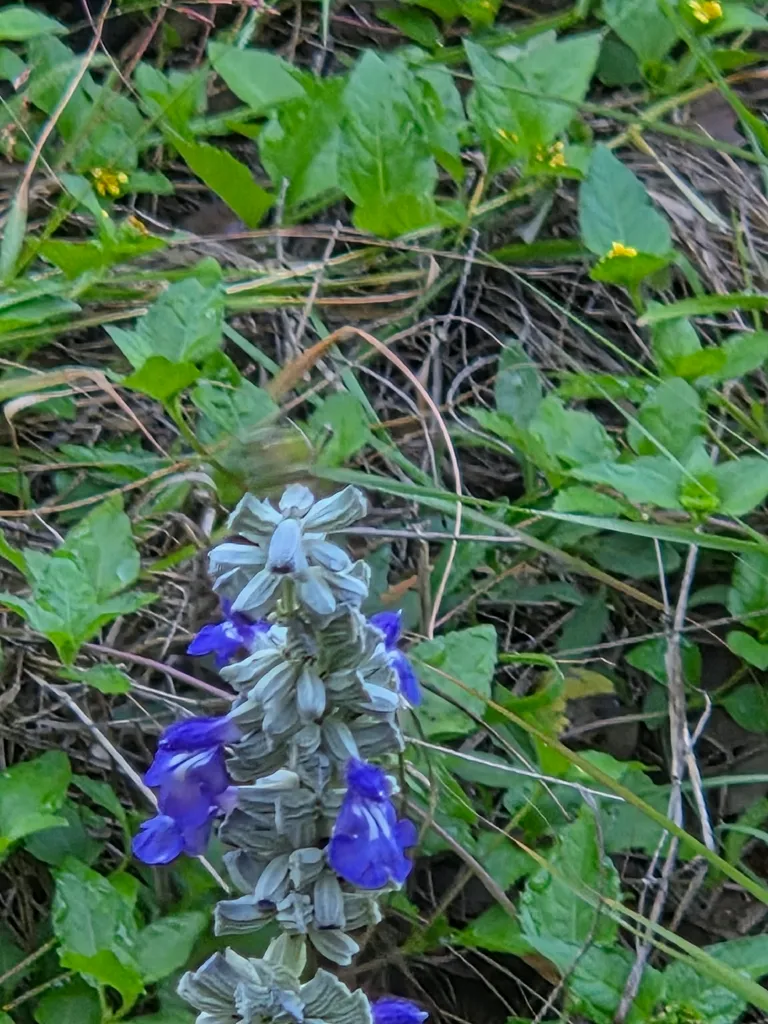
Mealycup sage, notable for its striking blue blooms and tolerant nature, benefits most from pruning in early to late spring. Key techniques include cutting back spent flower spikes to encourage further blooming and reducing overgrown stems to maintain shape and vigor. Regularly remove dead or damaged foliage to prevent disease. This maintenance promotes healthier growth and enhances overall appearance.
Learn more →How to Propagate mealy sage?

The ideal propagation season for mealycup sage is spring, with sowing as the preferred method. It has moderate propagation difficulty, and successful propagation is indicated by healthy, green shoots. Maintain even moisture and temperature for optimal growth.
Learn more →How to Transplant mealy sage?
Mealycup sage thrives when transplanted during early to mid-spring, when temperatures begin to rise, offering a fresh and welcoming environment. Choose a sunny location, ensuring well-draining soil and regularly spaced plants. Remember to water regularly after transplanting for optimal establishment and growth.
Learn more →How to Care for mealy sage in Winter?

Hailing from Texas' semi-arid conditions, mealycup sage is ripe with adaptability, going dormant in colder seasons to lessen chill damage. Given its frost-sensitive nature, it doesn't tolerate icy temperatures well. Gardeners should consider overwintering mealycup sage indoors, or providing a thick layer of mulch for outdoor specimens. In spring, pruning dead branches and heavy watering relives mealycup sage's winter dormancy, reinforcing its vibrant blue spires.
Learn more →How to Plant mealy sage?
Indoors-potted: In an indoor setting, mealycup sage thrives with rotation to ensure even growth due to its preference for ample light exposure. Outdoors-potted: Outdoor pots enhance mealycup sage's vibrant colors but require diligent drainage management to prevent root rot. Outdoors-in the ground: Mealycup sage, when planted in the ground, spreads quickly; consider space allocation to accommodate its expansive nature.
Learn more →How to Repot mealy sage?
Ideal for repotting every 2-3 years, mealycup sage is a bush that flourishes when given fresh space. Repot in early spring to encourage robust growth, adopting a slightly larger pot to accommodate root expansion. Post-repotting, mealycup sage prefers lightly moistened soil and partial sunlight. Ensure a well-draining pot to prevent root rot, fostering a healthy, vibrant display of its striking blue spires.
Learn more →Common Pests & Diseases

Diseases
May be susceptible to honey fungus (rarely), powdery mildews, verticillium wilt and foot and root rots
Pests
Generally pest-free
Explore the plant health library →