



Planting and Growing rosemary

| Care difficulty | 3 / 5 |
|---|---|
| Watering schedule | Moderate regular watering, allowing brief slight drying between soakings |
| Sunlight requirements | Full sun |
| Ideal temperature | 15 – 25 °C |
| Soil type | Chalk · Loam · Sand |
| Soil pH | Acid · Alkaline · Neutral |
| Soil moisture | Well drained |
| Fertilizing | Balanced perennial feed every four weeks from spring through summer |
| Toxicity | Skin allergen. Wear gloves and other protective equipment when handling |
How to Water rosemary?
Originating from the Mediterranean region, rosemary is accustomed to a climate with moderate humidity and occasional dry spells. This herb thrives in well-drained soil, reflecting its drought-resistant nature; it can tolerate short periods without water. For optimal growth, rosemary should receive watering every week. As an evergreen plant, rosemary retains its foliage year-round, necessitating consistent moisture levels to maintain its vibrant leaves. Typically grown outdoors due to its preference for full sun exposure, rosemary benefits from being planted in areas where rainfall can supplement regular watering schedules.
Learn more →What Are the Sunlight Requirements for rosemary?
Rosemary thrives in conditions of full sun, requiring at least six to eight hours of direct sunlight daily to grow robustly and produce its signature aromatic foliage. While rosemary tolerates partial sun, insufficient light may lead to leggy growth, reduced vigor, and fewer blooms. Optimal light enhances photosynthesis, essential oil production, and encourages plentiful flowering. In outdoor settings, rosemary benefits from a south-facing position where sun exposure is maximized. For indoor growth, placement near a sunny window is ideal. Rosemary does not possess notable light-adaptive foliage traits but maintains a consistent evergreen appearance throughout various light exposures.
Learn more →What Is the Ideal Temperature Range for rosemary?

Your plant is native to the Mediterranean region, where it thrives in hot, dry climates. It prefers warm temperatures but can tolerate some fluctuations. In cooler temperatures, it may become dormant, and excessive heat may cause damage. Keeping the plant in a sunny location and providing well-draining soil can help regulate its temperature needs.
Learn more →What Soil Is Best for rosemary?
Rosemary prefers rich or clay soils. Drainage is also key and you should add grit to heavy or compact soils. If you are planting rosemary in a pot, the addition of perlite is recommended for better drainage.
- Soil type
- Chalk · Loam · Sand
- Soil pH
- Acid · Alkaline · Neutral
What Are the Moisture Requirements for rosemary?
Well drained
Learn more →How to Fertilize rosemary?

For optimal health, rosemary thrives with balanced fertilizers (5-5-5) applied semi-annually, spring and mid-summer. During active growth, high nitrogen options encourage foliage vigor. A light feeding, following label rates, avoids over-fertilization, which can harm rosemary's roots and natural hardiness. As seasons shift, reduce application to prevent tender growth vulnerable to cold. Using slow-release or organic amendments ensures steady nutrient delivery. Always water rosemary after feeding to help soil absorption.
Learn more →How to Prune rosemary?

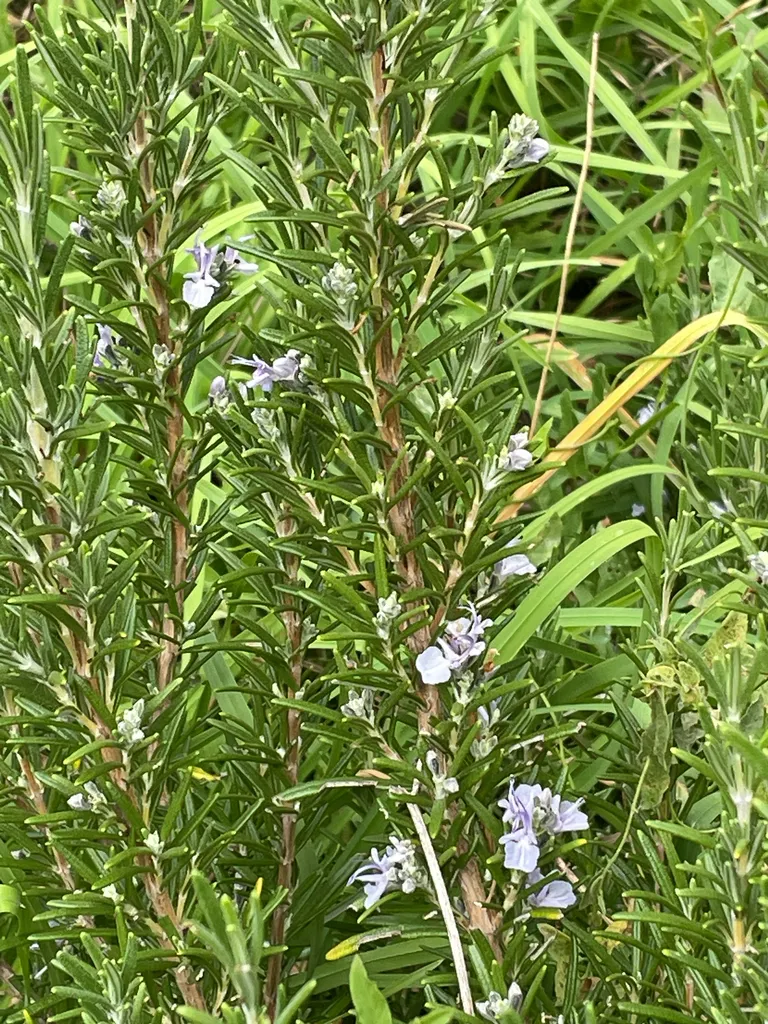
Rosemary is an evergreen shrub with aromatic, needle-like leaves and blue flowers. Prune rosemary in late spring, post-flowering, to maintain shape and encourage dense growth. Trim back one-third of the new growth, avoiding cutting into old woody stems, as they may not regenerate. Regular pruning prevents legginess and supports a healthier, more productive plant. Proper timing and technique ensure continuous growth and enhanced ornamental and culinary value.
Learn more →How to Propagate rosemary?

Rosemary displays its propagation habit most ideally during Spring and Summer. Preferred method, known as cuttings, offers moderate difficulty level. Success manifests in new growth and bud formation. Ensure consistent humidity fostering root development.
Learn more →How to Transplant rosemary?
The ideal time for transplanting rosemary is mid-spring to late-spring, or mid-fall to late-fall, as it encourages root establishment before extreme temperatures. Choose a sunny location with well-drained soil. Gently loosen the roots during transplant for better growth.
Learn more →How to Care for rosemary in Winter?

Rosemary residue thrives in the Mediterranean's warm & dry climate. Naturally, it can resist mild winters, needing little attention amid cold periods. However, for severe winters in colder climates, consider potted cultivation. Bring rosemary inside during extreme cold, and maintain proper drainage to avoid root damage due to overwatering.
Learn more →How to Plant rosemary?
Indoors-potted: In an indoor setting, rosemary thrives on consistency. Rotate your pot regularly for even growth due to its love for light. Outdoors-potted: Rosemary, when potted outdoors, prefers space for roots. Ensure a larger container to accommodate its expansive root system. Outdoors-in the ground: Outdoor-ground planted rosemary requires well-draining areas as it's sensitive to overly moist soil, which could lead to root issues.
Learn more →How to Repot rosemary?
Repot rosemary, a hardy shrub, early spring every 2-3 years to accommodate growth. Choose a container one size up for healthy root expansion. Post-repotting, place rosemary in bright, indirect light and water sparingly to avoid root rot. This robust plant bounces back quickly with minimal fuss, but avoid compacted soils for optimal recovery and growth. The ideal pot promotes drainage and breathability.
Learn more →Common Pests & Diseases

Diseases
May be susceptible to honey fungus (rarely), powdery mildews, verticillium wilt and foot and root rots
Pests
May be susceptible to rosemary beetle, cuckoo spit, sage leafhopper, tortrix moth and scale insects
Explore the plant health library →Troubleshooting
Drying, Browning Needles and Root Rot (Especially Indoors)
Salvia rosmarinus (rosemary, formerly Rosmarinus officinalis) is a Mediterranean evergreen shrub that fails quickly in soggy, poorly drained soil or warm, stagnant indoor air—often turning brittle and gray-brown even when the soil is wet.
| What you notice | Possible explanation | What to check next |
|---|---|---|
| Lower and inner needles turn brown, dry, and brittle while the potting mix stays damp or heavy | Root rot from overwatering or heavy, moisture-retentive soil | Check pot drainage holes, empty standing water, and allow the top layer of gritty soil to dry out between waterings. |
| Indoor potted rosemary dries out and drops needles during winter heating | Warm, dry indoor air combined with low light or uneven watering | Move the pot to the brightest sunny window in a cool room (10°C to 18°C / 50°F to 65°F) away from heating vents. |
- Grow rosemary in fast-draining sandy or grit-amended soil in a terracotta pot or raised bed with open drainage.
- Water thoroughly only after the top 1 to 2 inches of soil feel dry, and never let the pot stand in water.
- Provide at least 6 to 8 hours of direct sunlight daily and brisk air circulation.
Because rosemary roots rot easily in wet potting mix while shoots dry out rapidly in warm rooms, cool bright windowsills work far better than warm living rooms in winter.
White Powdery Coating on Leaves or Woody, Leggy Stems
Powdery mildew is common on indoor rosemary in stagnant air, while unpruned shrubs naturally become woody at the base.
| What you notice | Possible explanation | What to check next |
|---|---|---|
| White powdery spots coat young shoots and needles in humid or poorly ventilated conditions | Powdery mildew | Isolate the plant, prune affected shoot tips, increase airflow, and avoid wetting the foliage. |
| Stems become bare and woody at the bottom with green growth only at the tips | Lack of light or lack of annual post-bloom trimming | Prune lightly in spring after flowering, always leaving green leafy growth above bare old wood. |
- Keep foliage dry when watering and ensure good air movement around the plant.
- Trim back up to one-third of green shoot tips in mid- to late spring after flowering; avoid cutting into bare old wood, which rarely regenerates.
- Salvia rosmarinus is listed as non-toxic to cats and dogs by the ASPCA.
Avoid heavy nitrogen fertilizers, which produce weak, floppy shoots with lower essential-oil aroma.
The Toxicity of rosemary
Skin allergen. Wear gloves and other protective equipment when handling