



Planting and Growing rutabaga

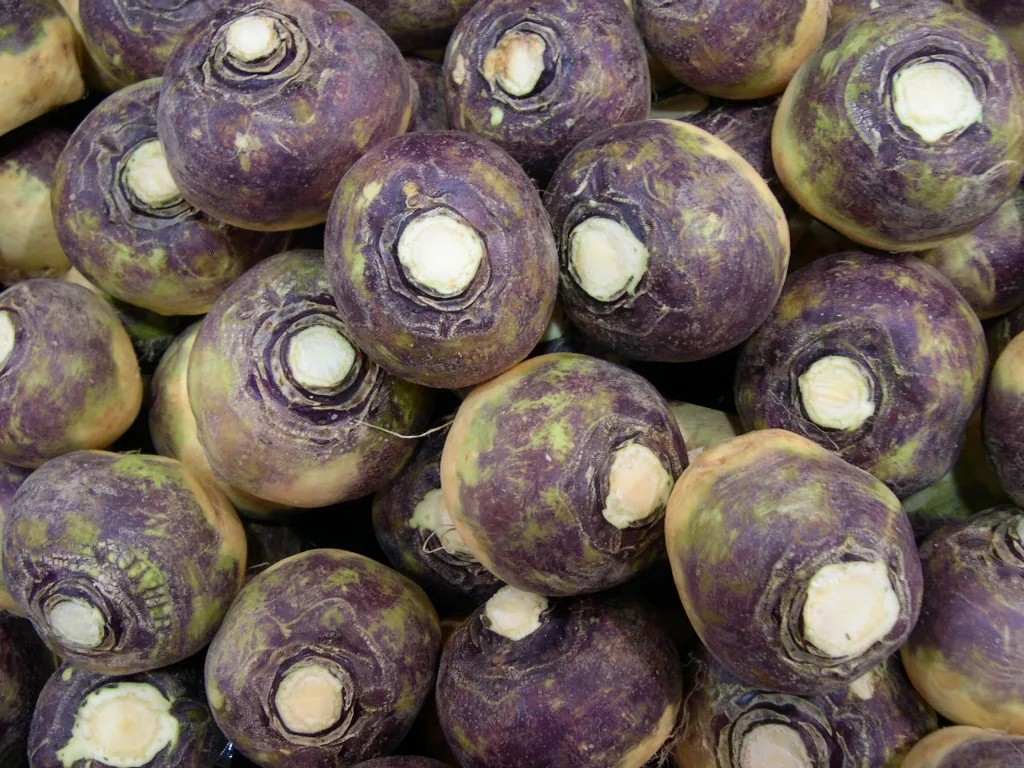
| Care difficulty | 2 / 5 |
|---|---|
| Watering schedule | Keep soil consistently moist for steady leafy growth without drought stress |
| Sunlight requirements | Full sun |
| Ideal temperature | Information to be completed |
| Soil type | Chalk · Clay · Loam · Sand |
| Soil pH | Alkaline · Neutral |
| Soil moisture | Moist but well drained |
| Fertilizing | Nitrogen-rich vegetable feed every two to three weeks in active growth |
| Toxicity | Information to be completed |
How to Water rutabaga?
Keep soil consistently moist for steady leafy growth without drought stress
Learn more →What Are the Sunlight Requirements for rutabaga?
Full sun
Learn more →What Soil Is Best for rutabaga?
- Soil type
- Chalk · Clay · Loam · Sand
- Soil pH
- Alkaline · Neutral
What Are the Moisture Requirements for rutabaga?
Moist but well drained
Learn more →How to Fertilize rutabaga?

Nitrogen-rich vegetable feed every two to three weeks in active growth
Learn more →How to Prune rutabaga?

No pruning required
Learn more →How to Propagate rutabaga?

Propagate by seed. See sowing vegetable seeds
Learn more →How to Plant rutabaga?
Grow in full sun in firm, fertile soil - including coastal regions. For more advice see swede cultivation
Learn more →Common Pests & Diseases

Diseases
May be susceptible to brassica downy mildew and brassica white blister. In areas where brassicas have been grown before, clubroot can build up in the soil
Pests
May be susceptible to flea beetle when young, caterpillars of small white butterflies, cabbage root fly, pigeons and mealy cabbage aphid
Explore the plant health library →