



Planting and Growing monk's hood 'Spätlese'

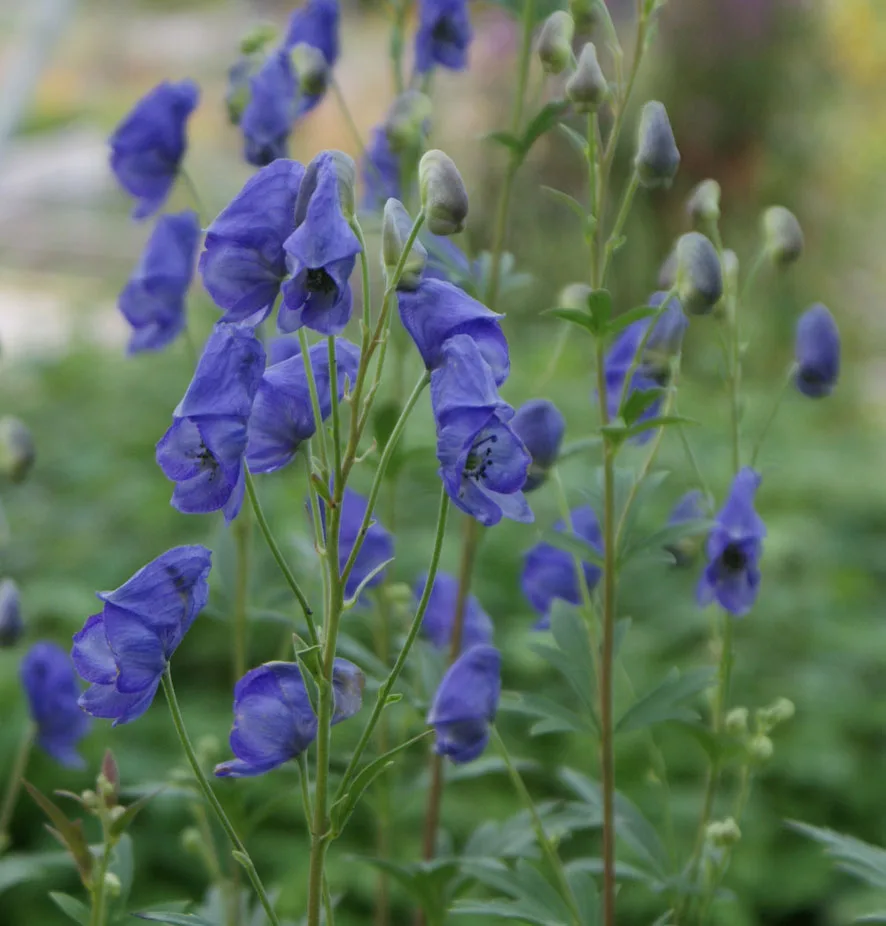
| Care difficulty | 2 / 5 |
|---|---|
| Watering schedule | Consistently slightly moist soil, guard against extreme dryness |
| Sunlight requirements | Full sun · Partial shade |
| Ideal temperature | Information to be completed |
| Soil type | Clay · Loam |
| Soil pH | Acid · Alkaline · Neutral |
| Soil moisture | Moist but well drained |
| Fertilizing | Diluted liquid bloom fertilizer every two weeks in summer growth |
| Toxicity | TOXIC if eaten, avoid skin contact. Wear gloves and other protective equipment when handling] |
How to Water monk's hood 'Spätlese'?
Consistently slightly moist soil, guard against extreme dryness
Learn more →What Are the Sunlight Requirements for monk's hood 'Spätlese'?
Full sun · Partial shade
Learn more →What Soil Is Best for monk's hood 'Spätlese'?
- Soil type
- Clay · Loam
- Soil pH
- Acid · Alkaline · Neutral
What Are the Moisture Requirements for monk's hood 'Spätlese'?
Moist but well drained
Learn more →How to Fertilize monk's hood 'Spätlese'?

Diluted liquid bloom fertilizer every two weeks in summer growth
Learn more →How to Prune monk's hood 'Spätlese'?

Tall stems can be pruned down in late autumn when flowering is finished
Learn more →How to Propagate monk's hood 'Spätlese'?

Divide in autumn or late winter to maintain vigour, although plants can be slow to re-establish. Use gloves when handling plants as all parts are highly toxic
Learn more →How to Plant monk's hood 'Spätlese'?
Best grown in moisture retentive, fertile soil in partial shade but sun and most soils are tolerated. Staking may be necessary (see staking perennials)
Learn more →Common Pests & Diseases

Diseases
May be susceptible to fungal stem rot and verticillium wilt
Pests
May be susceptible to aphids
Explore the plant health library →The Toxicity of monk's hood 'Spätlese'
TOXIC if eaten, avoid skin contact. Wear gloves and other protective equipment when handling]