



Planting and Growing white oak


| Care difficulty | 2 / 5 |
|---|---|
| Watering schedule | Deep watering during dry spells, allowing slight surface drying between soakings |
| Sunlight requirements | Full sun · Partial shade |
| Ideal temperature | 15 – 25 °C |
| Soil type | Clay · Loam · Sand |
| Soil pH | Acid · Neutral |
| Soil moisture | Moist but well drained · Well drained |
| Fertilizing | Balanced shrub or tree feed once each early spring |
| Toxicity | Information to be completed |
How to Water white oak?
White oak thrives in environments that mimic its native temperate forests, where it benefits from consistent moisture yet is well-adapted to periods of dryness. This species exhibits a preference for moderate humidity and has evolved to tolerate occasional drought. Watering should be adjusted to once every 1-2 weeks, ensuring the soil remains evenly moist but not waterlogged. Typically grown outdoors due to its size and growth habit, white oak requires careful consideration of soil quality; well-draining soil will prevent root rot while retaining enough moisture to support its growth cycles.
Learn more →What Are the Sunlight Requirements for white oak?
White oak prospers best in full sunlight where it can receive direct light for the majority of the day, facilitating vigorous growth and optimal health. Although white oak can tolerate partial sun, reduced light may impact growth rates and overall vitality. White oak displays adaptability by altering leaf orientation to maximize light capture under lesser light situations, maintaining resilience. For outdoor cultivation, planting white oak in a location with minimal shade from other structures or trees is advisable for it to meet its full potential.
Learn more →What Is the Ideal Temperature Range for white oak?

White oak, known for its adaptability, can withstand temperatures as low as -30℃ (-22℉) and as high as 38℃ (100℉). This resilience makes it suitable for various climates but requires specific care under extreme temperatures. In cold conditions, white oak may exhibit leaf browning or twig dieback, necessitating mulching and wind protection. Conversely, during excessive heat, symptoms include wilting and leaf scorch, which can be mitigated by adequate watering and shading. These temperature tolerances highlight the need for seasonal protective measures to ensure white oak thrives in diverse environments.
Learn more →What Soil Is Best for white oak?
Ideal soils are well-drained loam, sandy-loam, or sandy-clay soils. Some alluvial fan areas and silts harbor good oaks stands. The key in all of these is that the soil is well-drained. Standing water cannot be tolerated by oaks.
- Soil type
- Clay · Loam · Sand
- Soil pH
- Acid · Neutral
What Are the Moisture Requirements for white oak?
Moist but well drained · Well drained
Learn more →How to Fertilize white oak?

Fertilize white oak with balanced nutrition fertilizers in spring for robust growth or high nitrogen formulations if foliage is poor. Apply every 2-3 years; mature white oak often need no fertilizer. Use 2-4 lbs per 1000 sq ft, avoiding excess. Seasonal changes inform needs: less in dormant winter, more in active spring. Apply at drip line, not trunk, to prevent root burn. Practical tip: test soil before fertilization to tailor application.
Learn more →How to Prune white oak?

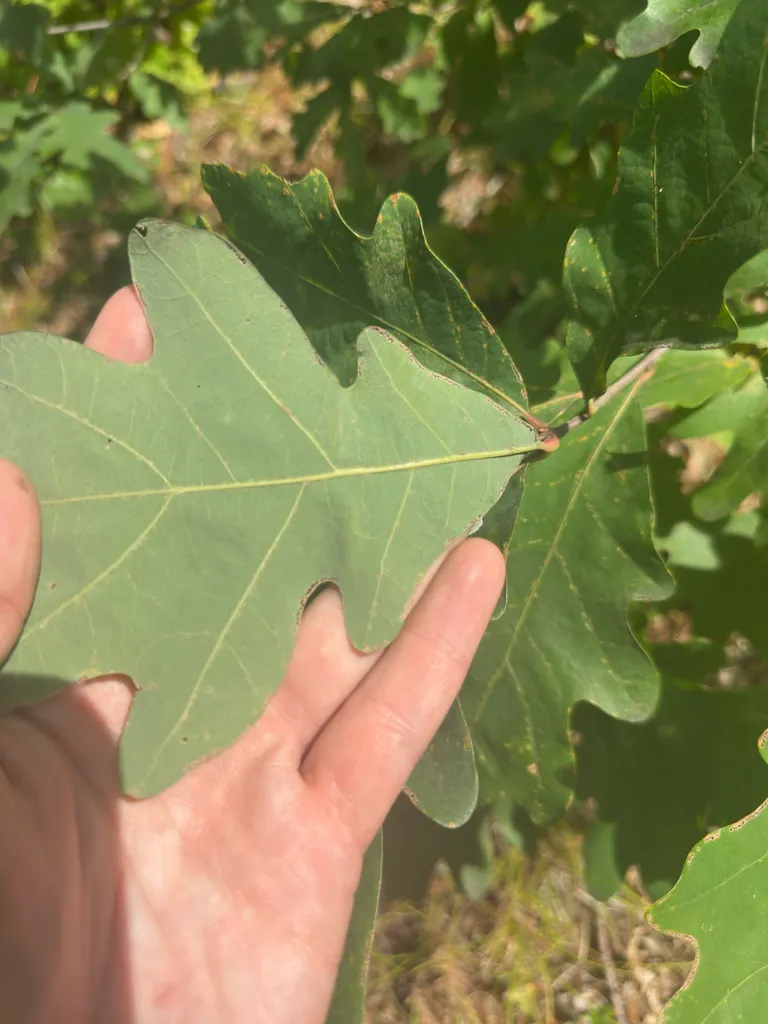
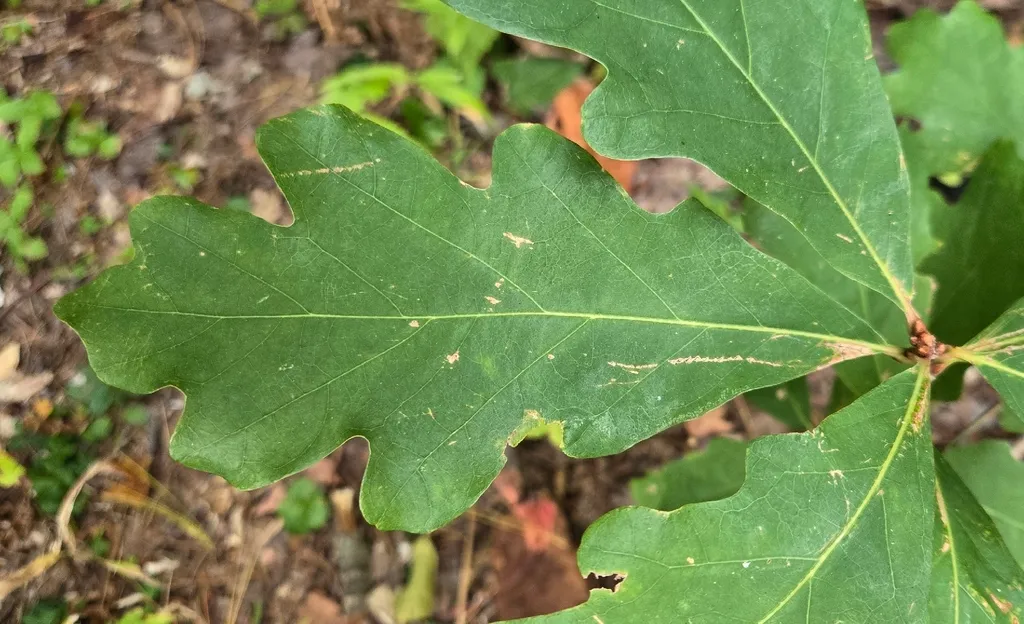
White oak features broad, lobed leaves and a robust, towering stature. Optimal pruning for white oak should be undertaken in early spring before new growth starts. Focus on removing dead, diseased, or crossing branches to enhance airflow and sunlight penetration. Structural pruning helps maintain the tree's shape and health. Pruning this species can prevent potential storm damage and promote vigorous growth, resulting in a stronger, healthier tree.
Learn more →How to Propagate white oak?

White oak is propagated through hardwood cuttings, layering (air), and sowing seeds in autumn and winter. Propagation difficulty varies depending on the method used. Signs of successful propagation include healthy growth and root development. For best results, ensure the chosen method is appropriate for the specific White Oak variety and use sterile equipment during propagation.
Learn more →How to Transplant white oak?
White oak thrives when transplanted from late spring to midsummer, owing to mild temperatures and longer daylight hours. Ensure a well-draining location, preferably in partial sunlight. Be gentle with its delicate root system for optimum success.
Learn more →How to Care for white oak in Winter?

Information to be completed
Learn more →How to Plant white oak?
Indoors-potted: In an indoor setting, white oak is challenging to grow due to its large size and need for ample space; it's uncommon and not recommended as a houseplant. Outdoors-potted: White oak, when kept in outdoor pots, requires larger containers to accommodate root growth, which supports its majestic stature over time. Outdoors-in the ground: Planted outdoors, white oak's extensive root system stabilizes soil, making it ideal for spacious landscapes where it can flourish and mature.
Learn more →How to Repot white oak?
Information to be completed
Learn more →How to Harvest white oak?

Information to be completed
Learn more →Common Pests & Diseases

Diseases
May be susceptible to powdery mildews and honey fungus
Pests
May be susceptible to oak processionary moth, aphids, caterpillars, leaf-mining moths and oak gall wasps
Explore the plant health library →The Toxicity of white oak
Information to be completed