



Planting and Growing peach

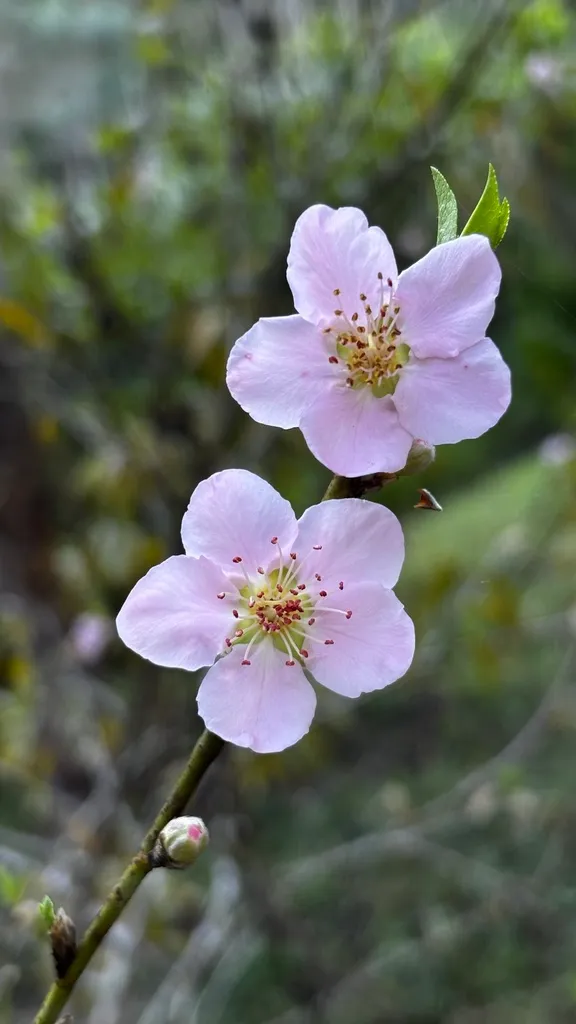
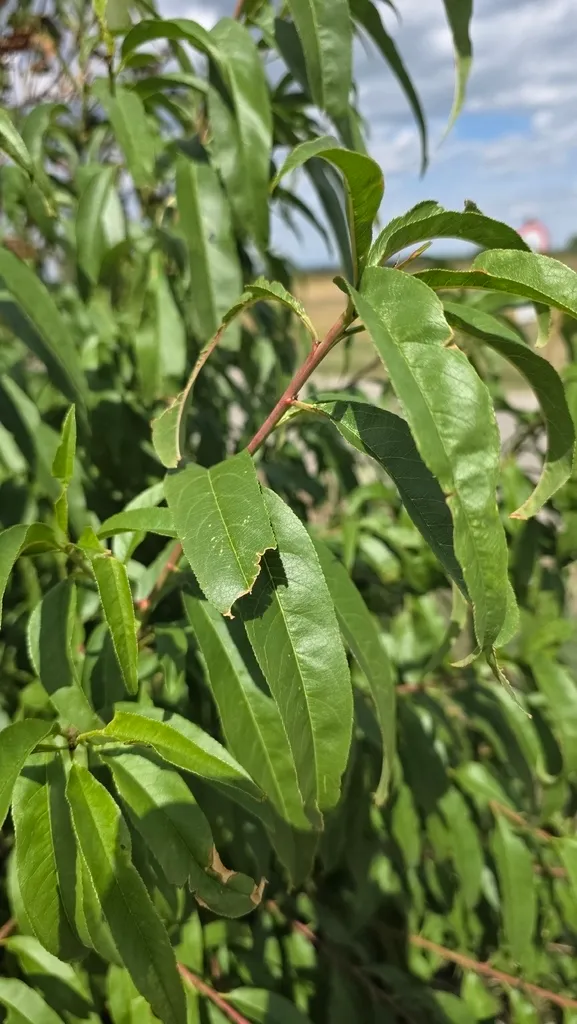
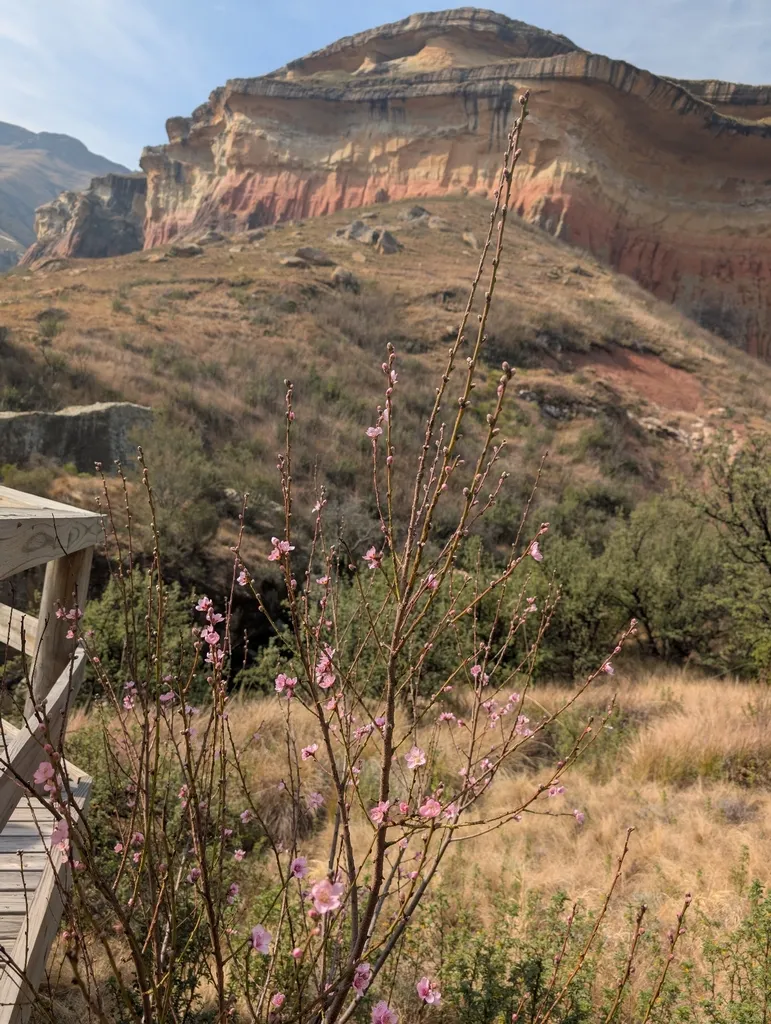
| Care difficulty | 2 / 5 |
|---|---|
| Watering schedule | Deep watering during dry spells, allowing slight surface drying between soakings |
| Sunlight requirements | Full sun |
| Ideal temperature | 15 – 25 °C |
| Soil type | Chalk · Clay · Loam · Sand |
| Soil pH | Acid · Alkaline · Neutral |
| Soil moisture | Moist but well drained |
| Fertilizing | Balanced shrub or tree feed once each early spring |
| Toxicity | Information to be completed |
How to Water peach?
Originating from a temperate climate, peach has adapted to moderate water availability, thriving in conditions that mimic its natural setting. This species exhibits a preference for consistent moisture but can withstand short periods of dryness. The ideal watering schedule for peach is once every 1-2 weeks, ensuring the soil remains evenly moist without becoming waterlogged. As a deciduous plant commonly grown outdoors, peach's water needs fluctuate with the seasons; during its active growth in spring and summer, it requires more frequent irrigation compared to the dormant winter months.
Learn more →What Are the Sunlight Requirements for peach?
Peach thrives best under full sun conditions, requiring at least 6 to 8 hours of direct sunlight daily to optimize its growth, health, and flowering capabilities. While it predominantly prospers in well-lit environments, peach exhibits a notable tolerance to partial sun, where it can still perform well but may exhibit reduced vigor and fewer blossoms. Adequate sunlight exposure is critical, as it enhances photosynthesis, leading to lush foliage and more abundant fruit production. For optimal outdoor growth, peach should be planted in locations that ensure maximum exposure to direct sunlight, avoiding any shadowed areas to prevent growth compromises.
Learn more →What Is the Ideal Temperature Range for peach?

Peach demonstrates moderate resilience to temperature variations. It can tolerate cold temperatures down to -20℃ (-4℉) but can suffer from frost damage and bud loss if exposed for prolonged periods. Conversely, peach withstands heat up to 38℃ (100℉), though excessive heat can lead to leaf scorch and reduced fruit quality. These tolerances mean peach requires protective measures, such as mulching for cold and shade cloth for extreme heat. Overcooling symptoms include blackened leaves and brittle branches, while overheating can cause wilting and leaf drop. Countermeasures like using frost blankets or ensuring adequate hydration mitigate these adverse effects, making peach suitable for temperate regions with some extreme conditions.
Learn more →What Soil Is Best for peach?
The peach does best in a well-drained, sandy, loam soil, ideally with a topsoil that is 46 to 61 cm deep. The ideal soil pH for the tree is around 6.5. Although it will grow in heavier, shallower, and poor-draining soils, the tree will be much weaker as a result, and fruit production will be minimal.
- Soil type
- Chalk · Clay · Loam · Sand
- Soil pH
- Acid · Alkaline · Neutral
What Are the Moisture Requirements for peach?
Moist but well drained
Learn more →How to Fertilize peach?

To encourage robust growth and abundant fruit in peach, integrate balanced nutrition fertilizers during early spring and again in late spring. Precisely 1 pound per tree year (up to 12 pounds) is advisable for mature trees. The fertilization boosts flower and fruit quality, increases resistance to diseases and pests, and improves overall vigor. Note that excessive fertilization can harm peach, so adhere to recommended quantities and avoid application in late summer or fall, as new growth may be susceptible to frost damage. Implementing a slow-release formula minimizes the risk of root burn and environmental runoff, benefiting novice and expert gardeners.
Learn more →How to Prune peach?

Known for its sweet, juicy fruit, peach benefits from pruning in late winter, just before spring growth begins. Key techniques include removing dead or damaged branches, thinning out crowded areas to improve air circulation, and shaping the tree to allow sunlight to penetrate the canopy. Pruning stimulates healthy growth, enhances fruit quality, and prevents disease. Regular, strategic pruning ensures robust, productive trees.
Learn more →How to Propagate peach?

Peach, a well-known fruit-bearing tree, thrives in well-drained, fertile soils, preferring sunny locations for optimum fruit production. For propagation, semi-hardwood cuttings are often used. These cuttings should have several leaf nodes and be taken from healthy, disease-free branches. A rooting hormone can facilitate root development, and it's beneficial to provide a humid, stable environment for the cuttings to establish. It's crucial to maintain consistent moisture levels without causing waterlogging to ensure successful rooting. Patient gardeners are rewarded as this process might take several weeks before new growth indicates successful propagation.
Learn more →How to Transplant peach?
The ideal time to transplant peach is from late spring to mid-summer, when it's in peak growth, ensuring better adaptability. Choose a sunny location with well-draining soil. Remember to water thoroughly after transplanting, and provide consistent care to establish strong roots!
Learn more →How to Care for peach in Winter?

Information to be completed
Learn more →How to Plant peach?
Indoors-potted: Cultivating peach indoors requires a spacious pot and strategic positioning to ensure it receives ample light for healthy growth. Outdoors-potted: Peach thrive outdoors in pots with proper drainage, but be mindful of their growth potential which may necessitate transplanting as they mature. Outdoors-in the ground: When planting peach in the ground, select an area that won't shade out smaller plants as this vigorous grower can reach substantial heights.
Learn more →How to Repot peach?
Repotting 'peach' is best done every 2-3 years to accommodate its growth. Optimal timing is late winter before new spring growth. For this fruit tree, use a large, sturdy container with ample room for root expansion. Post-repotting, ensure 'peach' receives consistent water, but avoid overwatering. A balanced, slow-release fertiliser will support recovery and future fruit production. Friendly reminder: 'peach' loves sunny spots and well-drained soil!
Learn more →How to Harvest peach?

Harvest times vary depending on the variety of peach you're growing, but, generally, the fruits will be ready mid to late summer. Once the fruit has fully colored and feels soft near the stalk, it is ready to be picked. To harvest, cup each fruit in the palm of your hand and slowly lift it upwards. If ripe, it will easily come away from the tree. Keep in mind that not all of the fruits will ripen at the same time, so multiple harvests will be needed. Fruit is best eaten fresh after picking, but slightly under-ripe fruits can be kept in a cool place indoors for 2-3 day to ripen. However, they won't be quite as flavorful or juicy as fruit that has been left to ripen on the tree.
Learn more →Common Pests & Diseases

Diseases
High Risk Host for Xylella fastidiosa. May be susceptible to bacterial canker, blossom wilt, brown rot, honey fungus, peach leaf curl and silver leaf.
Pests
May be susceptible to aphids and caterpillars
Explore the plant health library →Troubleshooting
Poor fruit set or distorted fruit
Fruit crops need suitable bloom conditions, pollination and stable root moisture.
| What you notice | Possible explanation | What to check next |
|---|---|---|
| Plenty of flowers but few fruit | Pollination failure, frost, rain or incompatible cultivar | Record weather during bloom and check cultivar pollination requirements. |
| Fruit cracks or leaves wilt during development | Moisture fluctuation or root stress | Inspect soil moisture profile and drainage. |
- Support consistent root-zone moisture during active fruit growth without waterlogging.
- Remove visibly damaged fruit and assess pests before choosing any control.
Seek local crop advice for recurring fruit loss; do not prescribe sprays without local label and registration.
Leaf damage and seasonal change
Distinguish seasonal leaf fall or weather damage from progressive pest injury.
| What you notice | Possible explanation | What to check next |
|---|---|---|
| Holes, stippling or patches after storms | Insects, hail or weather stress may overlap. | Inspect both leaf surfaces, nearby plants and recent weather. |
- Remove only severely damaged fallen debris and avoid prophylactic spraying.
- Check new growth and protect establishment conditions.
Extensive unexplained dieback warrants local diagnostic support.
The Toxicity of peach
Information to be completed