
peach
Also known as: Information to be completed
A spreading, deciduous tree to 6m, with narrow, glossy, mid- to dark green leaves up to 15cm long. Bowl-shaped, pink or red flowers, 4cm across, are produced in spring, before the leaves, followed by spherical, downy, edible, red-blushed, yellow fruit. Many cultivated varieties of peach have been raised from this species. Whilst the fruits of the species are edible, it is more commonly used for ornamental purposes as the height would make harvesting difficult. The species is also used as rootstock for more commonly grown fruit cultivars

Scientific classification
- Species
- peach (Prunus persica)
- Genus
- Prunus
- Family
- Rosaceae
- Information to be completed
- Toxicity
- Trees · Fruit Edible
- Plant type
- 4-8 metres
- Height
- 4-8 metres
- Spread
- Deciduous
- Foliage
- Information to be completed
- Habit
- Spring · Summer · Autumn
- Season of interest
- Full sun
- Sunlight
- 15 – 25 °C
- Ideal temperature









peach pictures
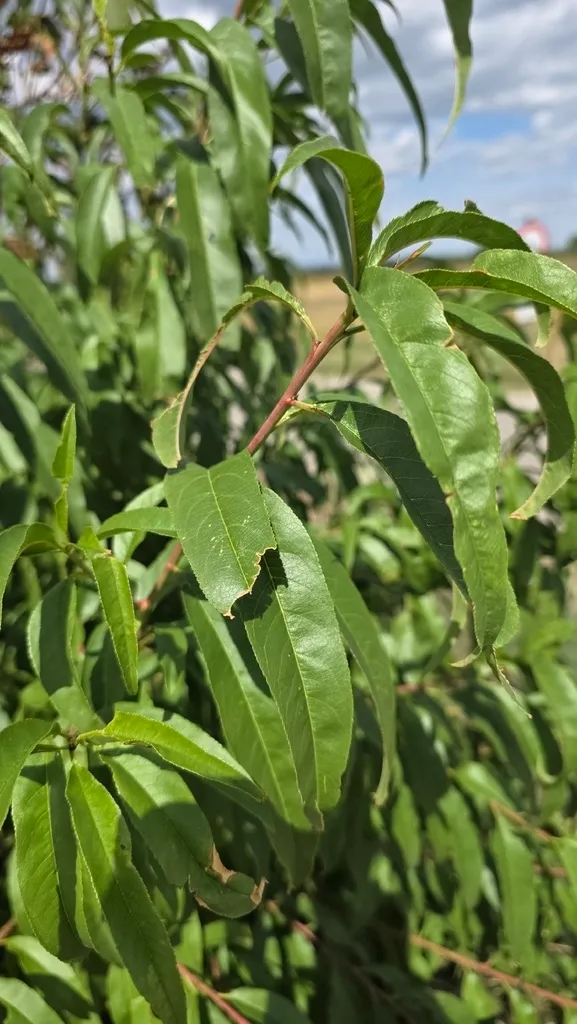

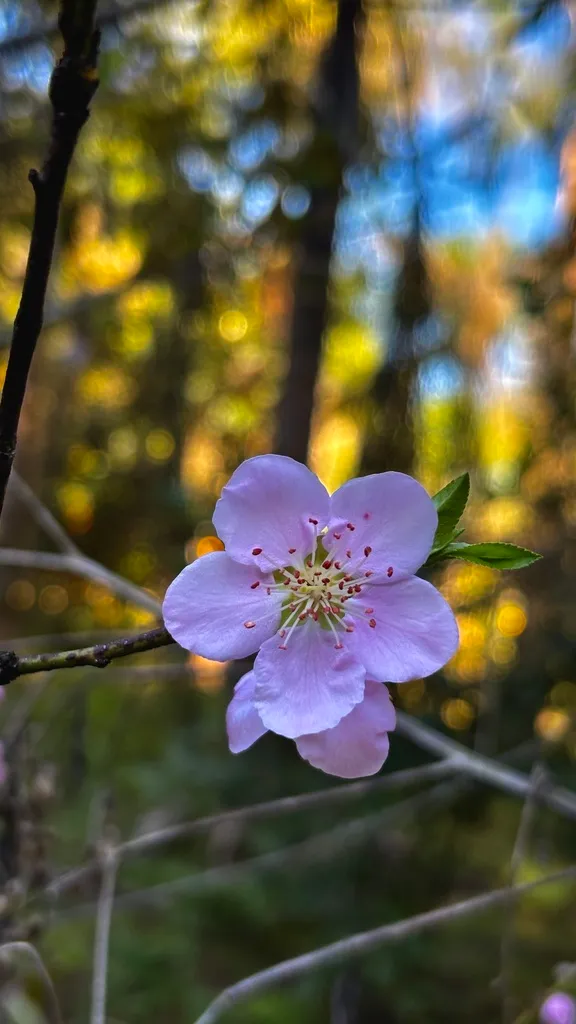
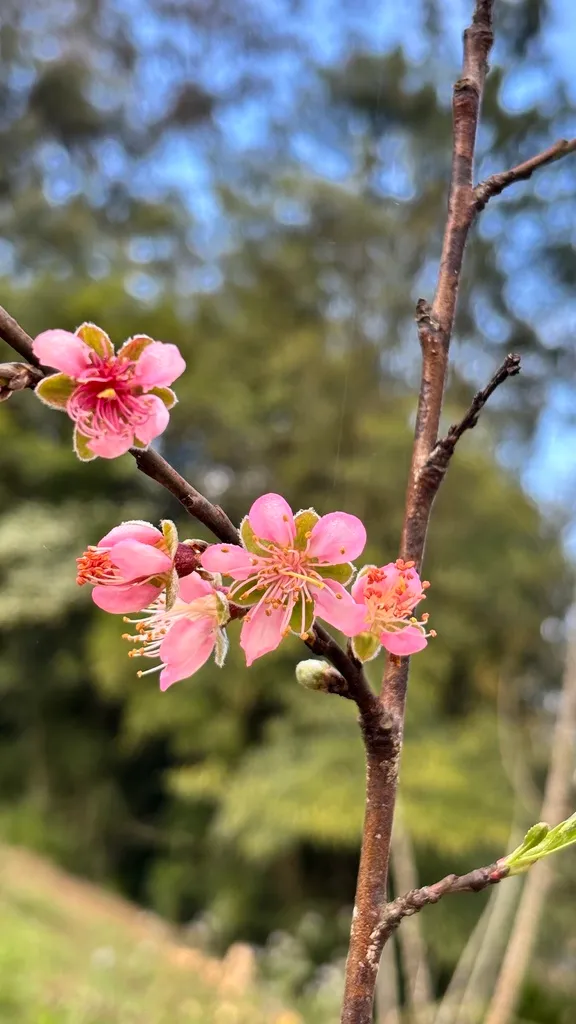
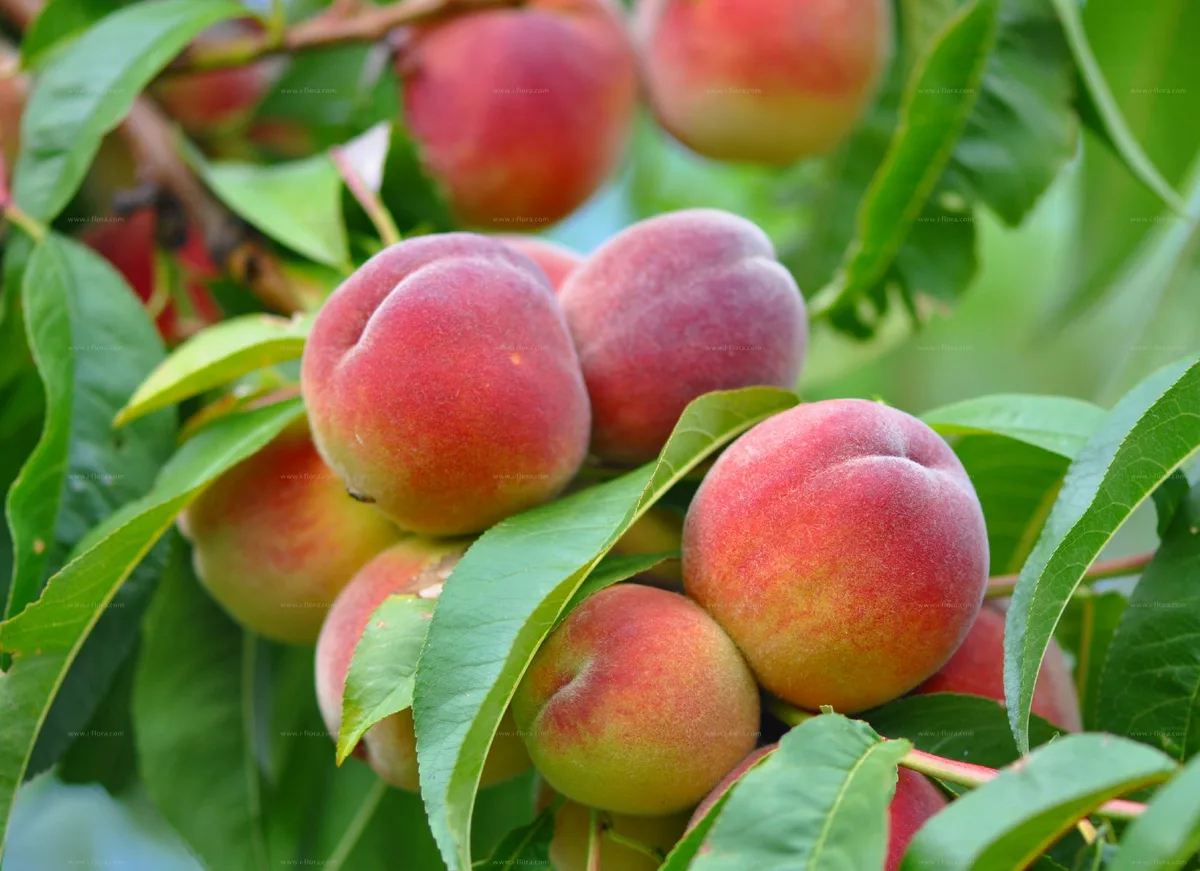
Distribution of peach
Distribution map
Information to be completed
Information to be completed
Culture
Information to be completed
Toxicity
Information to be completed
Quick identification of peach
Information to be completed
peach care guide
- Deep watering during dry spells, allowing slight surface drying between soakings
- Watering
- Full sun
- Sunlight
- 15 – 25 °C
- Ideal temperature

Watering
Deep watering during dry spells, allowing slight surface drying between soakings
Fertilizing
 Fertilizing
Balanced shrub or tree feed once each early spring
Pruning
 Pruning
Little pruning is needed. Remove diseased, damaged, crowded or crossing shoots and unwanted growth. Timing depends on the plant: generally late winter or early spring; plants prone to bleeding and deciduous magnolias need different timing, and deciduous azaleas and lilacs are pruned after flowering.
Propagation
 Propagation
Propagate by seed sown in containers outdoors in autumn; or by softwood cuttings, with bottom heat, in early summer. Peach cultivars are propagated by grafting
Growing
 Growing
Grow in a moist, but well-drained soil in full sun. Protect flowers from frosts with horticultural fleece. Best grown fan-trained, although in the south of England can be grown free-standing bush. See How to grow: Peaches for further cultivation details
People also ask
Information to be completed
Common pests and diseases
Diseases
High Risk Host for Xylella fastidiosa. May be susceptible to bacterial canker, blossom wilt, brown rot, honey fungus, peach leaf curl and silver leaf.
Pests
May be susceptible to aphids and caterpillars
Explore the plant health library →




