



Planting and Growing Magnolia sargentiana var. robusta 'Blood Moon'

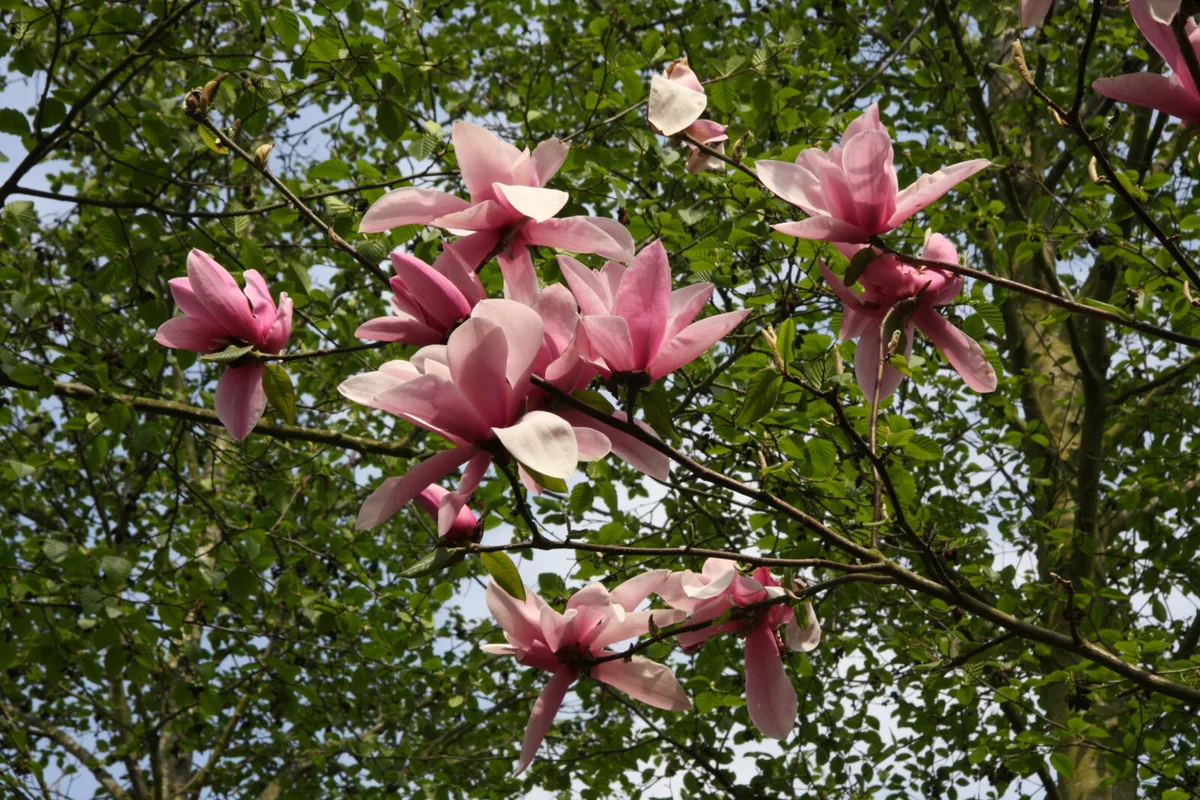
| Care difficulty | 3 / 5 |
|---|---|
| Watering schedule | Uniform soil moisture required, mulch base to prevent summer drying |
| Sunlight requirements | Full sun · Partial shade |
| Ideal temperature | Information to be completed |
| Soil type | Clay · Loam · Sand |
| Soil pH | Acid · Neutral |
| Soil moisture | Moist but well drained · Well drained |
| Fertilizing | Magnolia slow-release tree feed once annually pre-spring bud break |
| Toxicity | Information to be completed |
How to Water Magnolia sargentiana var. robusta 'Blood Moon'?
Uniform soil moisture required, mulch base to prevent summer drying
Learn more →What Are the Sunlight Requirements for Magnolia sargentiana var. robusta 'Blood Moon'?
Full sun · Partial shade
Learn more →What Soil Is Best for Magnolia sargentiana var. robusta 'Blood Moon'?
- Soil type
- Clay · Loam · Sand
- Soil pH
- Acid · Neutral
What Are the Moisture Requirements for Magnolia sargentiana var. robusta 'Blood Moon'?
Moist but well drained · Well drained
Learn more →How to Fertilize Magnolia sargentiana var. robusta 'Blood Moon'?

Magnolia slow-release tree feed once annually pre-spring bud break
Learn more →How to Prune Magnolia sargentiana var. robusta 'Blood Moon'?

Minimal pruning required, see magnolia pruning. Deciduous magnolias should only be pruned between midsummer and early autumn
Learn more →How to Propagate Magnolia sargentiana var. robusta 'Blood Moon'?

Propagate by softwood cuttings in early summer or by semi-ripe cuttings in late summer
Learn more →How to Plant Magnolia sargentiana var. robusta 'Blood Moon'?
Thrives in moist but well-drained, neutral to acid soil, in full sun or part shade with shelter from cold winds. Late frosts may damage flower buds. See magnolia cultivation for more advice
Learn more →Common Pests & Diseases

Diseases
May be susceptible to coral spot, phytophthora, grey moulds, honey fungus, virus diseases or fungal leaf spot
Pests
May be susceptible to scale insects and capsid bug
Explore the plant health library →