



Planting and Growing hairy-leaved mock orange

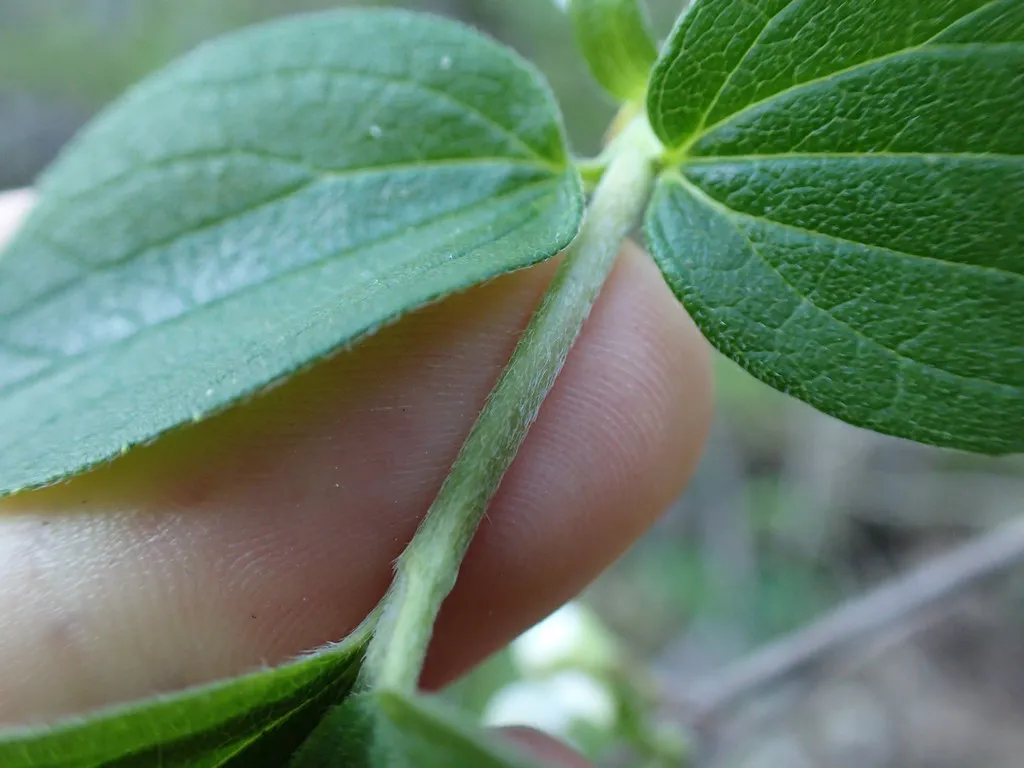
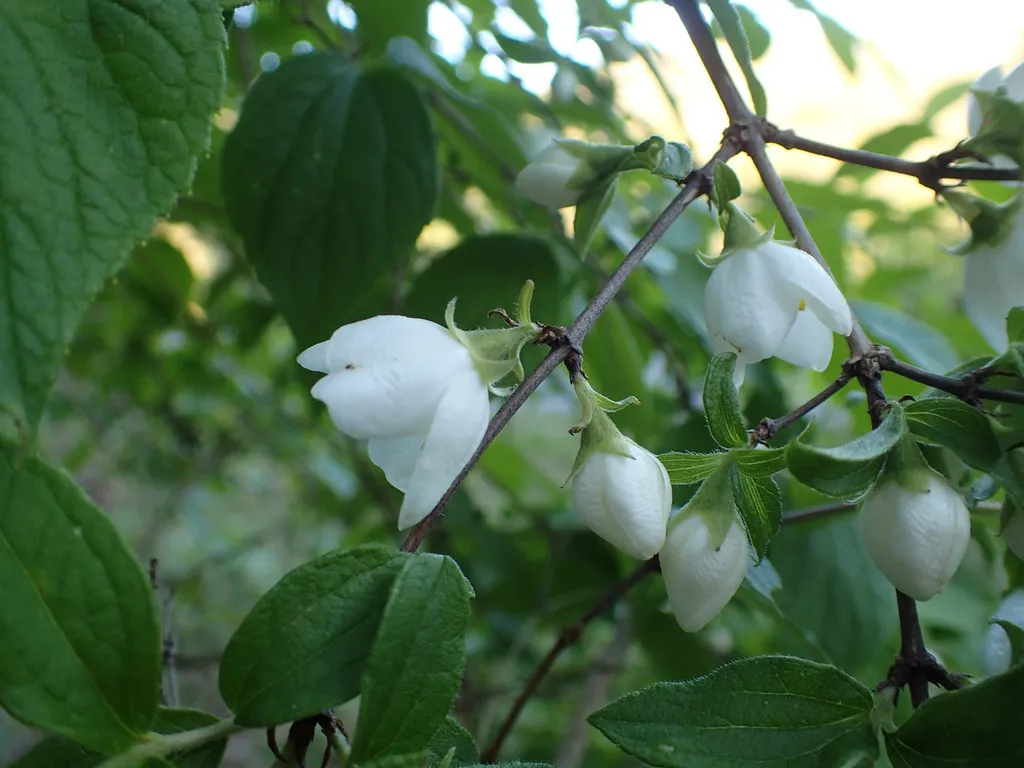
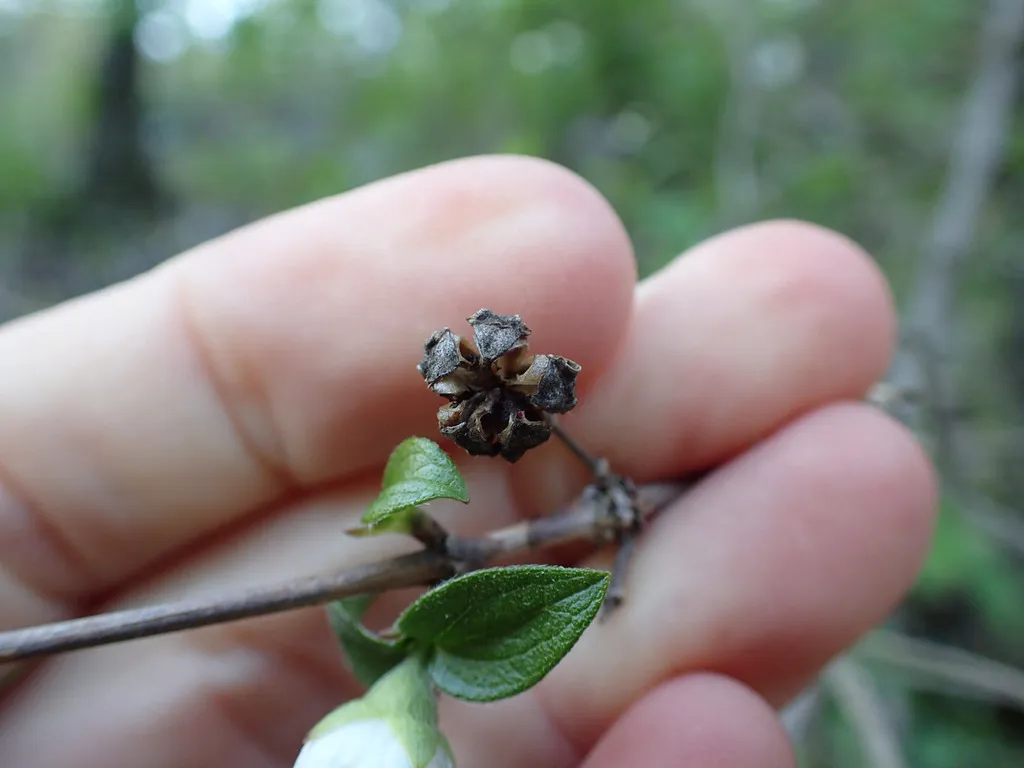
| Care difficulty | 2 / 5 |
|---|---|
| Watering schedule | Deep watering during dry spells, allowing slight surface drying between soakings |
| Sunlight requirements | Full sun · Partial shade |
| Ideal temperature | Information to be completed |
| Soil type | Chalk · Clay · Loam · Sand |
| Soil pH | Acid · Alkaline · Neutral |
| Soil moisture | Moist but well drained · Well drained |
| Fertilizing | Balanced shrub or tree feed once each early spring |
| Toxicity | Information to be completed |
How to Water hairy-leaved mock orange?
Deep watering during dry spells, allowing slight surface drying between soakings
Learn more →What Are the Sunlight Requirements for hairy-leaved mock orange?
Full sun · Partial shade
Learn more →What Soil Is Best for hairy-leaved mock orange?
- Soil type
- Chalk · Clay · Loam · Sand
- Soil pH
- Acid · Alkaline · Neutral
What Are the Moisture Requirements for hairy-leaved mock orange?
Moist but well drained · Well drained
Learn more →How to Fertilize hairy-leaved mock orange?

Balanced shrub or tree feed once each early spring
Learn more →How to Prune hairy-leaved mock orange?

Cut flowered growth back to strong young shoots below, removing up to a fifth of old stems near the base each year. Prune immediately after flowering.
Learn more →How to Propagate hairy-leaved mock orange?

Propagate softwood or hardwood cuttings
Learn more →How to Plant hairy-leaved mock orange?
Grow in moist, well drained soil in sun to partial shade. Plant bare root plants in winter when the ground is not frozen or waterlogged. Incorporate lots of well-rotted manure or garden compost to improve the soil and water in well. Mulch in spring
Learn more →Common Pests & Diseases

Diseases
May be susceptible to honey fungus (rarely) and powdery mildews
Pests
May be susceptible to aphids
Explore the plant health library →