



Planting and Growing pink-spotted hellebore

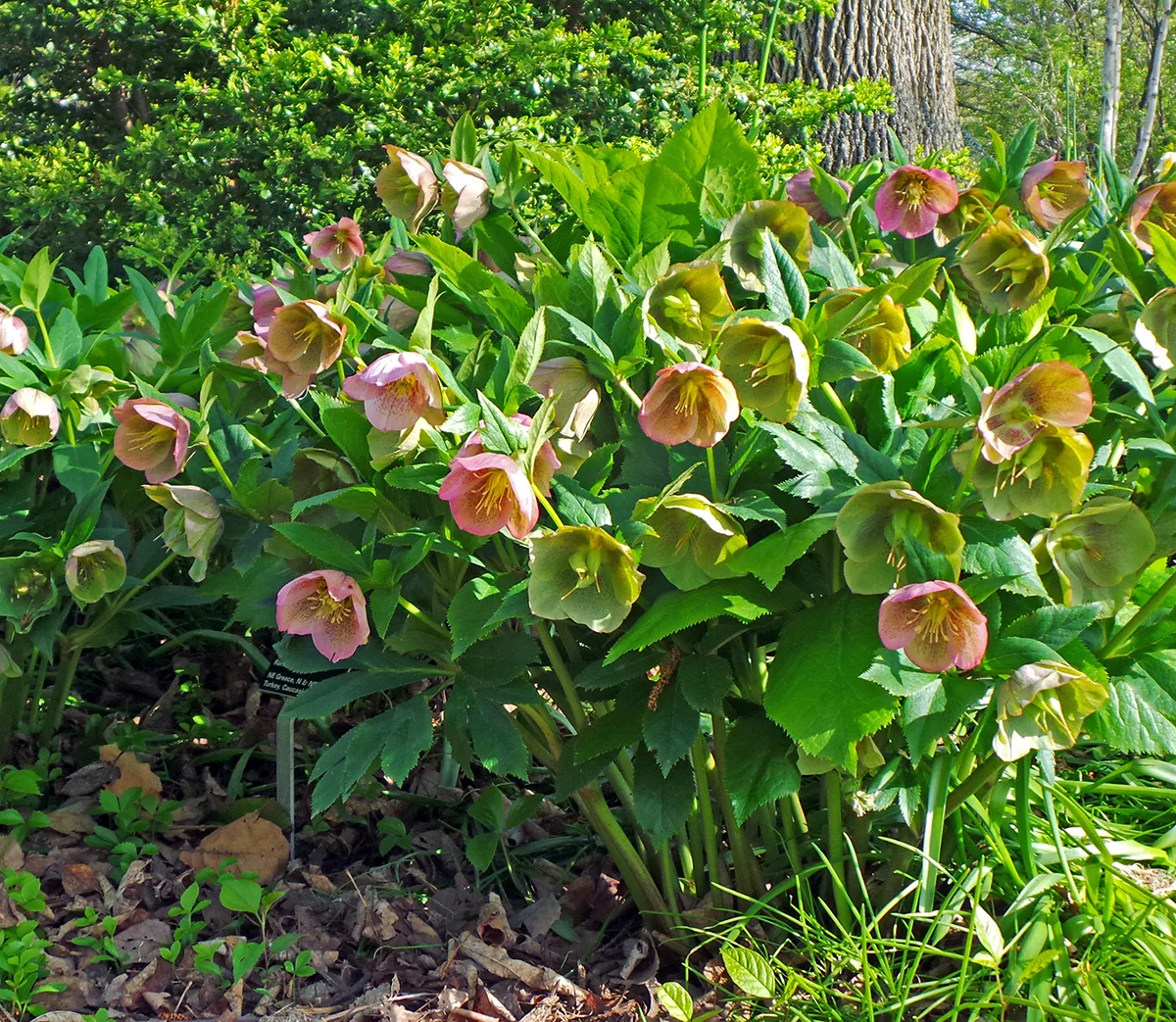
| Care difficulty | 2 / 5 |
|---|---|
| Watering schedule | Moderate regular watering, avoid prolonged drought and stagnant waterlogging |
| Sunlight requirements | Full sun · Partial shade |
| Ideal temperature | Information to be completed |
| Soil type | Chalk · Clay · Loam |
| Soil pH | Alkaline · Neutral |
| Soil moisture | Moist but well drained |
| Fertilizing | Balanced perennial feed every four weeks spring through summer growth |
| Toxicity | Harmful if eaten, skin irritant. Wear gloves and other protective equipment when handling] |
How to Water pink-spotted hellebore?
Moderate regular watering, avoid prolonged drought and stagnant waterlogging
Learn more →What Are the Sunlight Requirements for pink-spotted hellebore?
Full sun · Partial shade
Learn more →What Soil Is Best for pink-spotted hellebore?
- Soil type
- Chalk · Clay · Loam
- Soil pH
- Alkaline · Neutral
What Are the Moisture Requirements for pink-spotted hellebore?
Moist but well drained
Learn more →How to Fertilize pink-spotted hellebore?

Balanced perennial feed every four weeks spring through summer growth
Learn more →How to Prune pink-spotted hellebore?

Remove old leaves to help prevent hellebore leaf spot, and deadhead by removing old faded flower stems
Learn more →How to Propagate pink-spotted hellebore?

Propagate by division of large clumps in early spring, watering well until they are established
Learn more →How to Plant pink-spotted hellebore?
Will tolerate a wide range of conditions, but does best in fertile, moisture-retentive, humus-rich but well-drained soil which is preferably heavy, and neutral or alkaline, in a position with shelter from strong, cold winds and in dappled shade, mulched every autumn with leaf mould, chipped bark or other organic matter; for more advice, see hellebore cultivation
Learn more →Common Pests & Diseases

Diseases
May be susceptible to hellebore black death, hellebore leaf spot, downy mildews, grey moulds (botrytis), smuts, and virus diseases
Pests
May be susceptible to hellebore aphid, hellebore leaf miner and snails
Explore the plant health library →The Toxicity of pink-spotted hellebore
Harmful if eaten, skin irritant. Wear gloves and other protective equipment when handling]