



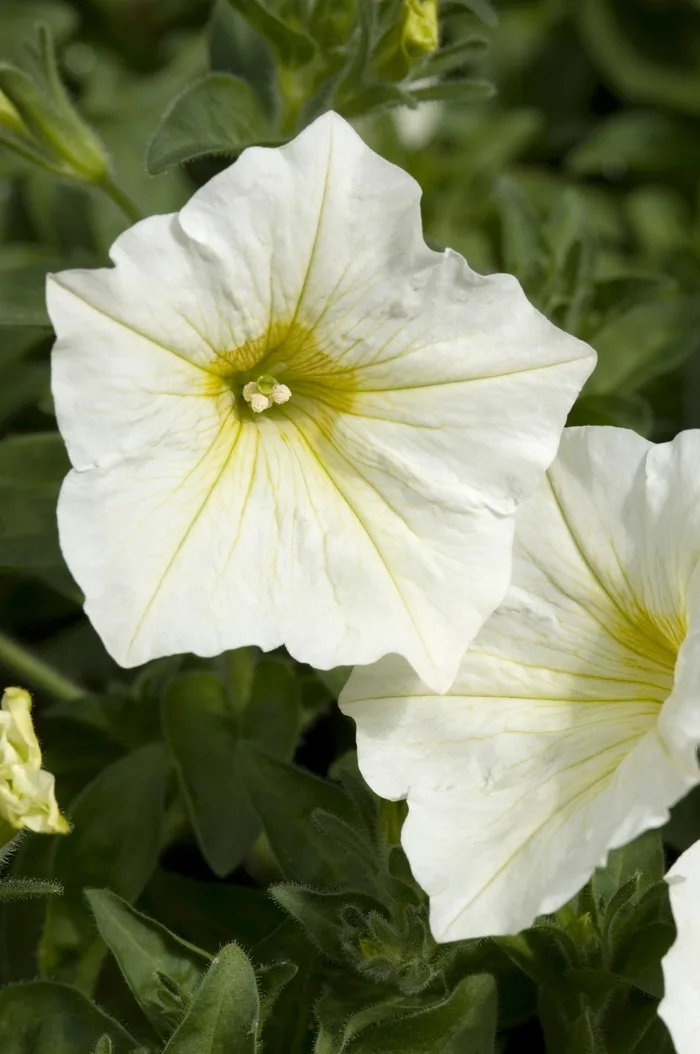
Planting and Growing petunia [Cascadias Yellow Eye]

| Care difficulty | 2 / 5 |
|---|---|
| Watering schedule | Keep compost lightly moist, never fully drying out while blooming |
| Sunlight requirements | Full sun |
| Ideal temperature | Information to be completed |
| Soil type | Chalk · Loam · Sand |
| Soil pH | Alkaline · Neutral |
| Soil moisture | Well drained |
| Fertilizing | Weak flowering feed every two to three weeks in active bloom |
| Toxicity | Information to be completed |
How to Water petunia [Cascadias Yellow Eye]?
Keep compost lightly moist, never fully drying out while blooming
Learn more →What Are the Sunlight Requirements for petunia [Cascadias Yellow Eye]?
Full sun
Learn more →What Soil Is Best for petunia [Cascadias Yellow Eye]?
- Soil type
- Chalk · Loam · Sand
- Soil pH
- Alkaline · Neutral
What Are the Moisture Requirements for petunia [Cascadias Yellow Eye]?
Well drained
Learn more →How to Fertilize petunia [Cascadias Yellow Eye]?

Weak flowering feed every two to three weeks in active bloom
Learn more →How to Prune petunia [Cascadias Yellow Eye]?

Deadhead as needed
Learn more →How to Propagate petunia [Cascadias Yellow Eye]?

Propagate by seed sown at 13-18°C in autumn or mid-spring
Learn more →How to Plant petunia [Cascadias Yellow Eye]?
Grow in loam-based potting compost under glass in full light. Water freely when in growth and apply a high potassium fertiliser every two weeks. Outdoors grow in light, well-drained soil in full sun with shelter from wind. Deadheading will prolong flowering
Learn more →Common Pests & Diseases

Diseases
Generally resistant to mildew. May be troubled by fungal foot rot and a virus, including alfalfa mosaic virus, tomato spotted wilt, tobacco mosaic virus and potato viruses
Pests
Aphids and slugs may be troublesome
Explore the plant health library →