



Planting and Growing hellebore 'Harvington Shades of the Night'

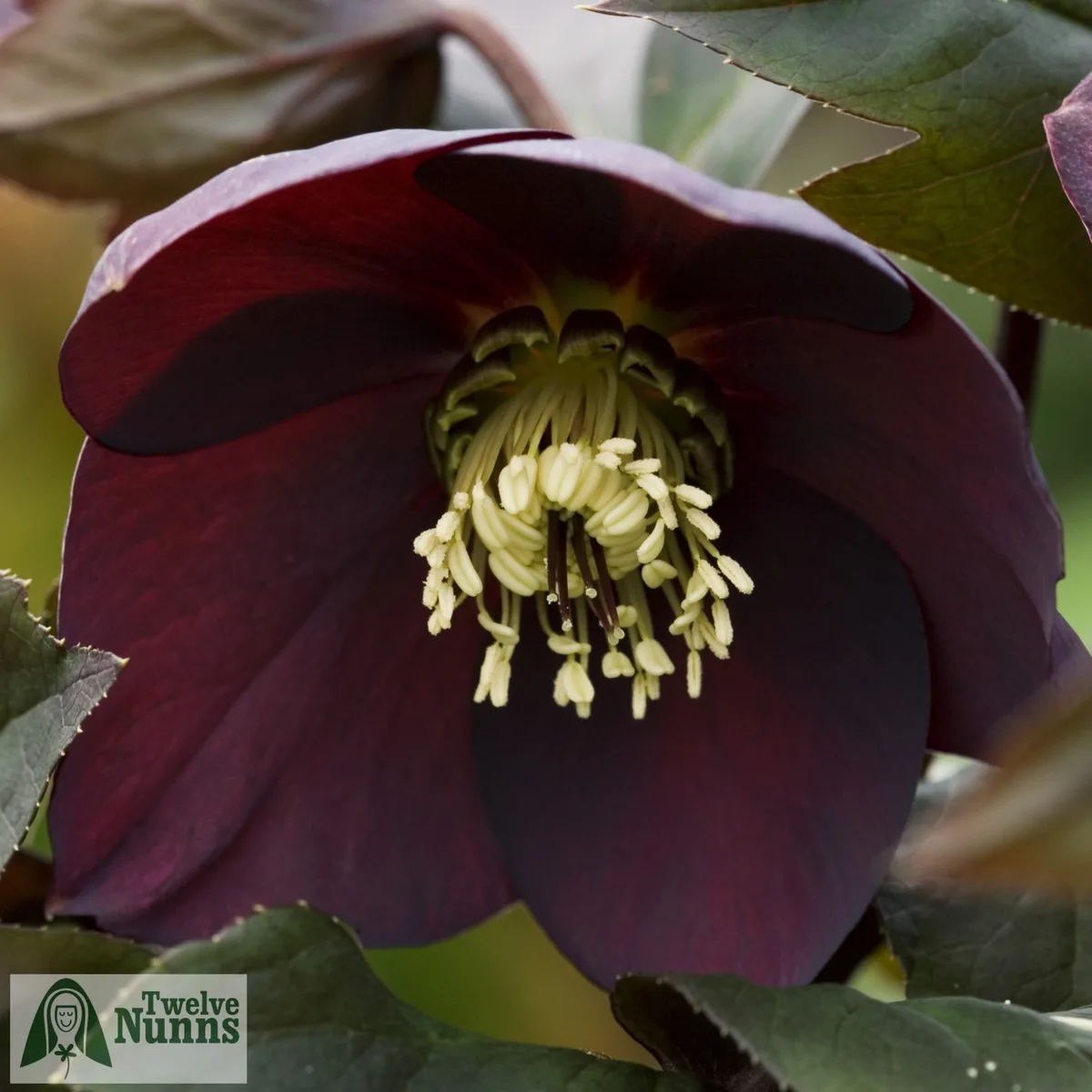
| Care difficulty | 2 / 5 |
|---|---|
| Watering schedule | Light steady soil dampness, avoid flooding leaf rosette base |
| Sunlight requirements | Full sun · Partial shade |
| Ideal temperature | Information to be completed |
| Soil type | Chalk · Clay · Loam |
| Soil pH | Alkaline · Neutral |
| Soil moisture | Moist but well drained |
| Fertilizing | Mild balanced flower feed once only each early spring annually |
| Toxicity | Harmful if eaten, skin irritant. Wear gloves and other protective equipment when handling] |
How to Water hellebore 'Harvington Shades of the Night'?
Light steady soil dampness, avoid flooding leaf rosette base
Learn more →What Are the Sunlight Requirements for hellebore 'Harvington Shades of the Night'?
Full sun · Partial shade
Learn more →What Soil Is Best for hellebore 'Harvington Shades of the Night'?
- Soil type
- Chalk · Clay · Loam
- Soil pH
- Alkaline · Neutral
What Are the Moisture Requirements for hellebore 'Harvington Shades of the Night'?
Moist but well drained
Learn more →How to Fertilize hellebore 'Harvington Shades of the Night'?

Mild balanced flower feed once only each early spring annually
Learn more →How to Prune hellebore 'Harvington Shades of the Night'?

Remove faded or damaged foliage as the flowers appear
Learn more →How to Propagate hellebore 'Harvington Shades of the Night'?

Propagate by division in spring after flowering or in early autumn
Learn more →How to Plant hellebore 'Harvington Shades of the Night'?
Thrives in neutral to alkaline soils that are moist, fertile and humus-rich. Partial shade is ideal but can tolerate full sun. Provide shelter from strong, cold winds. Mulch annually in autumn. See Hellebore cultivation for more details
Learn more →Common Pests & Diseases

Diseases
May be susceptible to hellebore leaf spot and hellebore black death
Pests
May be susceptible to hellebore aphid, hellebore leaf miner and snails
Explore the plant health library →The Toxicity of hellebore 'Harvington Shades of the Night'
Harmful if eaten, skin irritant. Wear gloves and other protective equipment when handling]