



Planting and Growing hellebore Marion White Group

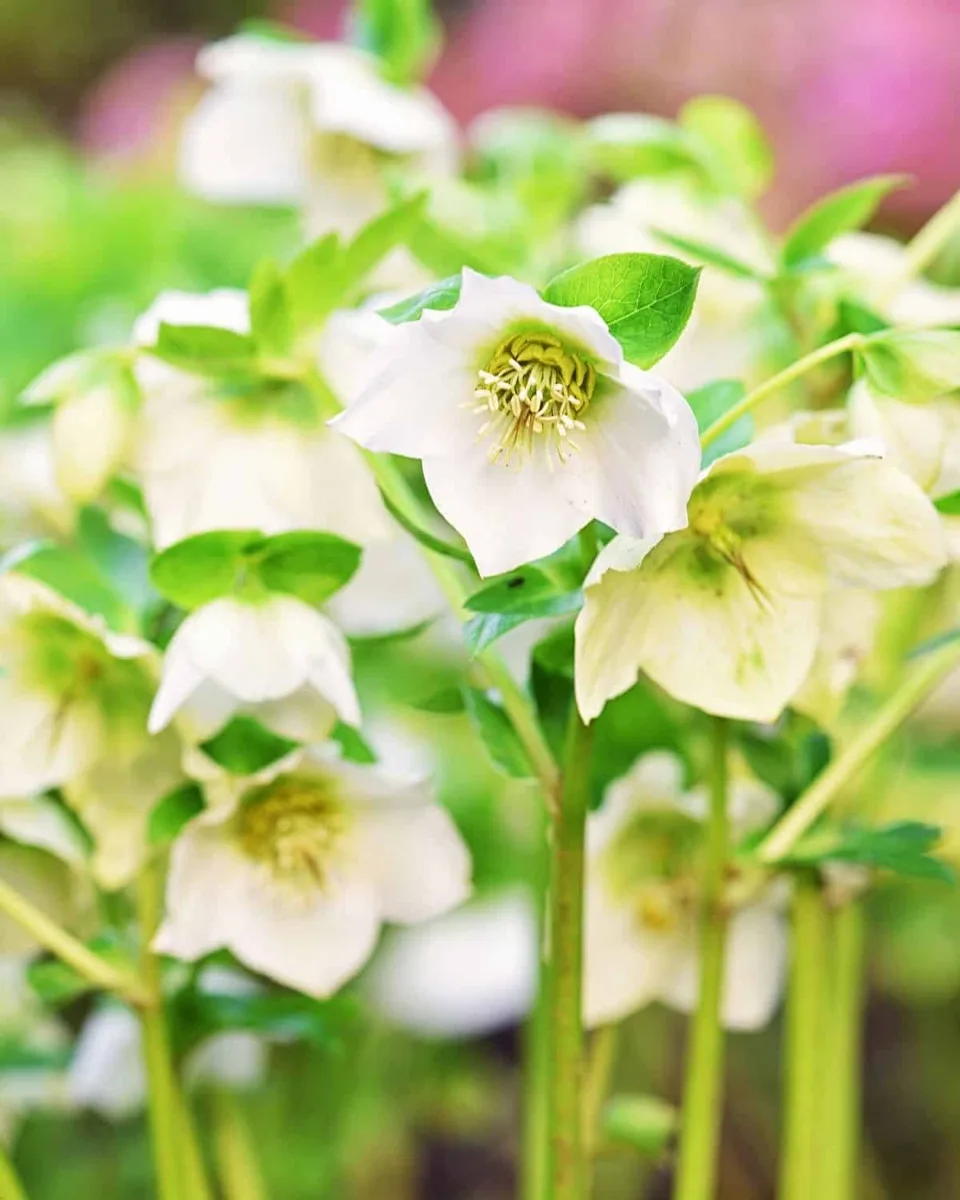
| Care difficulty | 2 / 5 |
|---|---|
| Watering schedule | Keep soil evenly moist, richer moisture in spring |
| Sunlight requirements | Full sun · Partial shade |
| Ideal temperature | Information to be completed |
| Soil type | Chalk · Clay · Loam |
| Soil pH | Alkaline · Neutral |
| Soil moisture | Moist but well drained |
| Fertilizing | Mulch or balanced feed in late winter to spring |
| Toxicity | Harmful if eaten, skin irritant. Wear gloves and other protective equipment when handling] |
How to Water hellebore Marion White Group?
Keep soil evenly moist, richer moisture in spring
Learn more →What Are the Sunlight Requirements for hellebore Marion White Group?
Full sun · Partial shade
Learn more →What Soil Is Best for hellebore Marion White Group?
- Soil type
- Chalk · Clay · Loam
- Soil pH
- Alkaline · Neutral
What Are the Moisture Requirements for hellebore Marion White Group?
Moist but well drained
Learn more →How to Fertilize hellebore Marion White Group?

Mulch or balanced feed in late winter to spring
Learn more →How to Prune hellebore Marion White Group?

Remove old leaves to help prevent hellebore leaf spot, and deadhead by removing old faded flower stems
Learn more →How to Propagate hellebore Marion White Group?

Propagate by division of large clumps in early spring, watering well until they are established
Learn more →How to Plant hellebore Marion White Group?
Will tolerate a wide range of conditions, but does best in fertile, moisture-retentive, humus-rich but well-drained soil which is preferably heavy, and neutral or alkaline, in a position with shelter from strong, cold winds and in dappled shade, mulched every autumn with leaf mould, chipped bark or other organic matter; for more advice, see hellebore cultivation
Learn more →Common Pests & Diseases

Diseases
May be susceptible to hellebore leaf spot and hellebore black death
Pests
May be susceptible to hellebore aphid, hellebore leaf miner and snails
Explore the plant health library →The Toxicity of hellebore Marion White Group
Harmful if eaten, skin irritant. Wear gloves and other protective equipment when handling]