



Planting and Growing soap aloe

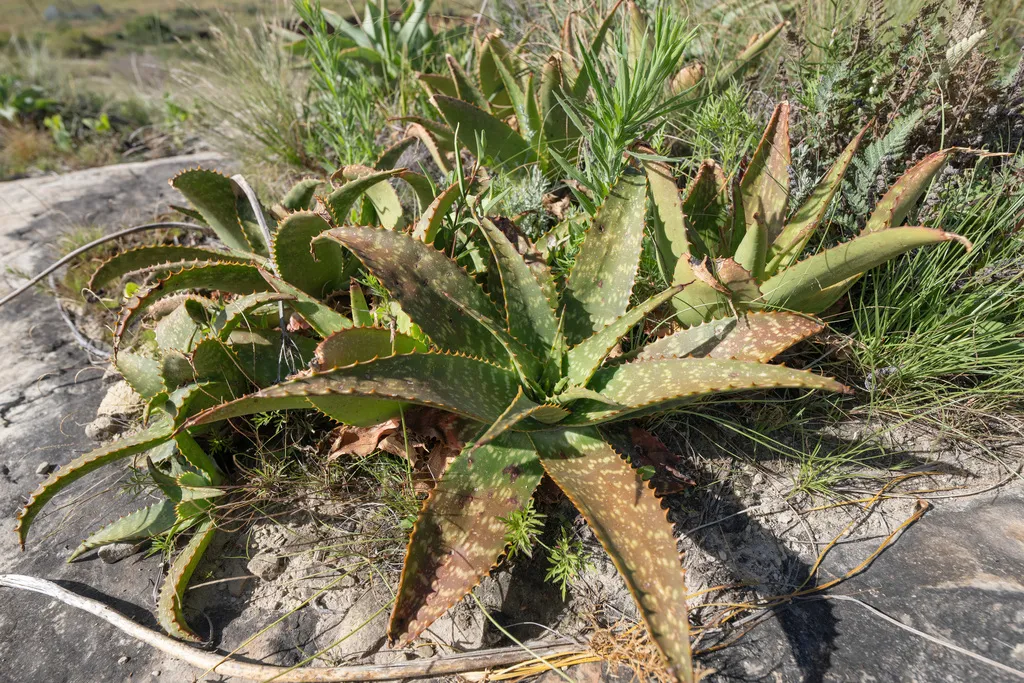
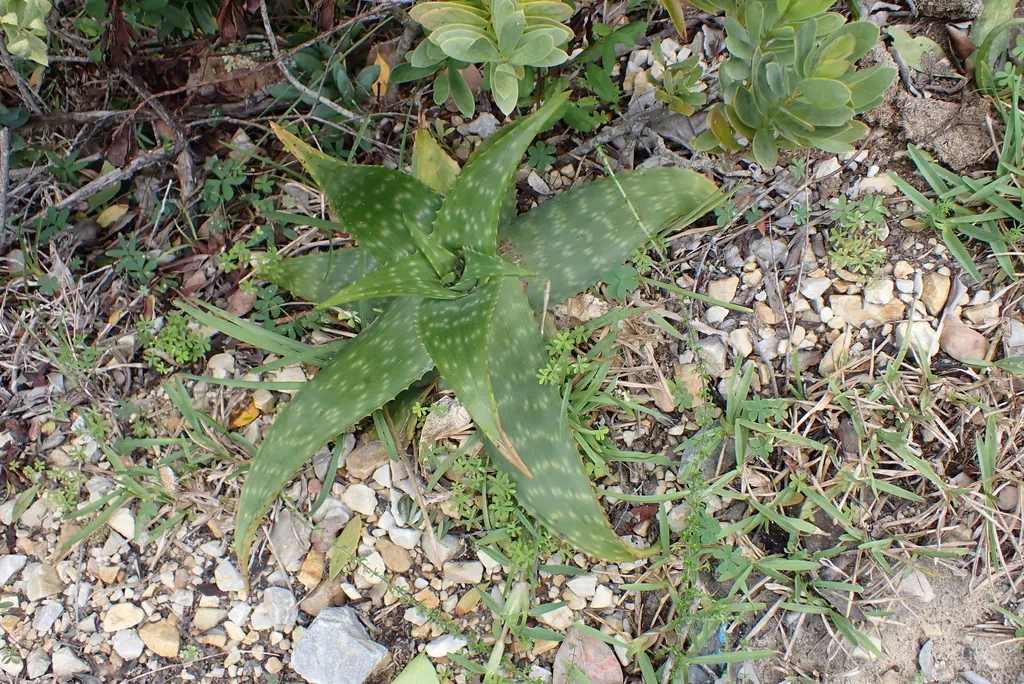
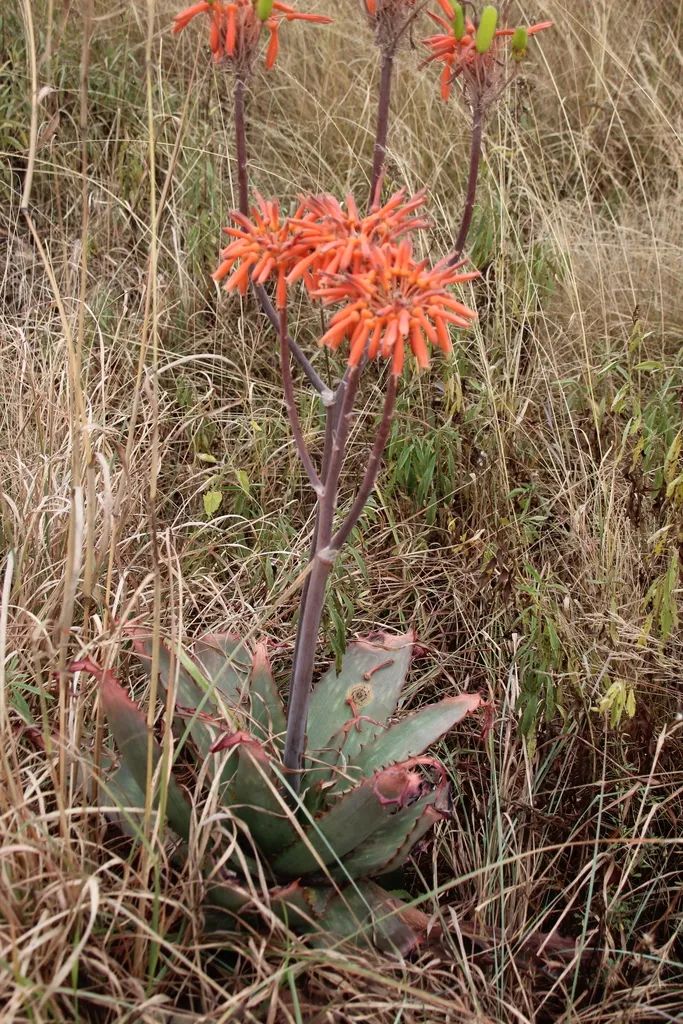
| Care difficulty | 1 / 5 |
|---|---|
| Watering schedule | Let gritty substrate dry completely before giving another full soaking |
| Sunlight requirements | Full sun |
| Ideal temperature | 18 – 28 °C |
| Soil type | Chalk · Loam · Sand |
| Soil pH | Acid · Alkaline · Neutral |
| Soil moisture | Well drained |
| Fertilizing | Ultra-diluted low-nitrogen succulent feed monthly warm summer only |
| Toxicity | Harmful if eaten. Wear gloves and other protective equipment when handling |
How to Water soap aloe?
Adapted to the arid conditions of its native habitat, soap aloe thrives with minimal water input, exhibiting strong drought tolerance. This succulent requires watering only once every three weeks, aligning with its ability to store water in its fleshy leaves. In outdoor settings, soap aloe benefits from a well-draining soil that mimics its natural environment and should be protected from excessive rainfall to prevent root rot. As an evergreen plant, soap aloe maintains hydration throughout the year, making it a low-maintenance choice for xeriscaping or dry climate gardens.
Learn more →What Are the Sunlight Requirements for soap aloe?
Soap aloe flourishes best under full sunlight, where it receives light of high intensity for most of the day. This exposure is critical for promoting vigorous growth, optimal health, and an abundant flowering period. While soap aloe has a fair tolerance for partial sun, which may include some shade during the day, extended periods away from full light can lead to suboptimal growth and reduced blooming. Soap aloe exhibits resilience through leaf adaptations that minimize water loss under intense light. For outdoor cultivation, soap aloe should be positioned in spots that receive ample sunlight, whereas, indoors, a location near a window with direct sunlight is preferable to mimic its natural habitat for ideal results.
Learn more →What Is the Ideal Temperature Range for soap aloe?

Soap aloe is known for its remarkable resilience to temperature variations. It can withstand cold down to -5℃ (23℉) and heat up to 43℃ (109℉). This adaptability allows soap aloe to thrive in diverse climates, although prolonged exposure to intense cold or heat may stress the plant. In extreme cold, soap aloe may exhibit signs like brown, mushy leaves, while overheating can cause yellowing or wilting. To protect soap aloe, insulate it during freezing temperatures and provide shade in scorching heat. This robust temperature tolerance makes soap aloe suitable for both indoor and outdoor environments, provided protective measures are taken during severe weather conditions.
Learn more →What Soil Is Best for soap aloe?
Soap aloe thrives in well-draining soil to prevent root rot. Purchase a succulent & cactus mix or combine equal parts potting soil, coarse sand, and perlite for a custom mix. Ensure drainage by adding gravel at the pot's base. Fertilize sparingly with a balanced, water-soluble fertilizer during active growth periods.
- Soil type
- Chalk · Loam · Sand
- Soil pH
- Acid · Alkaline · Neutral
What Are the Moisture Requirements for soap aloe?
Well drained
Learn more →How to Fertilize soap aloe?

For optimal health, soap aloe benefits from succulent and cacti fertilizer, which fosters robust growth and vibrant blooms. Administer feed quarterly at half-strength during the growing season. Refrain from fertilizing in winter to align with soap aloe's dormancy. Use caution to avoid over-fertilization which can harm soap aloe's root system. Seasonal adjustments ensure soap aloe receives appropriate nutrients, enhancing its vitality and floral display.
Learn more →How to Prune soap aloe?

Soap aloe does not require pruning in the general sense; you need only remove spent flower stalks or dead leaves. Leaves that have turned orange or brown should be trimmed to deliver more nutrients to green plant parts, keeping the plant healthy. Smaller and medium-sized plants can be pruned with a knife, while larger plants require pruning shears. Remove any spent flower stalks or plant material, as well as parts of leaves that have changed their color or started drying.
Learn more →How to Propagate soap aloe?

Soap aloe is a resilient succulent that thrives with minimal care. To propagate, gently remove offsets that form around the base, ensuring roots are intact. Plant these offsets in well-draining soil, allowing the cut area to callous for a few days before potting to prevent rot. Maintain consistent moisture without overwatering, and provide bright, indirect light to encourage steady growth.
Learn more →How to Transplant soap aloe?
For soap aloe, the season of rejuvenation - post-winter, pre-summer - offers the best timing, allowing roots to establish in moderate conditions. Choose a sunny spot with good drainage to ensure soap aloe's prosperity. Gentle care during this period rewards with robust growth.
Learn more →How to Care for soap aloe in Winter?

Soap aloe hails from South Africa's mild climate, built to tolerate cooler conditions, but not severe winters. Naturally, this species enters dormancy during colder months to conserve energy. For cultivation, consider relocating soap aloe indoors or providing frost protection. Ensure soap aloe has well-drained soil to avoid root rot from improper winter watering. With right care, soap aloe successfully overwinters to grace your garden for another season.
Learn more →How to Plant soap aloe?
Indoors-potted: In the cozy confines of your home, soap aloe thrives with bright ambient light and minimal fuss, making it a perfect green companion for forgetful waterers. Outdoors-potted: On your patio, soap aloe adds sculptural beauty without demanding much, but ensure pots have excellent drainage to prevent root rot. Outdoors-in the ground: Soap aloe is hardy outdoors, but in cold regions, it prefers the warm embrace of the soil, so consider providing winter protection.
Learn more →How to Repot soap aloe?
Repot your soap aloe every 2 years, optimizing for its spring growth surge. This succulent forms a rosette and reaches about a foot in size, preferring well-draining soil. When repotting, choose a container one size larger to accommodate root growth. Post-repot, position soap aloe in bright, indirect sunlight and water sparingly until established, as soap aloe is drought-tolerant but sensitive to overwatering.
Learn more →How to Harvest soap aloe?

Information to be completed
Learn more →Common Pests & Diseases

Diseases
Generally disease-free
Pests
May be susceptible to mealybugs, red spider mite and scale insects
Explore the plant health library →The Toxicity of soap aloe
Harmful if eaten. Wear gloves and other protective equipment when handling