



Planting and Growing Asplenium antiquum

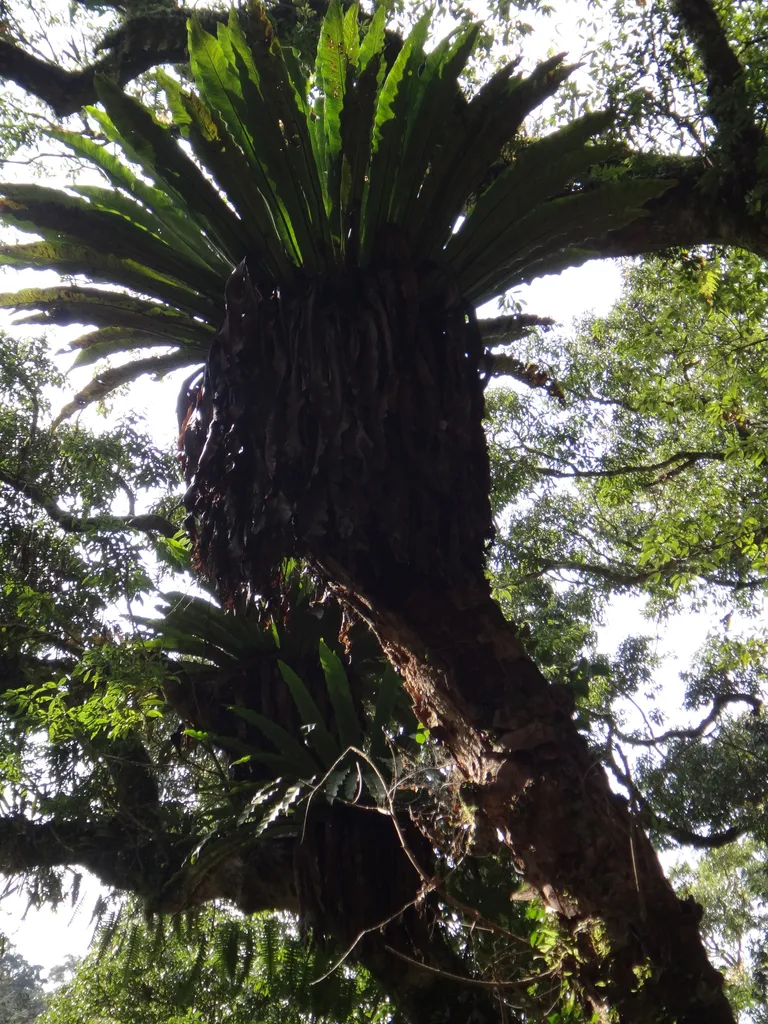
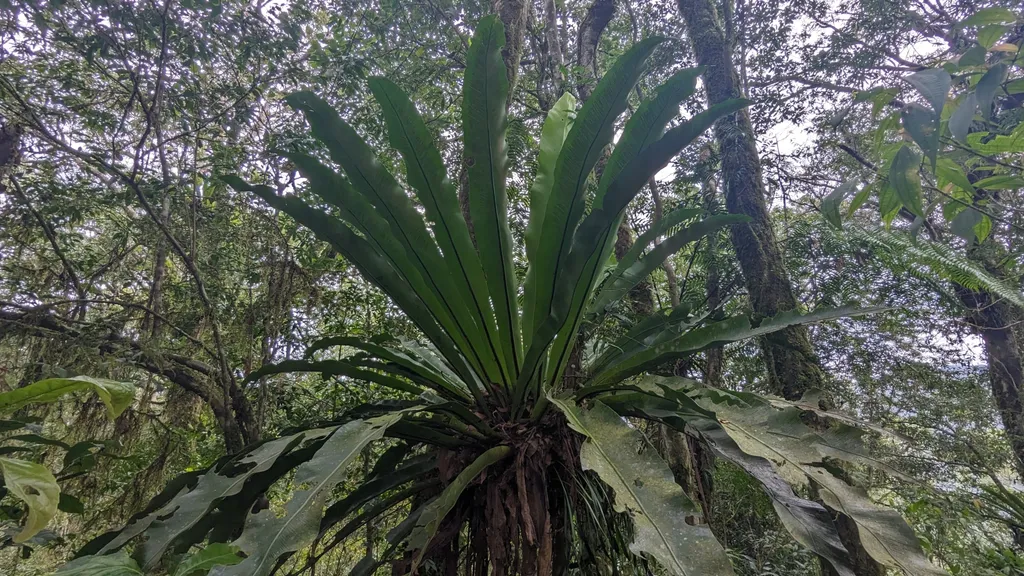
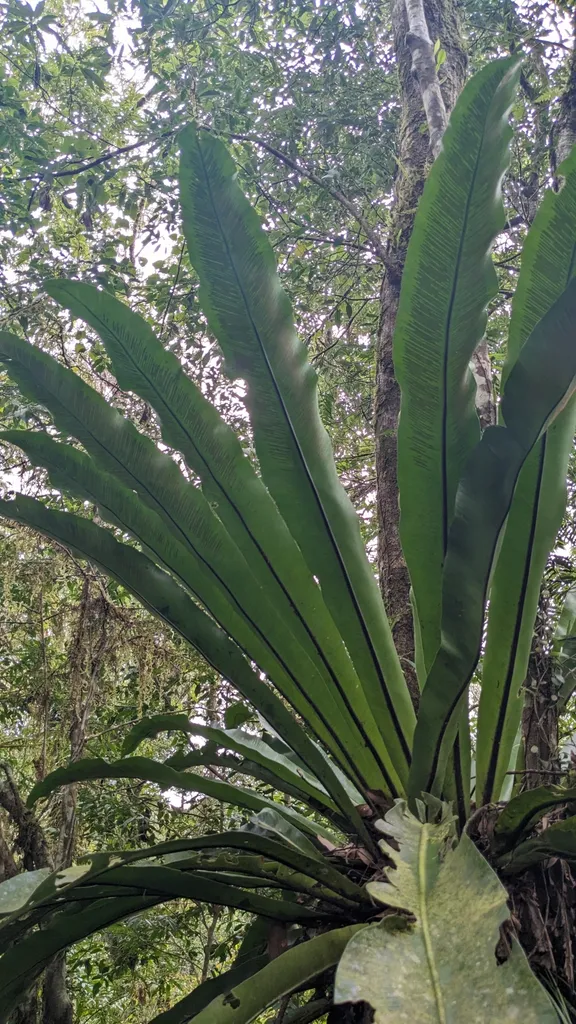
| Care difficulty | 3 / 5 |
|---|---|
| Watering schedule | Keep soil evenly moist with higher air humidity |
| Sunlight requirements | Partial shade |
| Ideal temperature | Information to be completed |
| Soil type | Loam · Sand |
| Soil pH | Acid · Neutral |
| Soil moisture | Moist but well drained |
| Fertilizing | Weak balanced feed during active frond growth |
| Toxicity | Information to be completed |
How to Water Asplenium antiquum?
Keep soil evenly moist with higher air humidity
Learn more →What Are the Sunlight Requirements for Asplenium antiquum?
Partial shade
Learn more →What Is the Ideal Temperature Range for Asplenium antiquum?

Information to be completed
Learn more →What Soil Is Best for Asplenium antiquum?
- Soil type
- Loam · Sand
- Soil pH
- Acid · Neutral
What Are the Moisture Requirements for Asplenium antiquum?
Moist but well drained
Learn more →How to Fertilize Asplenium antiquum?

Weak balanced feed during active frond growth
Learn more →How to Prune Asplenium antiquum?

No pruning required
Learn more →How to Propagate Asplenium antiquum?

Propagate by spores
Learn more →How to Transplant Asplenium antiquum?
Information to be completed
Learn more →How to Care for Asplenium antiquum in Winter?

Information to be completed
Learn more →How to Plant Asplenium antiquum?
Prefers indirect sunlight, occasional exposure to natural indirect light or artificial light, or shade. Placed outdoors leaves scorch easily. In nature, epipytic on trees or lithophytic on rocks with limited access to soil. Grow in well-drained equal part loam, leafmould/ peat substitute and perlite. Prefers high humidity. Provide regular watering at the outer soil margins rather than directly onto the plant to keep moist but not wet, and avoid rot
Learn more →How to Repot Asplenium antiquum?
Information to be completed
Learn more →How to Harvest Asplenium antiquum?

Information to be completed
Learn more →Common Pests & Diseases

Diseases
May be susceptible to rust
Pests
May be susceptible to scale, leaf and bud eelworms
Explore the plant health library →The Toxicity of Asplenium antiquum
Information to be completed