



Planting and Growing cabbage palm 'Amabilis'

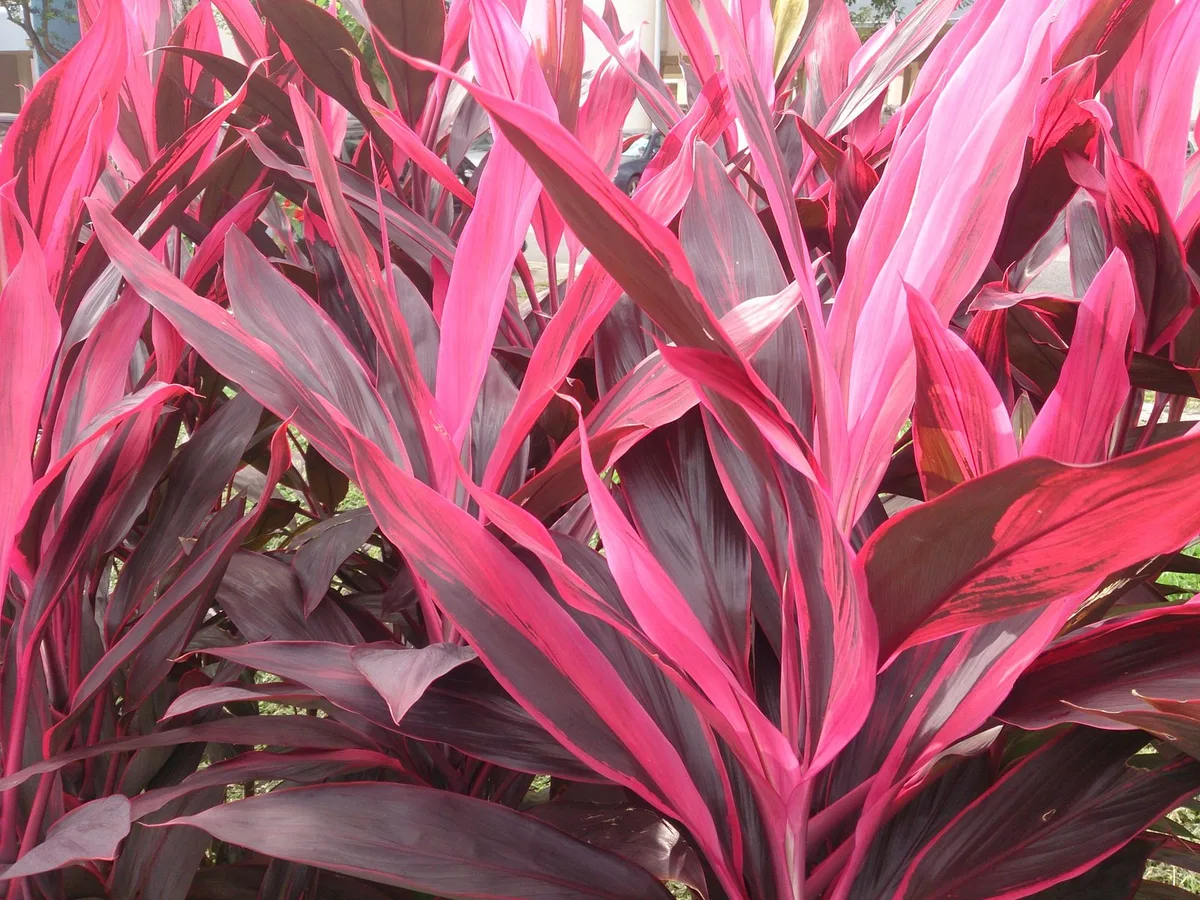
| Care difficulty | 3 / 5 |
|---|---|
| Watering schedule | Moderate regular watering, allowing brief slight drying between soakings |
| Sunlight requirements | Full sun · Partial shade |
| Ideal temperature | Information to be completed |
| Soil type | Loam · Sand |
| Soil pH | Acid · Alkaline · Neutral |
| Soil moisture | Moist but well drained |
| Fertilizing | Balanced perennial feed every four weeks from spring through summer |
| Toxicity | Information to be completed |
How to Water cabbage palm 'Amabilis'?
Moderate regular watering, allowing brief slight drying between soakings
Learn more →What Are the Sunlight Requirements for cabbage palm 'Amabilis'?
Full sun · Partial shade
Learn more →What Soil Is Best for cabbage palm 'Amabilis'?
- Soil type
- Loam · Sand
- Soil pH
- Acid · Alkaline · Neutral
What Are the Moisture Requirements for cabbage palm 'Amabilis'?
Moist but well drained
Learn more →How to Fertilize cabbage palm 'Amabilis'?

Balanced perennial feed every four weeks from spring through summer
Learn more →How to Prune cabbage palm 'Amabilis'?

No pruning required
Learn more →How to Propagate cabbage palm 'Amabilis'?

Propagate by cuttings (with the top leaves attached), or stem section cuttings (taking care to keep the sections the right way up)
Learn more →How to Plant cabbage palm 'Amabilis'?
Grow in pots of multipurpose compost in bright filtered light. Water moderately while in growth and apply a balanced liquid feed monthly; water sparingly in winter. Mist daily to increase humidity and occasionally wipe dust from the leaves with a soft cloth. Top dress annually and pot on every 2-3 years in spring. See cordyline cultivation for further information
Learn more →Common Pests & Diseases

Diseases
May be susceptible to cordyline slime flux and honey fungus (rarely)
Pests
May be susceptible to glasshouse red spider mite and scale insects
Explore the plant health library →