



Planting and Growing Ti plant

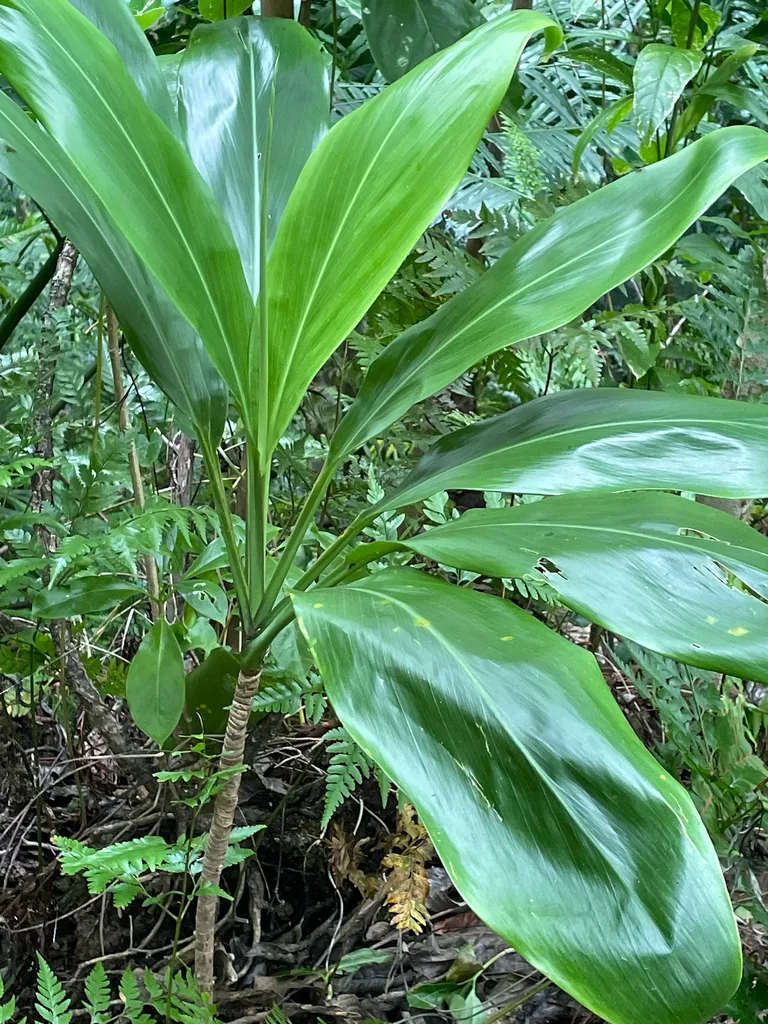
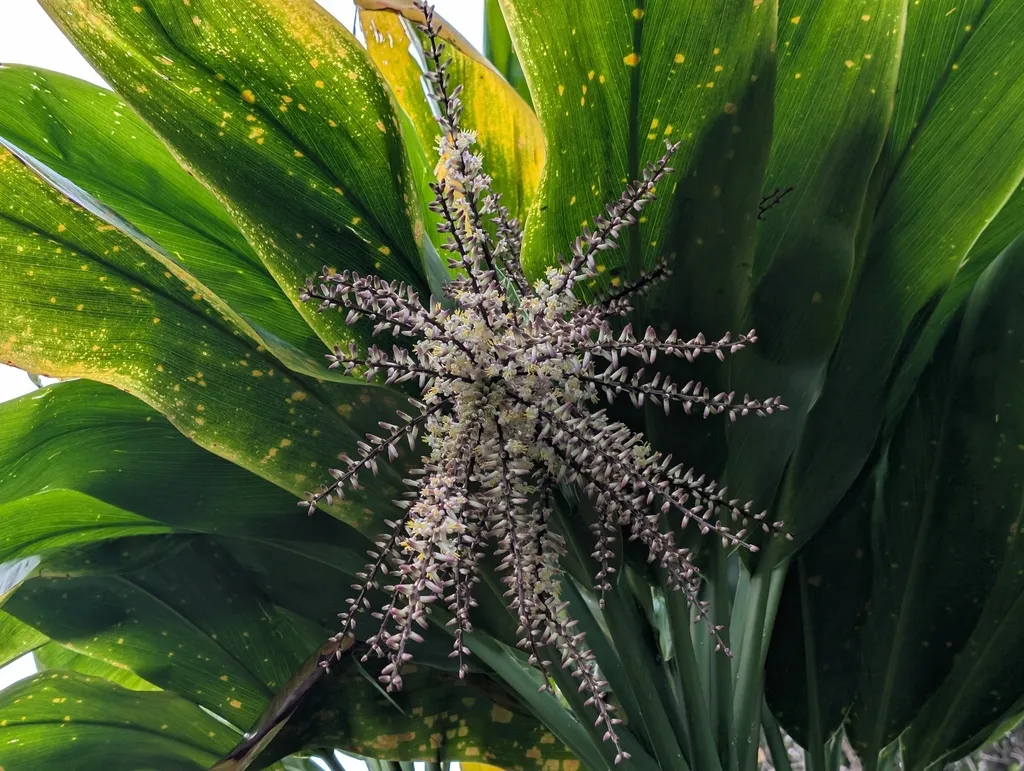
| Care difficulty | 2 / 5 |
|---|---|
| Watering schedule | Keep soil evenly moist during growth, reduce in winter |
| Sunlight requirements | Bright indirect light · Partial shade |
| Ideal temperature | 18 – 27 °C |
| Soil type | Loam · Sand |
| Soil pH | Acid · Neutral |
| Soil moisture | Moist but well drained |
| Fertilizing | Monthly during growing season |
| Toxicity | Cordyline fruticosa is considered non-toxic to humans and pets, though ingestion may cause mild stomach upset. |
How to Water Ti plant?
Thriving in high humidity, ti plant is well-adapted to the moist conditions of its tropical origins. This species prefers a consistent moisture level, with a slight drought tolerance allowing for some flexibility. Watering should occur once every 1-2 weeks, maintaining soil hydration without oversaturation. Typically grown indoors due to its decorative appeal and need for stable conditions, ti plant benefits from being placed in well-draining containers to prevent waterlogging, which aligns with its preference for humid environments.
Learn more →What Are the Sunlight Requirements for Ti plant?
Ti plant thrives in partial sunlight, with exposure to bright, indirect light fostering robust growth and vivid foliage hues. While adaptable, deviations from this setting—either to full sun or full shade—can precipitate leaf scorch or dull the characteristic vibrant colors, respectively. Ti plant's light tolerance is notable; it can endure full sun if gradually acclimated, leading to deeper pigmentation. Conversely, in full shade, growth may slow and leaves may fade. Outdoor cultivation should aim for dappled light areas, while indoor specimens flourish near windows with filtered sunlight.
Learn more →What Is the Ideal Temperature Range for Ti plant?

Ti plant can endure a wide range of temperatures, from as low as 0℃ (32℉) up to 43℃ (110℉). With sensitivity to extreme temperature fluctuations, ti plant may exhibit stunted growth or leaf damage when exposed to temperatures outside this range. Cold stress often results in darkening or wilting leaves, while overheating can cause leaf browning and curling. To protect ti plant during extreme cold, provide frost protection or move indoors. In hot conditions, ensure adequate shading and hydration. This temperature resilience makes ti plant suitable for diverse environments but demands attentive care during weather extremes.
Learn more →What Soil Is Best for Ti plant?
The optimum soil for your ti plant is a rich, well-draining soil with a pH value between 6-6.5, so slightly acidic. Because it needs a soil that holds nutrients well, an open mix containing bark would not be suitable. Instead, a mix containing 50% loam along with some sand, chalk, peat, or clay would be the best choice. This will ensure that the soil does not dry out too quickly.
- Soil type
- Loam · Sand
- Soil pH
- Acid · Neutral
What Are the Moisture Requirements for Ti plant?
Moist but well drained
Learn more →How to Fertilize Ti plant?

For ti plant, utilize high nitrogen fertilizers to underpin robust growth. Fertilize bi-monthly during growth seasons, spring through summer, with reduced applications to once every two months in fall and winter. A balanced liquid fertilizer diluted by half is ideal, ensuring roots are not burned. The benefits are noticeable—lush foliage and potential heightening of vibrant leaf coloration. Avoid over-fertilization, which can lead to leaf burn; adhere to prescribed quantities. During dormancy, withhold feeding to prevent unnecessary stress. For maximum effect, apply to moist soil and follow label instructions vigilantly.
Learn more →How to Prune Ti plant?

Ti plant, known for its vibrant foliage, benefits from pruning primarily during early to late winter. Trim dead or damaged leaves regularly to maintain plant health and shape. For rejuvenation, cut back old stems to promote new growth. Use clean, sharp tools to prevent disease, and avoid excessive pruning to preserve the plant's natural form. Pruning helps in managing size, encouraging bushier growth, and enhancing overall aesthetic appeal.
Learn more →How to Propagate Ti plant?

Originating from tropical Asia and Pacific islands, ti plant is commonly propagated through cutting. To achieve successful growth, it is crucial to select healthy, disease-free stems. Cut a stem segment with several leaf nodes, allow the cut end to dry slightly before planting it in a well-draining potting mix. Maintaining high humidity and warmth can enhance root development. Careful monitoring for pests and watering consistency helps ensure successful establishment of new ti plant plants.
Learn more →How to Transplant Ti plant?
The ideal season to transplant ti plant is mid-spring to late spring, or mid-fall to late fall, as it allows for optimal growth. Choose a location with well-draining soil and partial shade. Gentle handling and adequate watering post-transplant will ensure a thriving ti plant garden.
Learn more →How to Care for Ti plant in Winter?

Ti plant hails from warm, tropical climates, generally unaccustomed to subzero temperatures. Yet, its adaptability allows it to bear mild winters. Extra cover and protection, however, become crucial when temperatures drop near freezing. In winter, indoor cultivation or heated greenhouses are typically recommended. Root and bulb fortification is a seasonal priority, while ensuring appropriate hydration and light exposure enhances ti plant's resilience.
Learn more →How to Plant Ti plant?
Indoors-potted: For ti plant inside, ensure rotational placement to promote even growth and prevent leaning towards light sources. Outdoors-potted: Ti plant, when kept in outdoor pots, may need shelter during harsh weather to maintain vibrant foliage color. Outdoors-in the ground: In-ground ti plant require well-draining spots as they're prone to root rot in overly moist soil conditions.
Learn more →How to Repot Ti plant?
Repot ti plant, a vibrant bush, every 2-3 years to accommodate its moderate growth. Spring repotting catalyzes post-winter recovery and suits its growth cycle. Choose pots with ample room for root expansion. Post-repotting, ensure bright, indirect light and maintain moist soil without waterlogging. Tailored advice promotes ti plant's luscious foliage and structural integrity.
Learn more →Common Pests & Diseases

Diseases
Susceptible to root rot if overwatered; may also suffer from leaf spot diseases in humid conditions.
Pests
Can be affected by spider mites, mealybugs, and scale insects, especially in dry indoor conditions.
Explore the plant health library →Troubleshooting
Brown Leaf Tips, Crispy Margins, and Lower Leaf Drop
Cordyline fruticosa (ti plant / good luck plant) is a tropical Pacific shrub with colorful pink, red, or burgundy strap leaves that develops crispy brown tips when indoor air is dry or tap water minerals build up.
| What you notice | Possible explanation | What to check next |
|---|---|---|
| Leaf tips and margins turn brown and dry while upper rosette stays colorful | Low indoor humidity, fluoride/salts in tap water, or dry heating/AC drafts | Review water quality, proximity to air vents, and ambient humidity. |
| One or two oldest lower leaves yellow and drop slowly while new top leaves emerge cleanly | Normal aging of lower foliage as the woody cane grows taller | Pull or trim spent bottom leaves cleanly away from the cane. |
| Multiple leaves yellow rapidly and the cane feels soft while potting mix stays wet | Overwatering, poor drainage, or root/stem rot | Empty standing water from the saucer and allow the top 1 to 2 inches of mix to dry between waterings. |
- Water with rainwater, distilled water, or filtered water if tap water is hard or fluoridated, watering thoroughly when the top 1 to 2 inches of mix dry and emptying saucer water promptly.
- Raise ambient humidity in dry rooms with a humidifier or pebble tray, and keep warm above 15°C (60°F) away from cold drafts.
- Place in bright, indirect light (such as near an east- or west-facing window) so pink, red, and purple leaf pigments stay vivid without direct midday sun scorch.
Cordyline fruticosa contains saponins and is toxic to cats and dogs if chewed or ingested.
Fading Leaf Colors (Turning Green) and Spider Mites
Colorful cultivars of Cordyline fruticosa lose their bright pinks and reds in low light and attract spider mites in warm, dry indoor rooms.
| What you notice | Possible explanation | What to check next |
|---|---|---|
| New leaves emerge mostly green instead of pink, red, or burgundy | Insufficient light intensity | Move the plant closer to a bright window with filtered sunlight or gentle morning sun. |
| Fine webbing, pale stippling, and dull leaves appear in warm dry air | Two-spotted spider mites | Isolate the plant and wipe or rinse both leaf surfaces thoroughly with room-temperature water. |
- Provide bright, indirect light or gentle morning sun, wiping dust from the broad leaves periodically to deter spider mites.
- Feed monthly during spring and summer with a balanced liquid fertilizer diluted to half strength (using a fluoride-free feed), and pause feeding in winter.
- If a mature cane grows overly tall and bare at the bottom, prune it back in spring to encourage branching and root the cut cane top in moist potting mix or water.
Cordyline fruticosa has white, fleshy creeping rhizomes underground—distinguishing it botanically from yellow-orange rooted Dracaena species.
The Toxicity of Ti plant
Cordyline fruticosa is considered non-toxic to humans and pets, though ingestion may cause mild stomach upset.