



Planting and Growing lamb's ear

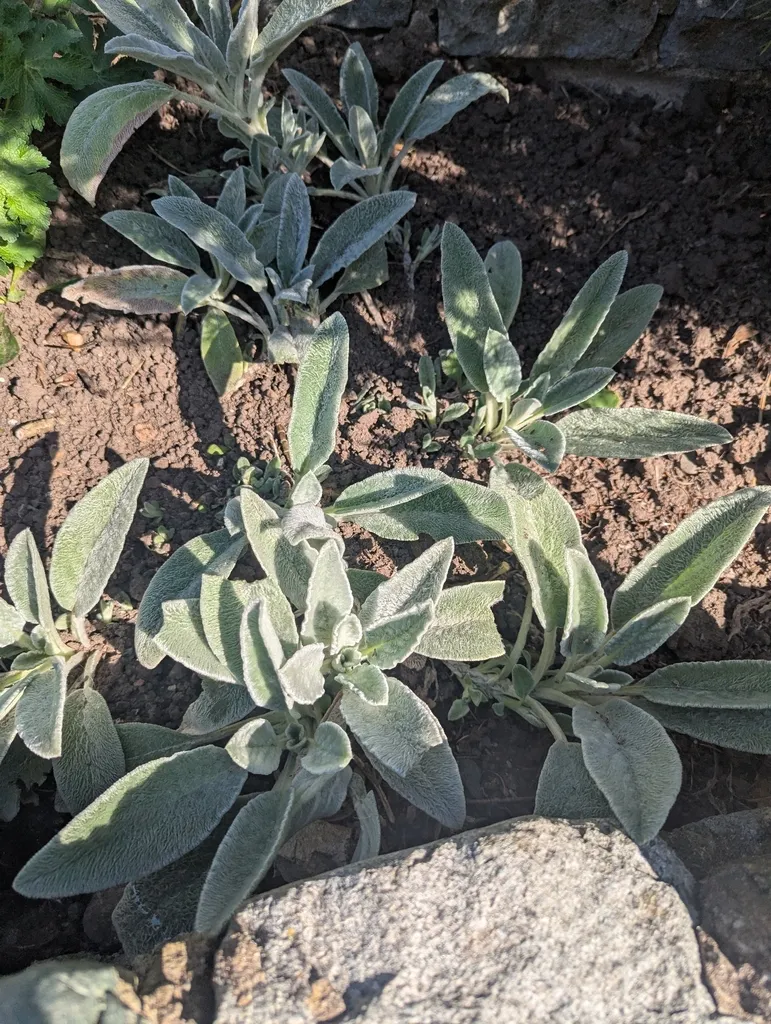
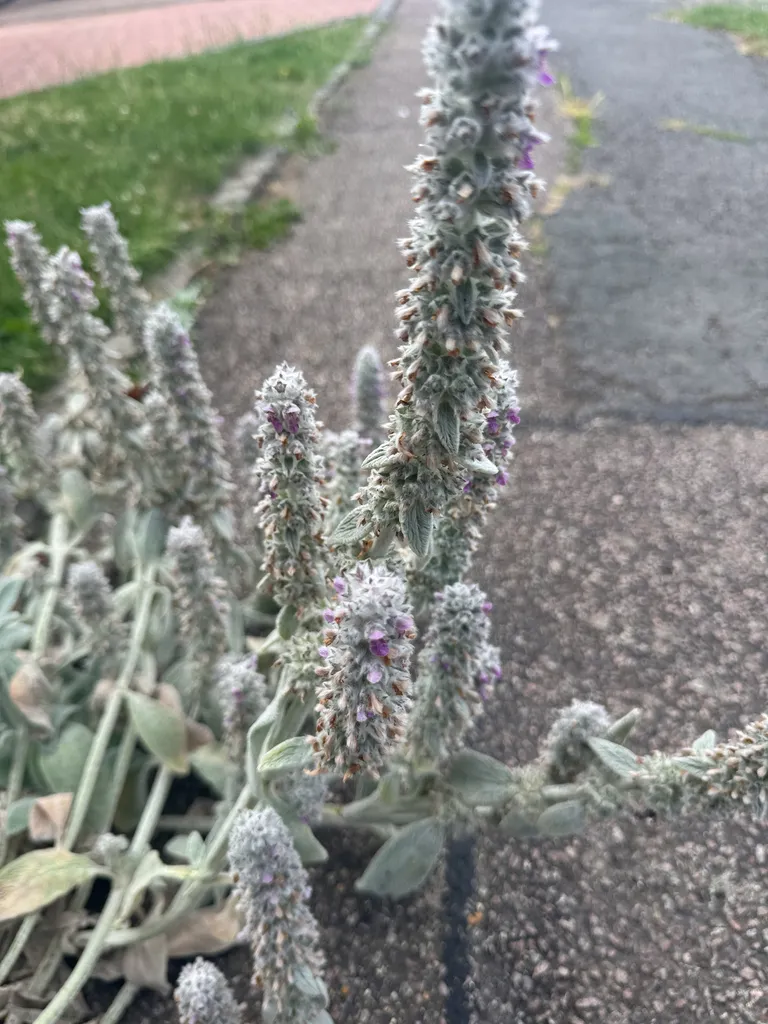
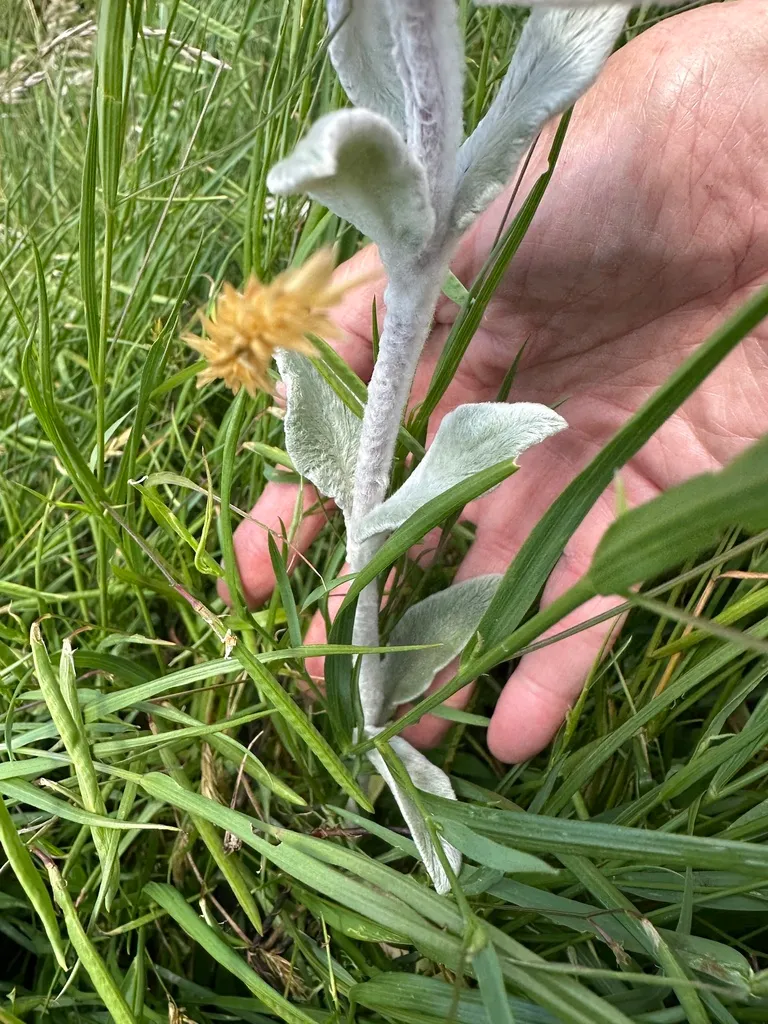
| Care difficulty | 2 / 5 |
|---|---|
| Watering schedule | Moderate regular watering, allowing brief slight drying between soakings |
| Sunlight requirements | Full sun |
| Ideal temperature | 15 – 25 °C |
| Soil type | Chalk · Loam · Sand |
| Soil pH | Acid · Alkaline · Neutral |
| Soil moisture | Well drained |
| Fertilizing | Balanced perennial feed every four weeks from spring through summer |
| Toxicity | Information to be completed |
How to Water lamb's ear?
Originating from the arid regions of Turkey, Armenia, and Iran, lamb's-ear is well-adapted to dry conditions, exhibiting excellent drought tolerance. It thrives with watering every week, ensuring its thick, velvety leaves maintain their plush texture. As a popular outdoor perennial known for its ground-covering ability, lamb's-ear benefits significantly from mulching which helps retain soil moisture and reduces the need for frequent watering. This practice aligns well with its preference for well-drained soils and tolerance of low-water environments.
Learn more →What Are the Sunlight Requirements for lamb's ear?
Lamb's-ear thrives under full sun, where the intensity ensures robust growth and health. It endures partial sun as well, adaptable to somewhat varied daylight exposure. Deviating from these ideal conditions can impede lamb's-ear's development, potentially stunting growth or affecting foliage density. The plant exhibits unique adaptations such as fuzzy leaves, which can reduce water loss and protect from intense sunlight. Suited mostly for outdoor growth, lamb's-ear should be planted in locations bathed in unfiltered sunlight to capitalize on its full potential.
Learn more →What Is the Ideal Temperature Range for lamb's ear?

Lamb's-ear showcases remarkable resilience to temperature variations, enduring cold down to -10°C (14°F) and heat up to 41°C (106°F). This adaptability makes it suitable for various climates, but in extreme cold or heat, protective measures like mulching or shade can be essential. In freezing temperatures, lamb's-ear may experience leaf discoloration or dieback, while excessive heat can cause wilting or scorched leaves. Countermeasures such as relocating the plant to a more sheltered area or providing adequate hydration are crucial in maintaining its health during extreme weather conditions.
Learn more →What Soil Is Best for lamb's ear?
For optimal growth, lamb's-ear requires well-draining soil to prevent water-logging. Use garden soil mixed with coarse sand or perlite to enhance aeration. A suitable mix can be: 2 parts garden soil, 1 part compost, 1 part coarse sand/perlite. Ensure drainage by adding gravel at the bottom of the planting area. Seasonal application of balanced, slow-release fertilizer can boost growth. Avoid water-retentive soils to keep roots healthy.
- Soil type
- Chalk · Loam · Sand
- Soil pH
- Acid · Alkaline · Neutral
What Are the Moisture Requirements for lamb's ear?
Well drained
Learn more →How to Fertilize lamb's ear?

For optimal growth, lamb's-ear benefits from fertilization with balanced nutrition fertilizers. Apply a diluted, balanced liquid fertilizer every 4-6 weeks during the growing season, less in winter. Aim for a 10-10-10 NPK ratio, but use sparingly; lamb's-ear is not a heavy feeder. Fertilizing encourages fuller foliage and robust health. Avoid over-fertilization to prevent leaf burn and excess growth. Seasonal adjustments ensure lamb's-ear receives appropriate nutrients for its growth cycle. Practical tip: water the soil before fertilizing to avoid root shock.
Learn more →How to Prune lamb's ear?

Lamb's-ear is known for its fuzzy, silver-gray leaves. For optimal growth, prune it in early to later spring. Remove dead or damaged leaves to encourage new growth and improve airflow. Light trimming helps maintain shape and prevents legginess. Rejuvenate lamb's-ear by cutting back to ground level every few years. Pruning promotes a fuller appearance and reduces the risk of disease. Proper timing and techniques enhance its ornamental value.
Learn more →How to Propagate lamb's ear?

Lamb's-ear can be best propagated through stem cuttings during the spring and summer seasons. This process is relatively easy, and successful growth can be identified through new shoots. Ensure proper moisture conditions for optimal results.
Learn more →How to Transplant lamb's ear?
To transplant lamb's-ear, choose a time between early and late spring when the weather is mild. Find a sunny location with well-drained soil for optimal growth. Ensure minimal root disturbance, and water the plant well after transplanting.
Learn more →How to Care for lamb's ear in Winter?

Lamb's-ear hails from temperate zones, equipped with silvery velvety foliage, perfect for withstanding chilly conditions. Its leaves hold onto dew and rain, helping it prosper in its native West Asian, dry climates. While this sturdy plant commonly survives cold winters, some mulching provides bonus protection. Ensuring appropriate moisture levels without over-watering is vital during the colder months, keeping your lamb's-ear thriving.
Learn more →How to Plant lamb's ear?
Indoors-potted: Ensure lamb's-ear's pot has ample drainage to prevent root rot, as its fuzzy leaves prefer staying dry and well-ventilated indoors. Outdoors-potted: Lamb's-ear thrives outdoors in pots with proper airflow; rotate the container periodically to promote even growth and avoid legginess. Outdoors-in the ground: In the ground, lamb's-ear spreads quickly, so designate a space where it can flourish without encroaching on neighboring plants.
Learn more →How to Repot lamb's ear?
To repot lamb's-ear, a plush, ground-cover perennial, choose early spring every 2-3 years for minimal root disturbance. Select a slightly larger pot to accommodate growth. Post-repotting, ensure proper drainage and moderate watering to prevent root rot, and place lamb's-ear in a sunny spot for optimal recovery. A friendly reminder: its velvety leaves cherish gentle handling during this process.
Learn more →Common Pests & Diseases

Diseases
May be subject to powdery mildews
Pests
Slugs and caterpillars may be a problem
Explore the plant health library →