
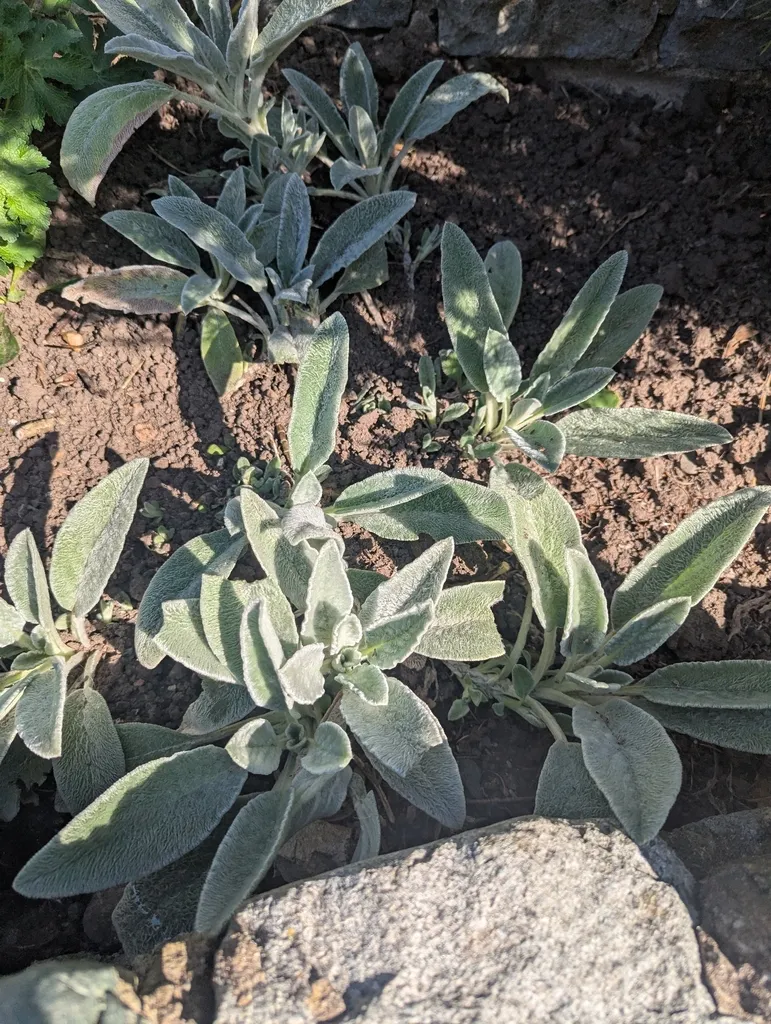



lamb's ear

lamb's ear · Soil

lamb's ear · Stachys byzantina
Also known as: bear's ear; bunnies' ears; mouse ear; rabbit ear; woolly woundwort; cat's ear; lamb's tongue; lamb's wool

Lamb's-ear is a hardy perennial known for its soft, fuzzy foliage. It thrives in well-drained soil and requires full to partial sunlight. Overwatering should be avoided, as lamb's-ear is drought-tolerant and susceptible to root rot. Special care points include ensuring good air circulation to prevent fungal diseases and trimming back after flowering to maintain its compact shape.

Watering: Moderate regular watering, allowing brief slight drying between soakingsSunlight: Full sunInformation to be completed

What Soil Is Best for lamb's ear?

For optimal growth, lamb's-ear requires well-draining soil to prevent water-logging. Use garden soil mixed with coarse sand or perlite to enhance aeration. A suitable mix can be: 2 parts garden soil, 1 part compost, 1 part coarse sand/perlite. Ensure drainage by adding gravel at the bottom of the planting area. Seasonal application of balanced, slow-release fertilizer can boost growth. Avoid water-retentive soils to keep roots healthy.

Soil type
Chalk · Loam · Sand
Soil pH
Acid · Alkaline · Neutral
PlantCare

Your Ultimate Guide to Plants

Identify, grow and nurture the better way!

PlantCare plant identification and care illustration
PlantCare

Botanist in your pocket

Scan to download PlantCareDownload on the App Store

Scan the QR code with your phone camera to download the app