



Planting and Growing Sword fern

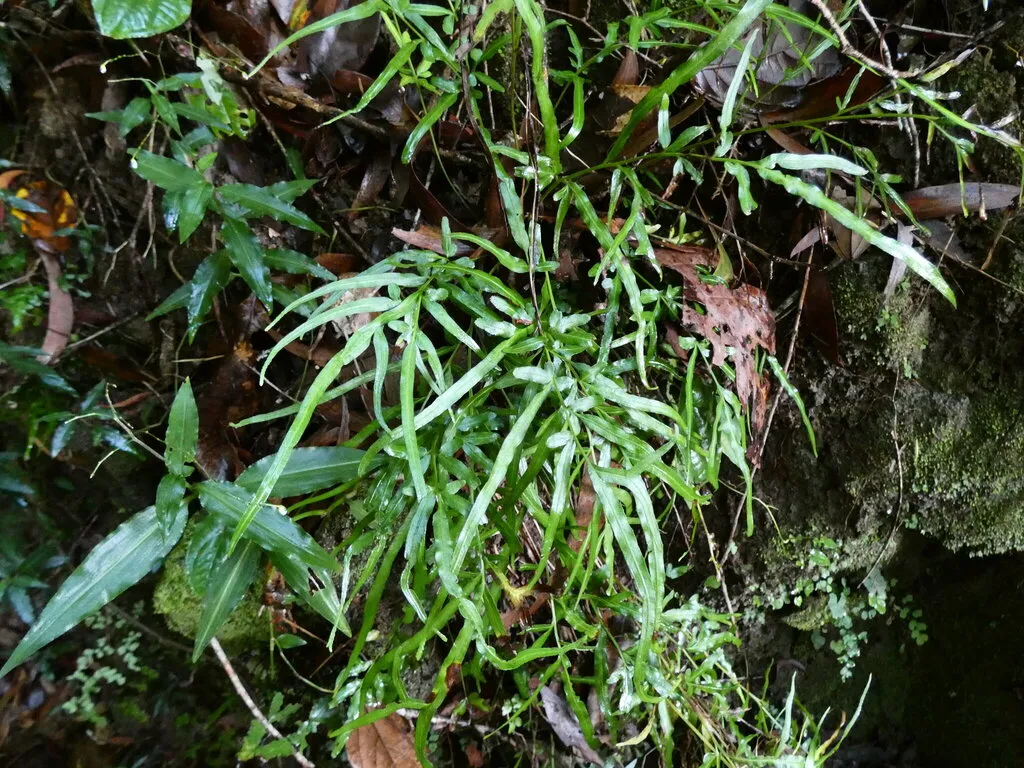
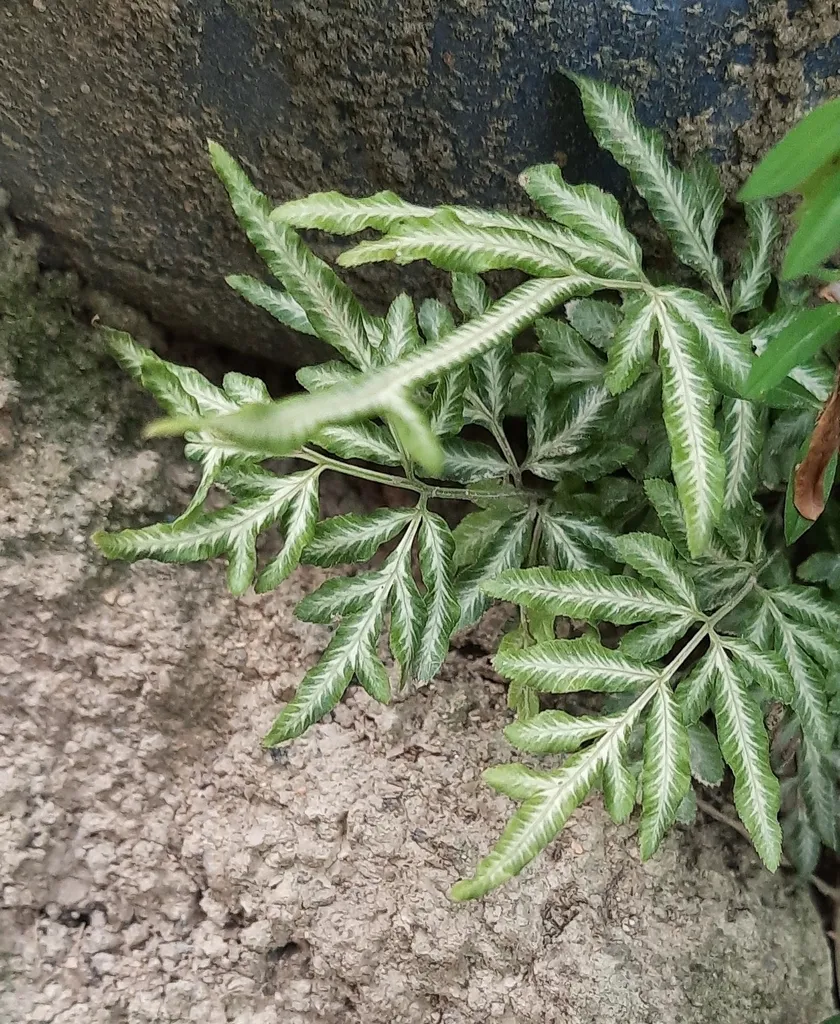
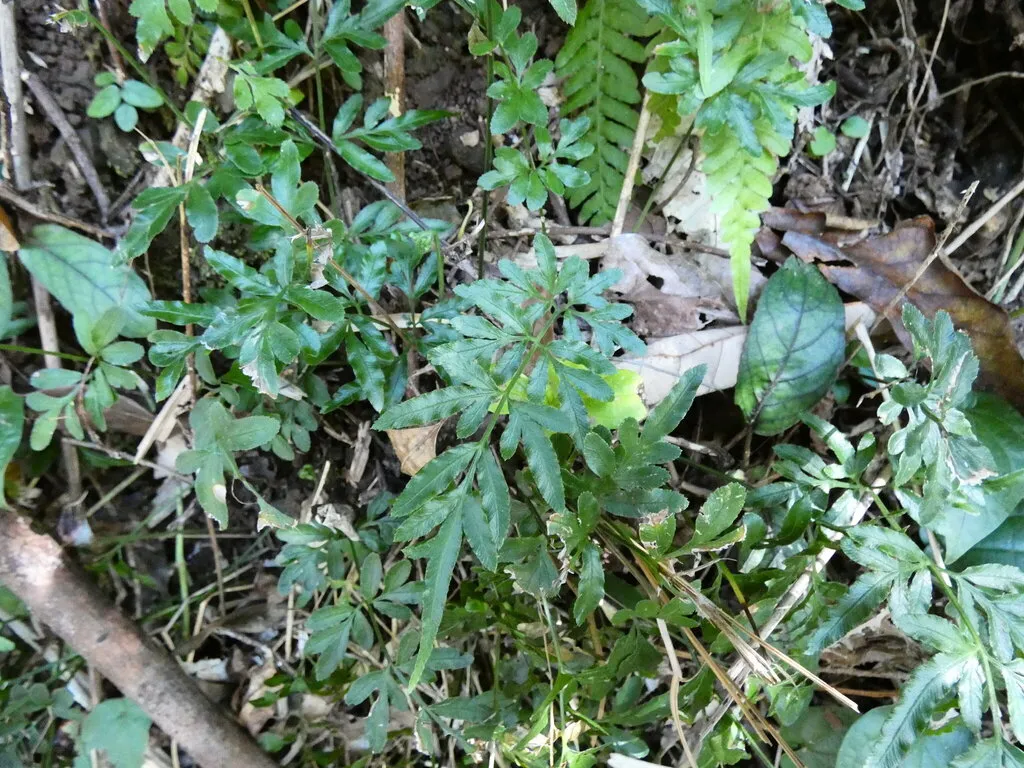
| Care difficulty | 3 / 5 |
|---|---|
| Watering schedule | Keep soil consistently moist; high humidity beneficial |
| Sunlight requirements | Partial shade · Full shade |
| Ideal temperature | 18 – 27 °C |
| Soil type | Loam · Peat |
| Soil pH | Acid · Neutral |
| Soil moisture | Moist but well drained |
| Fertilizing | Monthly with diluted liquid fertilizer during growing season |
| Toxicity | Non-toxic to humans and pets. |
How to Water Sword fern?
Originating from the humid underbrush of tropical regions, slender brake thrives in moist environments and exhibits a preference for consistent humidity. Its water habits reveal an affinity for regular hydration without being overly saturated, maintaining a delicate moisture balance. The ideal watering frequency for slender brake is twice a week to sustain its lush foliage. Typically grown indoors due to its ornamental appeal, slender brake benefits significantly from higher humidity levels that mimic its native habitat—making it well-suited for terrariums or bathrooms where moisture lingers.
Learn more →What Are the Sunlight Requirements for Sword fern?
Partial shade · Full shade
Learn more →What Is the Ideal Temperature Range for Sword fern?

Slender brake showcases moderate resilience to temperature variations, enduring from 0℃ (32℉) to 43℃ (110℉). However, exposure to temperatures near these extremes should be minimized to prevent stress. Prolonged cold can stunt growth or lead to leaf discoloration, while excessive heat may cause wilting or browning tips. To safeguard slender brake, use protective covers during cold spells and ensure adequate hydration and shading in intense heat. Understanding these tolerance ranges aids in effective care, making slender brake suitable for temperate regions with precautions during severe weather.
Learn more →What Soil Is Best for Sword fern?
For optimal growth, slender brake requires well-aerated soil with excellent drainage to prevent water-logging. Use a mix of equal parts potting mix and perlite. If perlite is unavailable, coarse sand can be a substitute. Ensure the mix is loose to promote good air circulation. Incorporate a balanced, slow-release fertilizer into the soil at the beginning of the growing season to enhance growth. Regularly check for compaction and adjust the mix as needed to maintain proper drainage.
- Soil type
- Loam · Peat
- Soil pH
- Acid · Neutral
What Are the Moisture Requirements for Sword fern?
Moist but well drained
Learn more →How to Fertilize Sword fern?

For slender brake, apply high-nitrogen fertilizer every 4-6 weeks during active growing seasons, spring through fall. Reduce frequency in winter. Moderate doses encourage lush fronds and robust health. Avoid over-fertilizing to prevent root burn. Dilute to half-strength for safe application, integrating into regular watering routines. Seasonal adjustments ensure optimal nutrient uptake, tailored to slender brake's growth cycle.
Learn more →How to Prune Sword fern?

Slender brake is a low-maintenance fern with slender fronds that benefit from regular pruning. To keep slender brake healthy, prune dead or damaged fronds close to the base, ideally in early spring, to encourage new growth during the active growing season. Pruning also helps prevent disease and keeps the plant looking tidy. Avoid cutting healthy fronds to maintain its delicate appearance. Regular pruning ensures better air circulation and overall plant vigor.
Learn more →How to Propagate Sword fern?

A fascination for shade gardens, slender brake is propagated effectively through division, a process best conducted with mature specimens. Carefully separate the rhizomes, ensuring each new section has an adequate root system. Employ a sterile, sharp blade to minimize damage and disease risk. Plant the divisions in a well-draining, humus-rich substrate, maintaining consistent moisture without waterlogging. This careful division encourages a smooth transition and paves the way for successful establishment in new locations.
Learn more →How to Transplant Sword fern?
The pinnacle time to relocate slender brake is the warm embrace of summer, fostering robust growth. Choose a shady enclave with moist soil. For thriving transplants, ensure gentle handling of roots to maintain their delicate structure.
Learn more →How to Plant Sword fern?
Grow in a well-drained, humus-rich soil with consistent moisture. Position in bright, indirect light or partial to full shade; avoid direct sun which can scorch the fronds. Maintain high humidity by misting or placing on a pebble tray. Water regularly to keep the compost evenly moist, but reduce watering slightly in winter. Fertilize monthly during the growing season with a balanced liquid feed at half strength. Protect from temperatures below 10°C; in cooler regions grow as a houseplant or in a warm greenhouse.
Learn more →How to Repot Sword fern?
Repot slender brake every 2-3 years in spring for best results, as it's a moderate-growing fern. Choose a shallow, wide pot to accommodate the short rhizomatic root system, ensuring healthy development. Post-repotting, maintain moist soil and dappled sunlight to help slender brake recover and thrive. A friendly reminder: slender brake's delicate fronds appreciate gentle care during this process!
Learn more →Common Pests & Diseases

Diseases
Generally healthy; may be susceptible to root rot if overwatered or grown in poorly drained soil. Keep foliage dry to reduce fungal leaf spots.
Pests
Occasionally attacked by scale insects, mealybugs, and spider mites, especially in dry indoor conditions. Regular misting and inspection help control pests.
Explore the plant health library →The Toxicity of Sword fern
Non-toxic to humans and pets.