
Sword fern
Also known as: Sword fern, Slender brake, Sword brake
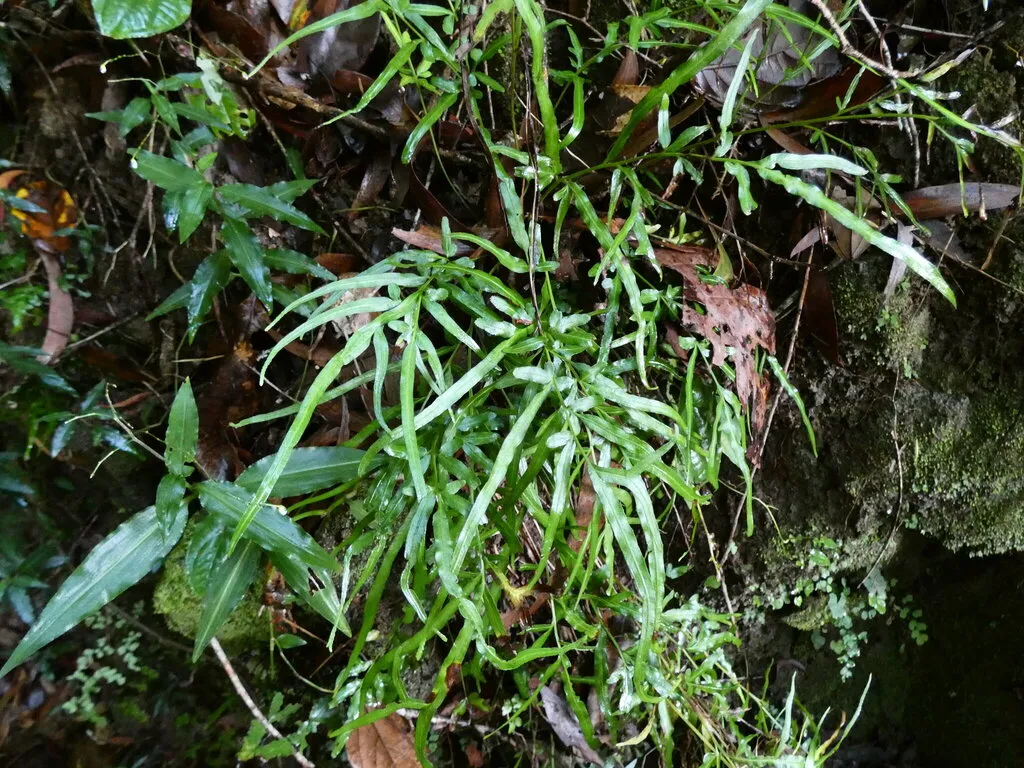
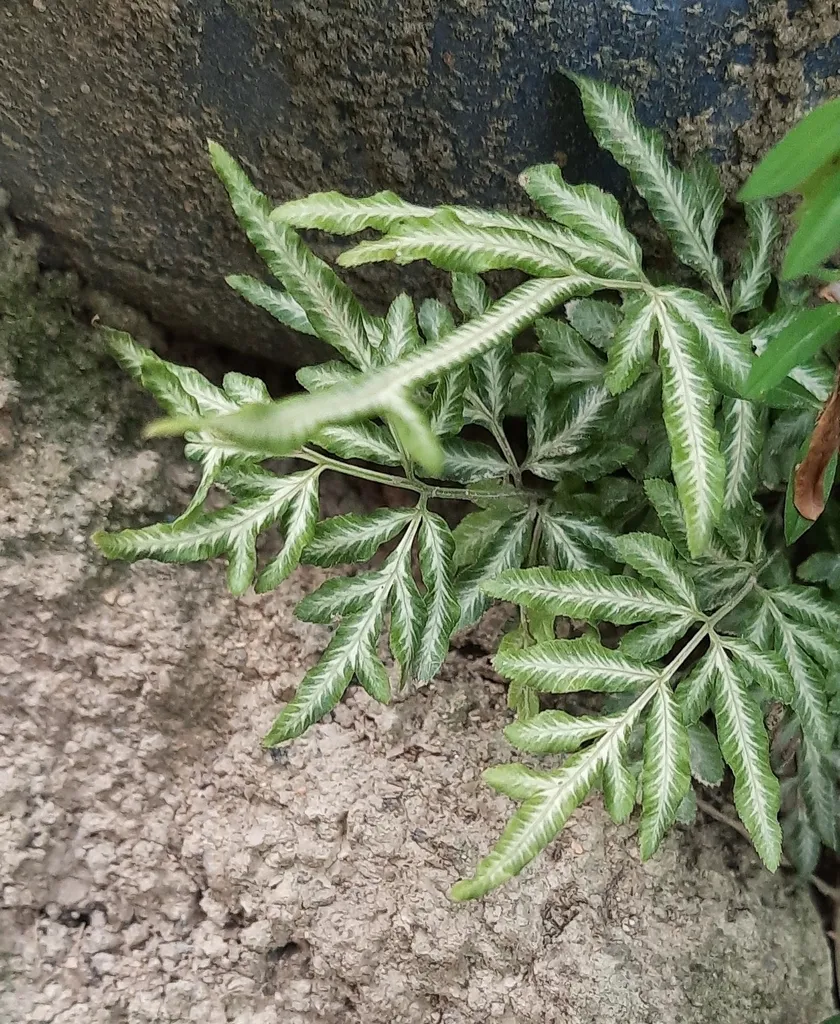
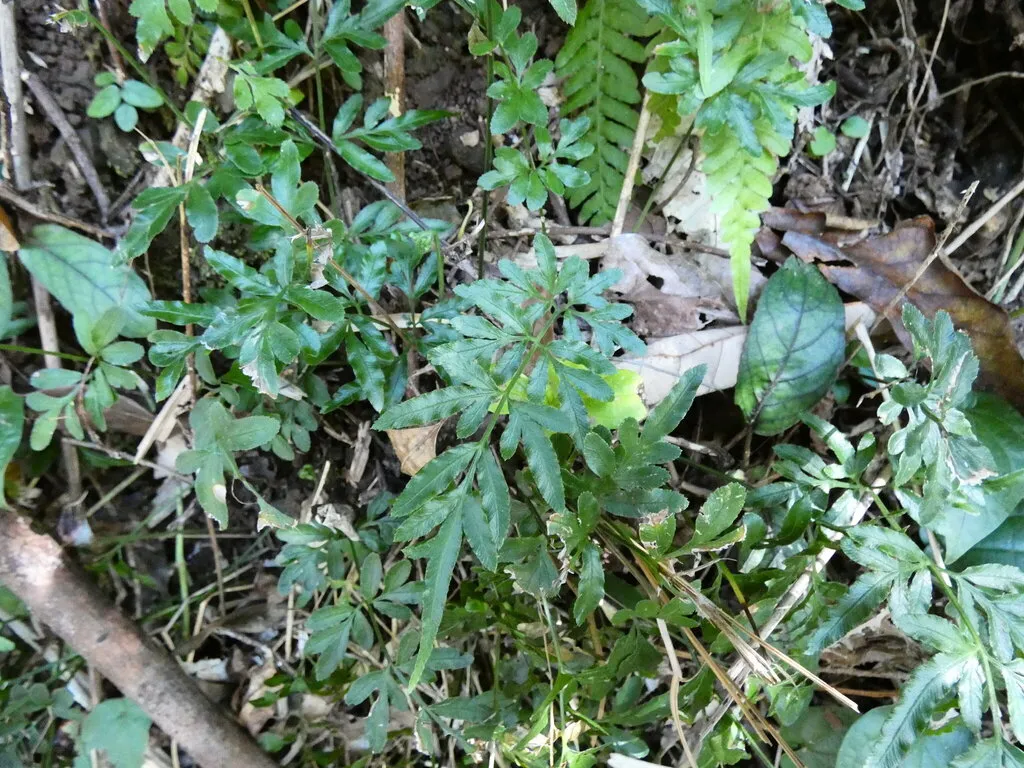
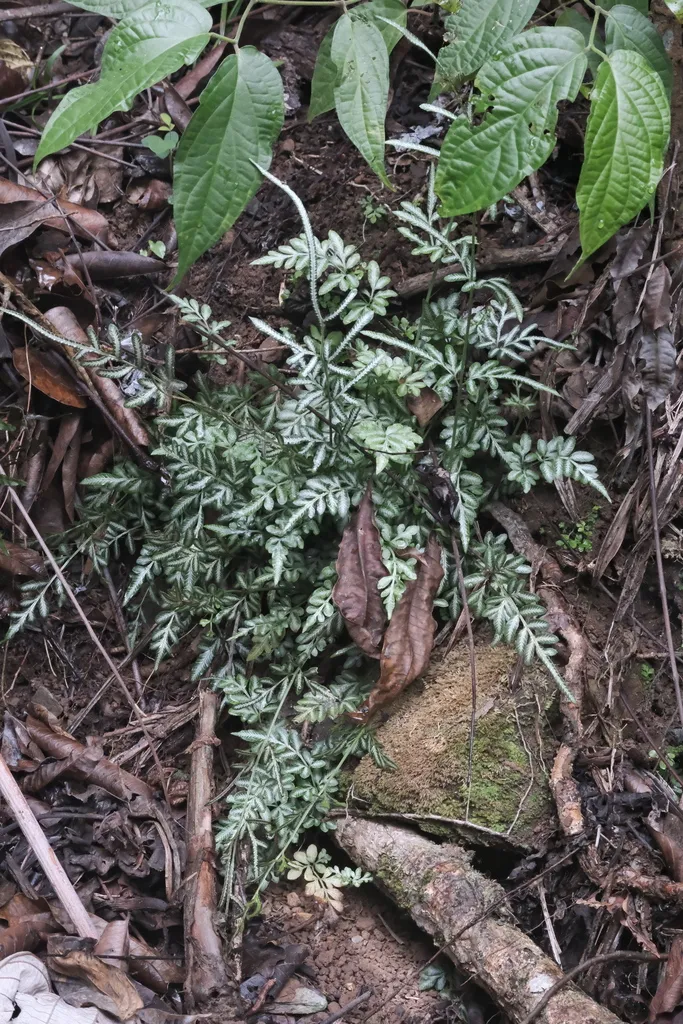
Pteris ensiformis, commonly known as sword fern or slender brake, is a compact evergreen fern with arching, linear pinnae. The fronds are erect or spreading, reaching 30–60 cm in height, with a dark green, leathery texture. It forms a neat clump and is valued for its delicate, feathery appearance. Young fronds emerge with a bronze tint before maturing to deep green.
Scientific classification
- Species
- Sword fern (Pteris ensiformis)
- Genus
- Pteris
- Family
- Pteridaceae
- Non-toxic to humans and pets.
- Toxicity
- Ferns
- Plant type
- 0.3 - 0.6 metres
- Height
- 0.3 - 0.6 metres
- Spread
- Evergreen
- Foliage
- Clump forming
- Habit
- Spring · Summer · Autumn
- Season of interest
- Partial shade · Full shade
- Sunlight
- 18 – 27 °C
- Ideal temperature









Sword fern pictures
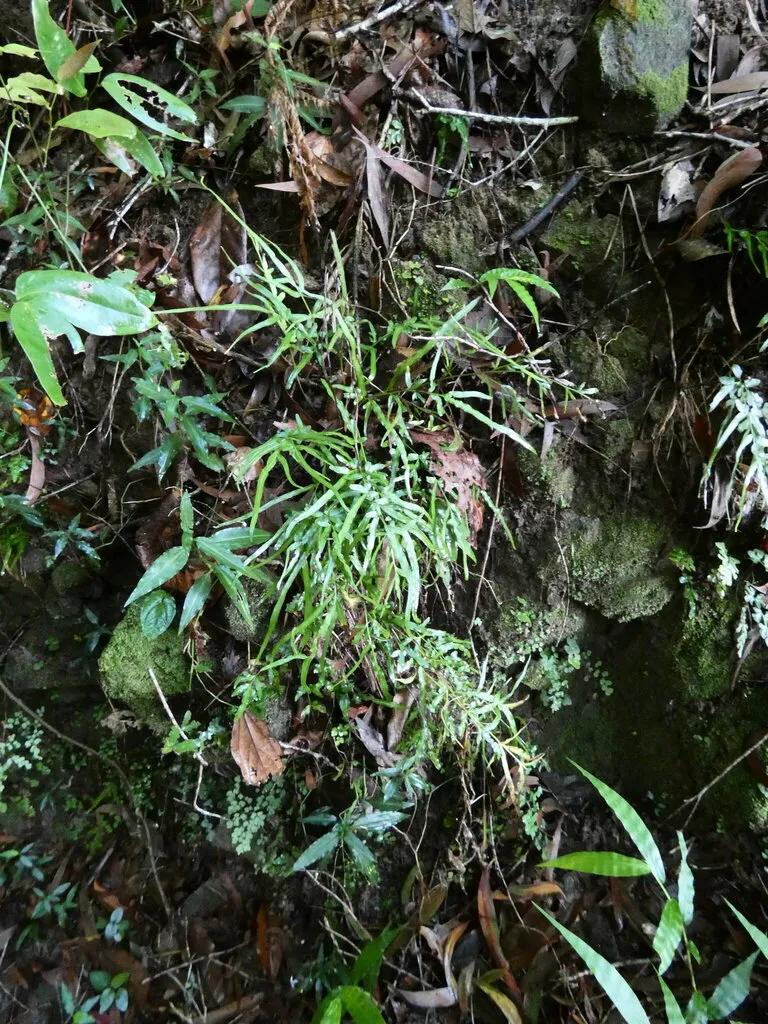
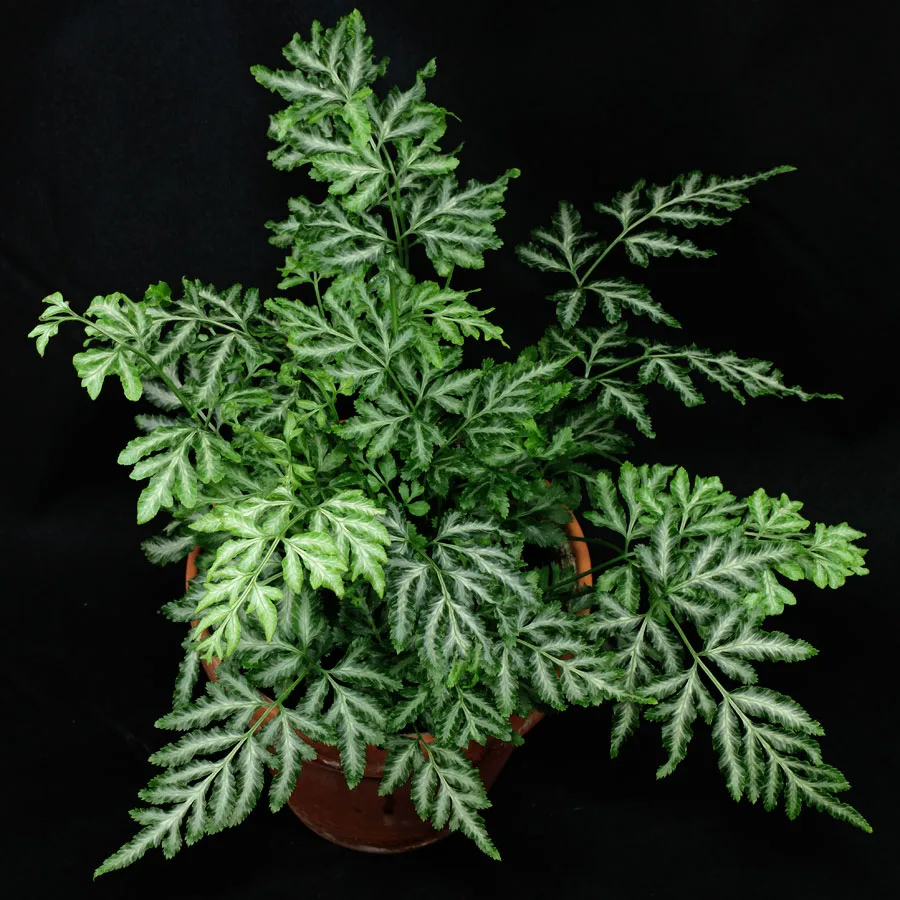
Distribution of Sword fern
Distribution map
- Native
- Introduced
- Cultivated
Source:WCVP v16 · Royal Botanic Gardens, Kew · CC BY 3.0 · Boundaries:WGSRPD / TDWG
Culture
Information to be completed
Toxicity
Non-toxic to humans and pets.
Quick identification of Sword fern
Information to be completed
Sword fern care guide
- Keep soil consistently moist; high humidity beneficial
- Watering
- Partial shade · Full shade
- Sunlight
- 18 – 27 °C
- Ideal temperature

Watering
Keep soil consistently moist; high humidity beneficial
Fertilizing
 Fertilizing
Monthly with diluted liquid fertilizer during growing season
Pruning
 Pruning
Remove old or damaged fronds at the base in spring to encourage fresh growth. No heavy pruning is required.
Propagation
 Propagation
Propagate by spores sown on the surface of moist, sterile compost in a warm propagator (18–24°C). Alternatively, divide mature clumps in spring, ensuring each division has a portion of rhizome and several fronds. Re-pot divisions in a similar compost.
Growing
 Growing
Grow in a well-drained, humus-rich soil with consistent moisture. Position in bright, indirect light or partial to full shade; avoid direct sun which can scorch the fronds. Maintain high humidity by misting or placing on a pebble tray. Water regularly to keep the compost evenly moist, but reduce watering slightly in winter. Fertilize monthly during the growing season with a balanced liquid feed at half strength. Protect from temperatures below 10°C; in cooler regions grow as a houseplant or in a warm greenhouse.
People also ask
Information to be completed
Common pests and diseases
Diseases
Generally healthy; may be susceptible to root rot if overwatered or grown in poorly drained soil. Keep foliage dry to reduce fungal leaf spots.
Pests
Occasionally attacked by scale insects, mealybugs, and spider mites, especially in dry indoor conditions. Regular misting and inspection help control pests.
Explore the plant health library →




