



Planting and Growing Pompon Chrysanthemum

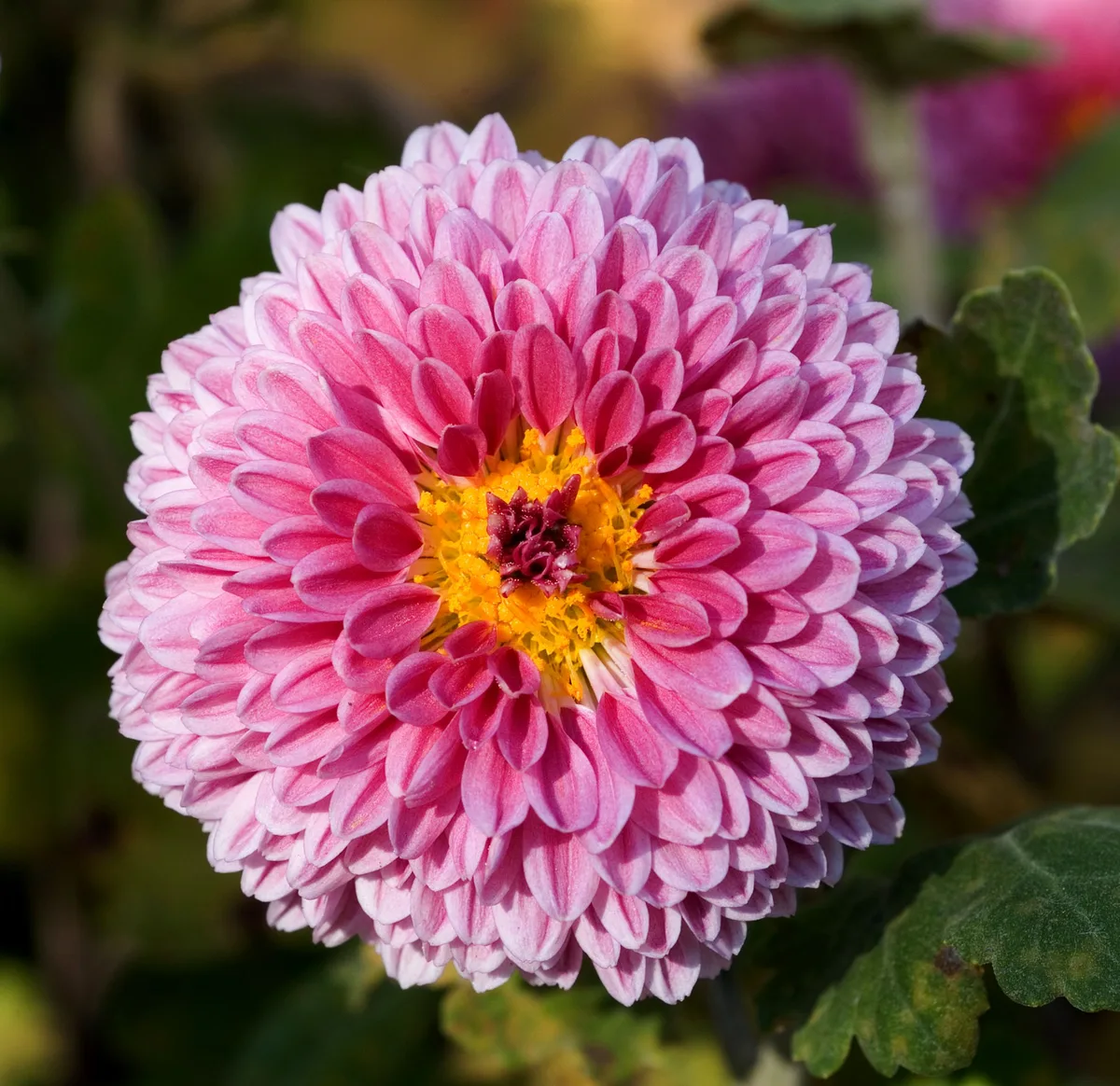
| Care difficulty | 2 / 5 |
|---|---|
| Watering schedule | Water when soil surface feels dry |
| Sunlight requirements | Full sun |
| Ideal temperature | 15 – 25 °C |
| Soil type | Loam · Sand |
| Soil pH | Neutral |
| Soil moisture | Moist but well drained |
| Fertilizing | Weekly with dilute fertilizer during growing season |
| Toxicity | Non-toxic to humans and pets. |
How to Water Pompon Chrysanthemum?
Water when soil surface feels dry
Learn more →What Are the Sunlight Requirements for Pompon Chrysanthemum?
Full sun
Learn more →What Is the Ideal Temperature Range for Pompon Chrysanthemum?

15 – 25 °C
Learn more →What Soil Is Best for Pompon Chrysanthemum?
- Soil type
- Loam · Sand
- Soil pH
- Neutral
What Are the Moisture Requirements for Pompon Chrysanthemum?
Moist but well drained
Learn more →How to Fertilize Pompon Chrysanthemum?

Weekly with dilute fertilizer during growing season
Learn more →How to Prune Pompon Chrysanthemum?

Deadhead spent flowers regularly to prolong blooming. After flowering, cut back stems to 10-15 cm above ground; in spring, remove any dead or weak shoots.
Learn more →How to Propagate Pompon Chrysanthemum?

Propagate by stem cuttings taken in spring or early summer; insert cuttings into moist, well-drained compost at 15-18°C (59-64°F) with high humidity. Alternatively, divide established clumps in spring every 2-3 years.
Learn more →How to Plant Pompon Chrysanthemum?
Grow in full sun in fertile, well-drained soil with moderate moisture. Pinch out growing tips in early summer to encourage bushy growth and more flowers. Water regularly during dry periods, but avoid waterlogging. Apply a balanced liquid fertilizer every two weeks from midsummer until flower buds show colour. In colder regions, lift tubers (if grown as perennials) and store frost-free in winter, or treat as annuals.
Learn more →Common Pests & Diseases

Diseases
Susceptible to powdery mildew, gray mold (Botrytis), and leaf spot. Good air circulation and avoiding overhead watering help reduce disease incidence.
Pests
Common pests include aphids, leaf miners, and spider mites, especially under glass or in dry conditions. Regular monitoring and early treatment are recommended.
Explore the plant health library →Troubleshooting
Leggy, Flopping Stems or Delayed Autumn Blooms
Chrysanthemum morifolium (garden/florist chrysanthemum) is a short-day perennial that needs full sun and early summer pinching to form compact, sturdy mounds covered in autumn buds.
| What you notice | Possible explanation | What to check next |
|---|---|---|
| Stems grow tall and flop open before autumn flower buds form | Lack of early-summer pinching or insufficient direct sunlight | Provide at least 6 hours of direct sun daily and pinch growing tips in late spring through early July (stopping by mid-summer so autumn buds can set). |
| Outdoor garden mums fail to bloom before autumn frost | Porch or street lights interrupting nighttime darkness, or planting too late in autumn without root establishment | Check whether artificial lights shine on the plant at night and plant hardy mums in spring for strong winter survival. |
- Plant in full sun (at least 6 hours of direct sunlight daily) in fertile, well-drained soil.
- Pinch back new shoot tips by 1 to 2 inches two or three times from late spring until early July, then stop pinching so flower buds develop for autumn.
- Deadhead spent flowers regularly to tidy the plant, and cut stems back to 10 to 15 cm (4 to 6 inches) after flowering finishes.
Chrysanthemum morifolium contains pyrethrins and sesquiterpene lactones and is toxic to cats, dogs, and horses if ingested.
Yellowing Lower Leaves (Powdery Mildew, Leaf Spot) or Aphids
Dense chrysanthemum foliage is prone to fungal leaf spots, powdery mildew, and aphids when leaves stay wet or airflow is restricted.
| What you notice | Possible explanation | What to check next |
|---|---|---|
| Lower leaves turn yellow with dark brown/black spots or white powdery coating | Septoria leaf spot or powdery mildew encouraged by overhead watering and crowded stems | Remove affected lower leaves, water at the soil base in the morning, and improve spacing/airflow. |
| Curled shoot tips and flower buds coated in tiny green, black, or brown insects and sticky honeydew | Aphids or spider mites | Rinse shoot tips with a firm spray of water or apply insecticidal soap per label instructions. |
- Water at the base of the plant rather than wetting foliage, keeping soil evenly moist without waterlogging.
- Divide crowded garden clumps every 2 to 3 years in spring to rejuvenate vigor and improve airflow.
- Mulch hardy garden mums in late autumn after ground cools to protect overwintering roots.
Florist pot mums sold in full bloom indoors are forced in greenhouses and often lack the winter hardiness of spring-planted garden mums.
The Toxicity of Pompon Chrysanthemum
Non-toxic to humans and pets.