



Planting and Growing Amaryllis

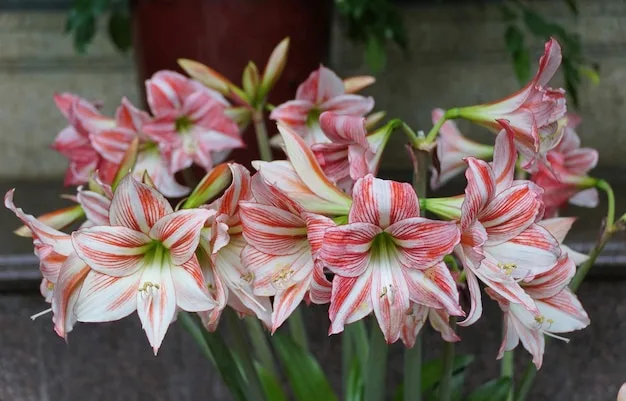
| Care difficulty | 2 / 5 |
|---|---|
| Watering schedule | Water thoroughly when soil surface is dry, reduce in dormancy |
| Sunlight requirements | Bright indirect light |
| Ideal temperature | 15 – 25 °C |
| Soil type | Loam · Sand |
| Soil pH | Neutral · Acid |
| Soil moisture | Moist but well drained |
| Fertilizing | Every 2 weeks during growth |
| Toxicity | Toxic to humans and pets if ingested, containing alkaloids that cause vomiting, diarrhea, and salivation. |
How to Water Amaryllis?
Hippeastrum hybrid thrives in environments that mimic its native subtropical habitat, where it benefits from consistent moisture and high humidity. This species is adapted to a balanced water regimen, neither too dry nor overly saturated. It requires watering every week to maintain its health and vibrant blooms. As an indoor ornamental, hippeastrum hybrid often graces living spaces with its striking flowers, which rely on careful watering to ensure the longevity of their flowering period. During the growing season, adequate hydration can lead to multiple bloom cycles, showcasing hippeastrum hybrid's full horticultural splendor.
Learn more →What Are the Sunlight Requirements for Amaryllis?
Bright indirect light
Learn more →What Is the Ideal Temperature Range for Amaryllis?

Hippeastrum hybrid showcases a remarkable resilience to temperature fluctuations, tolerating cold as low as -10°C (14°F) and heat up to 43°C (109°F). Its temperature tolerance means gardeners must be vigilant during extremes—providing frost protection in cold climates and ensuring shade or cooling solutions in extreme heat. Symptoms of overcooling include leaf discoloration and wilting, while overheating causes scorched leaves and stunted growth. To mitigate temperature stress, insulate the bulb and roots during colder months and maintain adequate hydration and ventilation during hot periods. Such adaptability makes hippeastrum hybrid suitable for diverse environments, enhancing its versatility in garden settings.
Learn more →What Soil Is Best for Amaryllis?
- Soil type
- Loam · Sand
- Soil pH
- Neutral · Acid
What Are the Moisture Requirements for Amaryllis?
Moist but well drained
Learn more →How to Fertilize Amaryllis?

Every 2 weeks during growth
Learn more →How to Prune Amaryllis?

Recognized for its large, vibrant flowers, hippeastrum hybrid benefits from pruning in early spring. Remove dead or damaged leaves to encourage healthy growth. Cut back spent flower stalks to the base after blooming. Avoid trimming the foliage until it yellows naturally, as it provides energy for future blooms. Pruning promotes better airflow, reduces disease risk, and enhances the plant's overall appearance. Timely pruning ensures robust and vibrant growth in the next season.
Learn more →How to Propagate Amaryllis?

Hippeastrum hybrid, a popular flowering bulb, can be effectively propagated through division. The process involves separating offsets, or 'daughter' bulbs, from the parent bulb after the flowering period when the plant is dormant. Care must be taken to ensure each offset has a portion of the basal plate to facilitate root growth. Plant the offsets in well-draining soil, positioning them at a depth where their necks are just above the surface. With proper care, these will grow into new, flowering plants.
Learn more →How to Transplant Amaryllis?
Hippeastrum hybrid should ideally be transplanted from early to mid-spring when the weather conditions are optimal. Choose a sunny, well-drained location to ensure a healthy transition. If your area is prone to late frosts, wait until they pass before transplanting.
Learn more →How to Plant Amaryllis?
Plant bulbs in autumn with the neck above the soil surface in a pot just slightly larger than the bulb. Use a well-drained, loam-based compost. Water sparingly until growth appears, then increase watering to keep the compost moist but not waterlogged. Apply a balanced liquid fertilizer every two weeks during active growth. After flowering, cut off the spent flower stalk and continue watering and feeding until leaves yellow. Allow a dry rest period of 6-8 weeks in late summer to encourage next season's blooms. Keep at 15-20°C during growth; avoid temperatures below 5°C. Repot every 2-3 years.
Learn more →Common Pests & Diseases

Diseases
Susceptible to red blotch (Stagonospora curtisii), which causes reddish spots on leaves and flower stalks. Also prone to basal rot (Fusarium) and powdery mildew under poor air circulation.
Pests
Common pests include aphids, mealybugs, spider mites, and narcissus bulb fly (larvae). Regular inspection and appropriate controls are recommended.
Explore the plant health library →Troubleshooting
Yellowing Leaves, Dormancy Dieback, or Underground Rot
Amaryllis (Hippeastrum hybrid) grows from large tunicate bulbs with distinct active and resting phases; distinguish natural seasonal dormancy from waterlogged rot.
| What you notice | Possible explanation | What to check next |
|---|---|---|
| Leaves turn yellow and die back after blooming or at season's end while underground storage organs remain firm | Normal post-bloom or seasonal dormancy as energy returns underground | Gently feel the crown or rhizome/bulb top to verify it is hard and dry rather than mushy |
| Leaves yellow prematurely and collapse with a soft, foul-smelling base | Basal rot or rhizome rot caused by waterlogged soil during cool weather or dormancy | Check drainage and inspect underground storage organs for soft decay |
| Reddish-brown streaks or spots on leaves and hollow flower stalks | Red blotch (Stagonospora curtisii) favored by wet foliage and poor airflow | Inspect leaf bases and flower stalks for red lesions |
- Keep green foliage growing after flowering—continuing light watering and feeding until leaves yellow naturally—so underground storage organs recharge for next season.
- Reduce watering sharply once foliage yellows into dormancy, keeping dormant storage organs frost-free.
- Plant bulbs with the upper third of the neck above the soil surface, keep leaves growing after bloom until they yellow naturally, and give a 6-to-8-week cool, dry rest in late summer/autumn to trigger reblooming.
Discard bulbs, corms, or rhizomes with soft, foul-smelling rot immediately so disease does not spread.
Never eat Hippeastrum bulbs or foliage—all parts contain toxic lycorine alkaloids.
Spider Mites, Aphids, or Leaf Scorch
Warm indoor rooms and dry summer heat can invite spider mites or scorch leaves if moisture and light fluctuate abruptly.
| What you notice | Possible explanation | What to check next |
|---|---|---|
| Fine webbing, pale stippling, or bronzed leaf undersides | Spider mites or aphids, especially in warm dry indoor/conservatory air | Inspect leaf undersides closely and wipe with a damp cloth |
| Dry brown leaf margins or bleached patches | Low ambient humidity, dry soil during peak heat, or sudden direct midday sun | Check soil moisture and afternoon shade protection |
- Water consistently during warm active growth and maintain good humidity around indoor or container specimens.
- Isolate pest-affected containers, rinse leaf undersides gently with water, and treat persistent spider mites or aphids with insecticidal soap per label instructions.
- Divide overcrowded rhizomes or corms in spring as new growth resumes.
Ensure containers have open drainage holes and never sit in stagnant water during cool weather.
The Toxicity of Amaryllis
Toxic to humans and pets if ingested, containing alkaloids that cause vomiting, diarrhea, and salivation.