



Planting and Growing Ming Aralia

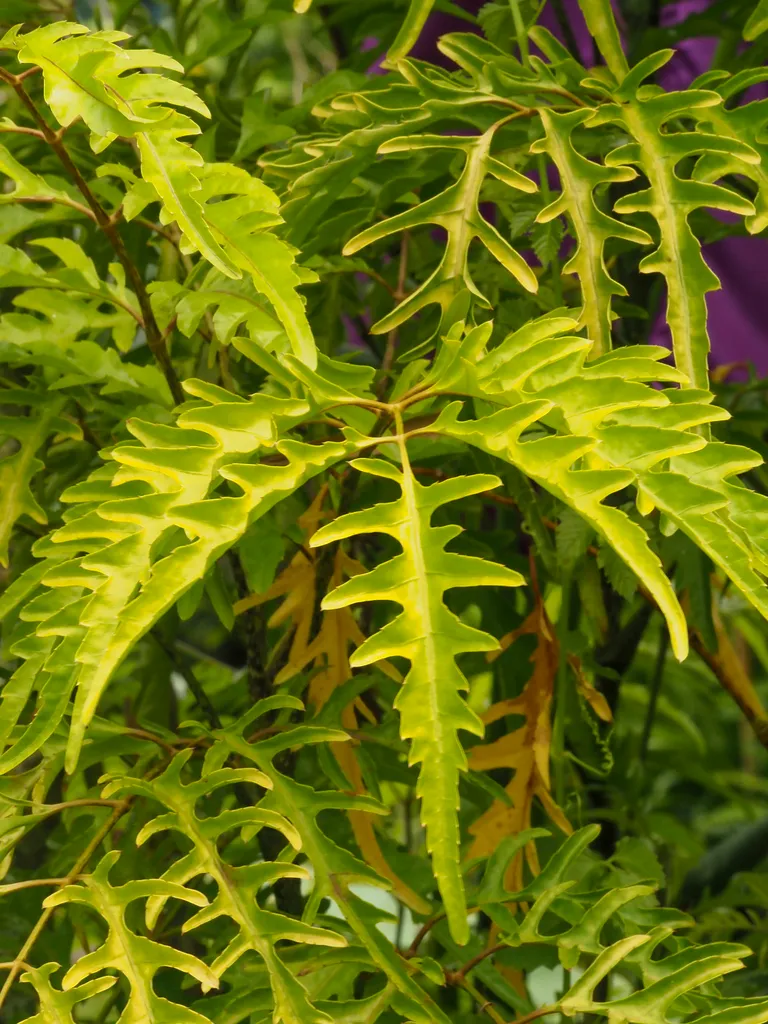
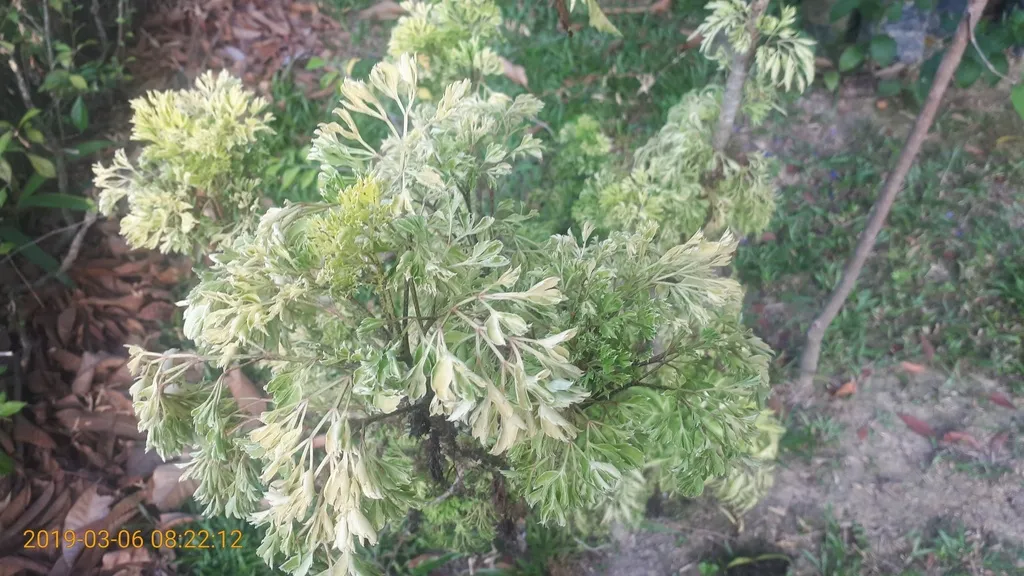
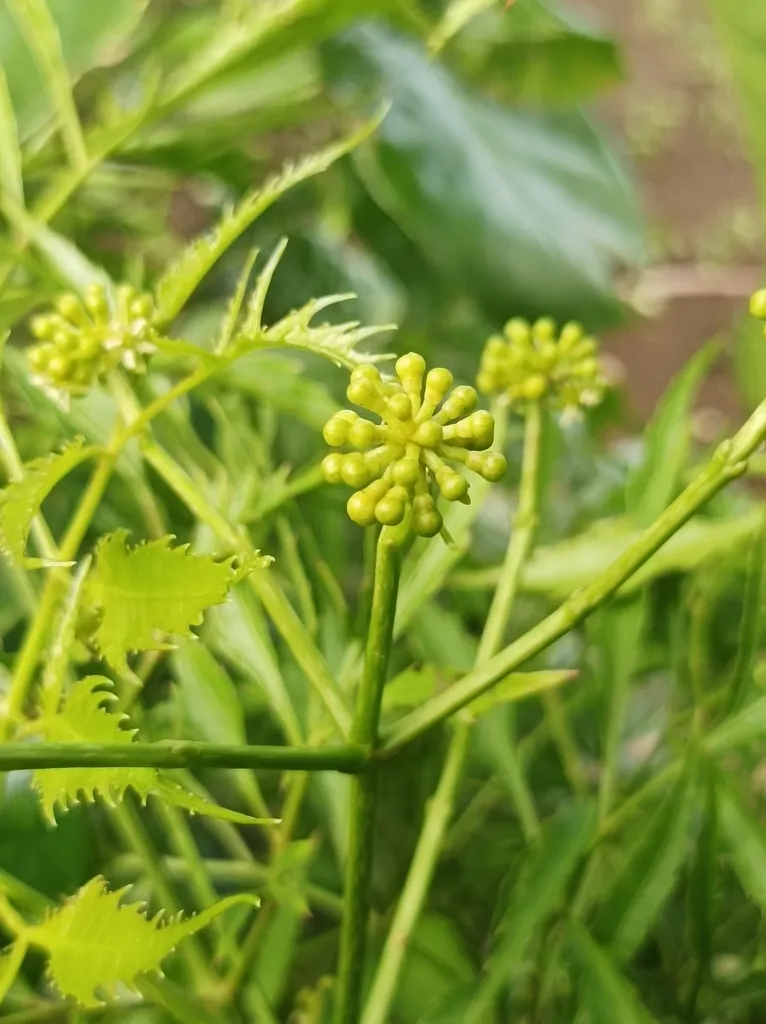
| Care difficulty | 3 / 5 |
|---|---|
| Watering schedule | Keep soil evenly moist, avoid standing water |
| Sunlight requirements | Bright indirect light |
| Ideal temperature | 18 – 27 °C |
| Soil type | Loam · Peat |
| Soil pH | Acid · Neutral |
| Soil moisture | Moist but well drained |
| Fertilizing | Monthly in spring and summer |
| Toxicity | Toxic to pets if ingested; may cause vomiting, diarrhea, or drooling. Keep out of reach of cats and dogs. |
How to Water Ming Aralia?
Originating from the Pacific Islands, ming aralia thrives in humid environments, mirroring its tropical rainforest origins. This species is well-adapted to moderate moisture levels and can withstand brief periods of dryness. Care should involve watering once every 1-2 weeks, allowing the soil to dry slightly between sessions. Commonly cultivated indoors due to its ornamental appeal, ming aralia benefits from regular misting to maintain ambient humidity, which supports its evergreen foliage and promotes a lush appearance.
Learn more →What Are the Sunlight Requirements for Ming Aralia?
Ming aralia thrives in partial sun conditions, where it receives dappled light or bright but indirect sunlight. While ming aralia can tolerate a range from full sun to full shade, its growth is optimized under partial sun exposure, ideally lasting for a few hours each day. In full sun, ming aralia may endure some stress, leading to potential leaf scorch. Conversely, in full shade, it might exhibit leggy growth and reduced vitality. When grown indoors, ming aralia prefers well-lit locations without direct afternoon sun. Outdoors, ming aralia should be planted in a spot that mimics its native understory habitat, offering protection from harsh midday rays while providing the gentle morning or late afternoon sun.
Learn more →What Is the Ideal Temperature Range for Ming Aralia?

Ming aralia demonstrates moderate resilience to temperature variations, tolerating cold down to 5℃ (41℉) and heat up to 43℃ (109℉). Its ability to withstand these extremes influences care needs; for instance, protection against frost is vital below 5℃, and shading or increased watering is crucial during intense heat. Symptoms of overcooling include leaf drop and wilting, while overheating can cause leaf scorch and browning tips. To counteract these, bring ming aralia indoors during frosty weather and ensure adequate hydration and ventilation in heat waves. These measures enhance its thriving potential across diverse environments.
Learn more →What Soil Is Best for Ming Aralia?
Ming aralia thrives in well-drained soil. A suitable mix includes equal parts of peat, perlite, and pine bark. If pine bark is unavailable, coconut coir can be substituted. Ensure good drainage by incorporating perlite or gravel at the pot's base. Use a balanced, slow-release fertilizer biannually to encourage growth but avoid over-fertilizing to prevent root damage. Maintain consistent moisture without waterlogging.
- Soil type
- Loam · Peat
- Soil pH
- Acid · Neutral
What Are the Moisture Requirements for Ming Aralia?
Moist but well drained
Learn more →How to Fertilize Ming Aralia?

For ming aralia, a high nitrogen fertilizer supports lush foliage growth. Apply a balanced formula, like 7-9-5, every 4 weeks during spring and summer, tapering off in fall and withholding in winter to respect its growth cycle. Adopt a half-strength dilution to prevent over-fertilization, ensuring ming aralia's delicate roots aren't harmed. Seasonal adjustments in feeding correlate with ming aralia's active and dormant periods, optimizing resource absorption and vitality. Wear gloves, as ming aralia is sensitive to chemical exposure, and water soil before fertilizing to avoid root burn. For novices and experts, consistent feeding within these guidelines promotes ming aralia's robust health.
Learn more →How to Prune Ming Aralia?

Ming aralia, known for its finely divided, feathery foliage, thrives with regular pruning. Trim in early to late winter when the plant is dormant to promote healthier growth and a fuller shape. Focus on removing dead or overgrown branches, maintaining its elegant structure. Pruning encourages denser foliage and prevents legginess. Use clean, sharp tools to avoid damage and potential disease. Consistent pruning leads to a robust, aesthetically pleasing plant.
Learn more →How to Propagate Ming Aralia?

Ming aralia's best propagation season is spring and summer. It is typically propagated through cuttings and can be mildly difficult. Successful propagation is indicated by new healthy leaf growth. Carefully select a healthy branch for optimal results.
Learn more →How to Transplant Ming Aralia?
The ideal time to transplant ming aralia is during early to mid-spring or mid-fall to early winter, as these seasons promote successful root establishment. Choose a well-draining location with partial shade. When transplanting, gently loosen the root ball to encourage new root growth.
Learn more →How to Care for Ming Aralia in Winter?

Ming aralia hails from balmy tropical climates with no winter. Naturally blessed with a resilience against cold, it handles lower temperatures reasonably well. For winter care, gardeners need to ease the plant into a semi-dormant state. Don't overwater; just maintain humidity levels. If the temperatures dip dramatically, consider moving it to a warmer spot. Remember, ming aralia enjoys a bright spot away from drafty windows and doors.
Learn more →How to Plant Ming Aralia?
Indoors-potted: To maintain ming aralia's elegant foliage indoors, ensure adequate humidity by placing it near a humidifier or on a pebble tray. Outdoors-potted: Ming aralia thrives outdoors in pots; rotate the plant regularly for even growth and to prevent leaning towards light sources. Outdoors-in the ground: Ming aralia, when planted in the ground, requires shelter from strong winds which can damage its delicate leaves.
Learn more →How to Repot Ming Aralia?
Repot ming aralia every 2-3 years to accommodate its upright shrub form, which can reach a notable size. Spring repotting aligns with its growth spurt, vital for minimizing stress. Use a slightly larger, well-draining pot to prevent root-bound issues. Post-repotting, maintain humid conditions and partial shade to support ming aralia's delicate roots and foliage. Follow these steps for a lush, healthy specimen.
Learn more →Common Pests & Diseases

Diseases
Susceptible to root rot if overwatered, and leaf spot diseases under poor air circulation.
Pests
Common pests include aphids, spider mites, and scale insects, especially in dry indoor air.
Explore the plant health library →Troubleshooting
Yellowing Leaves, Brown Tips, or Sudden Leaf Drop
Ming Aralia (Polyscias fruticosa) is a woody tropical foliage shrub/tree sensitive to sudden leaflet drop triggered by relocation, drafts, low humidity, or soggy soil.
| What you notice | Possible explanation | What to check next |
|---|---|---|
| Lower leaves turn yellow and drop while the potting mix stays wet and heavy | Overwatering, blocked drainage, or cold room drafts damaging roots | Feel two inches into the soil and check for standing water in the outer cachepot |
| Green or yellow leaflets drop suddenly after moving the pot or seasonal heating changes | Environmental shock from drafts, temperature swings, or sudden light/humidity drop | Review water source and recent placement changes |
| One or two oldest bottom leaves yellow slowly on an otherwise vigorous tall cane | Normal lower leaf shedding as the woody stem matures | Confirm upper canopy leaves are firm, glossy, and well-colored |
- Allow the top one to two inches of well-draining potting mix to dry before watering thoroughly, and empty excess water from saucers or decorative outer pots.
- Place in bright, indirect light away from cold window drafts, exterior doors, and direct heating vents.
- Keep location, temperature (above 15°C / 59°F), and moderate humidity consistent rather than moving the plant frequently.
Stop watering and unpot immediately if the main cane feels soft, wrinkled, or spongy at the base.
Sticky Leaves, Scale Bumps, or Fine Webbing
Indoor woody foliage plants frequently attract scale insects, mealybugs, or spider mites, especially in dry winter air.
| What you notice | Possible explanation | What to check next |
|---|---|---|
| Brown or tan shell-like bumps along stems and leaf midribs with sticky honeydew | Scale insects feeding on plant sap | Check if the bumps scrape off gently with a fingernail |
| Fine webbing or speckled dull foliage on leaf undersides | Spider mites thriving in warm, dry air | Inspect leaf undersides and wipe with a damp white cloth |
| White cottony tufts in leaflet axils | Mealybugs | Examine petiole junctions and young shoot tips |
- Isolate the plant immediately from other houseplants.
- Wipe stems and leaf surfaces thoroughly with a damp cloth, dabbing visible scale or mealybugs with rubbing alcohol on a cotton swab.
- Apply insecticidal soap or horticultural oil strictly according to label directions, covering leaf undersides and woody stems.
Consult a local extension office or discard heavily scale-encrusted woody stems if infestations persist.
The Toxicity of Ming Aralia
Toxic to pets if ingested; may cause vomiting, diarrhea, or drooling. Keep out of reach of cats and dogs.