
Ming Aralia
Also known as: Ming Aralia, Parsley Panax
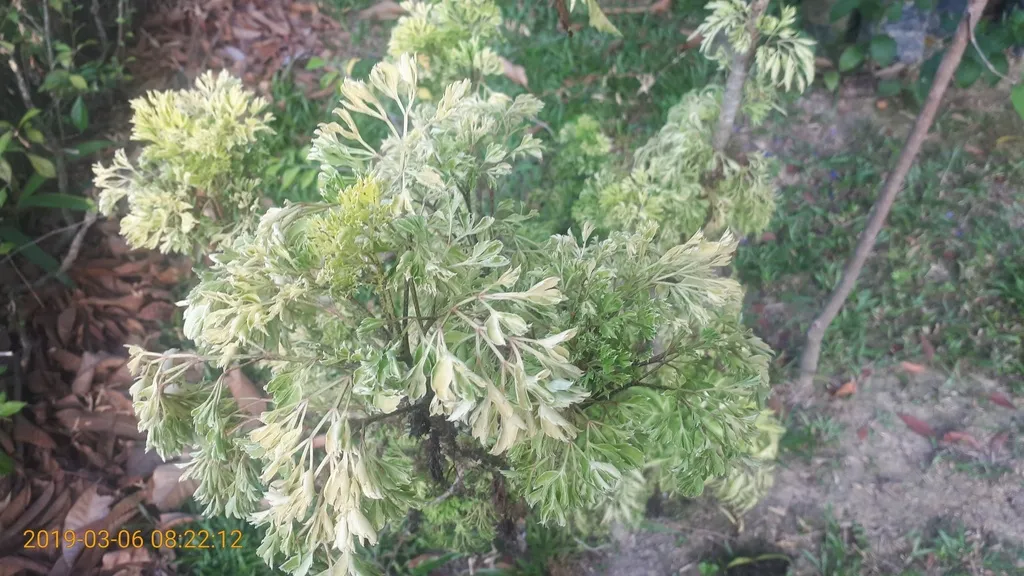
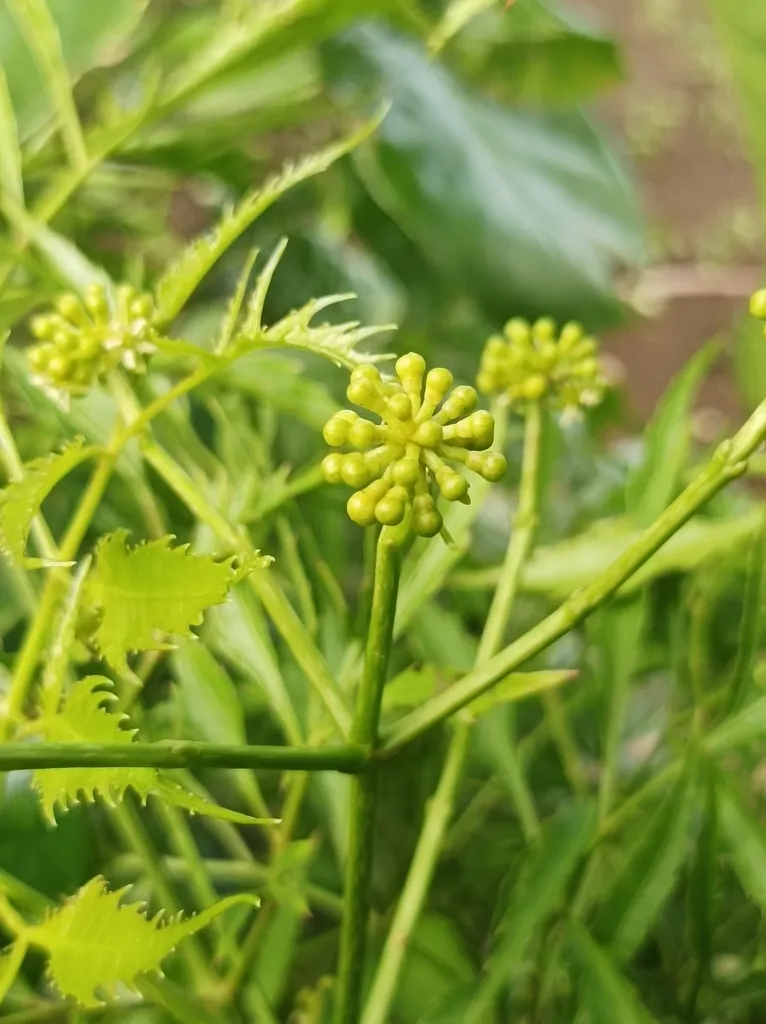
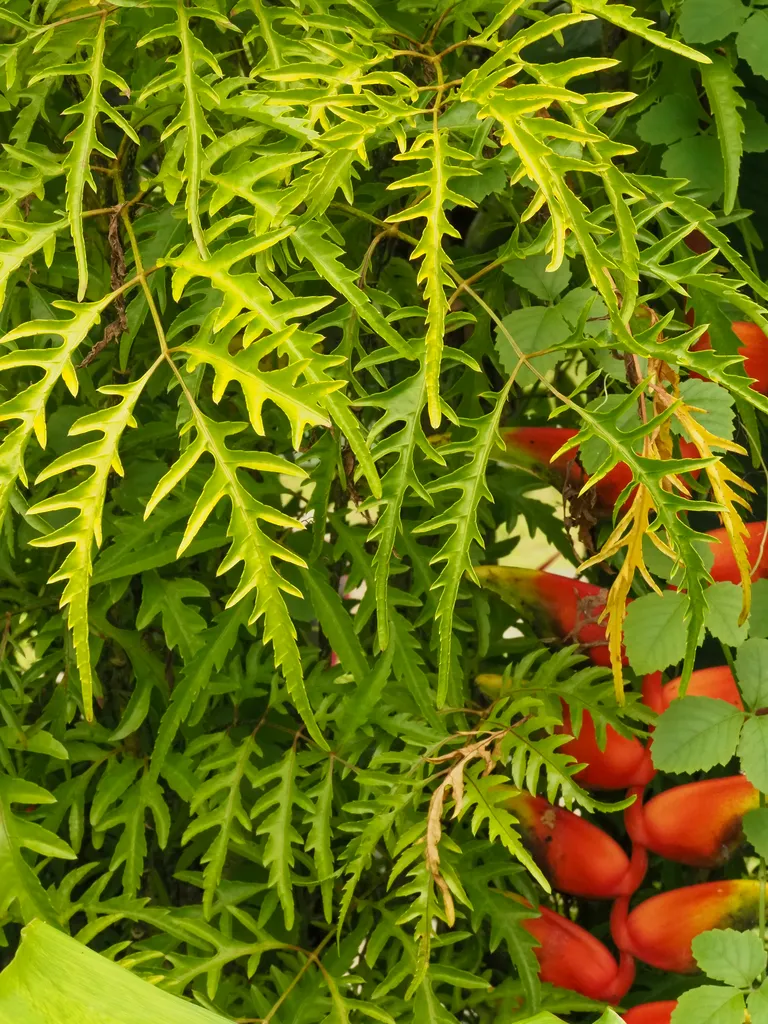
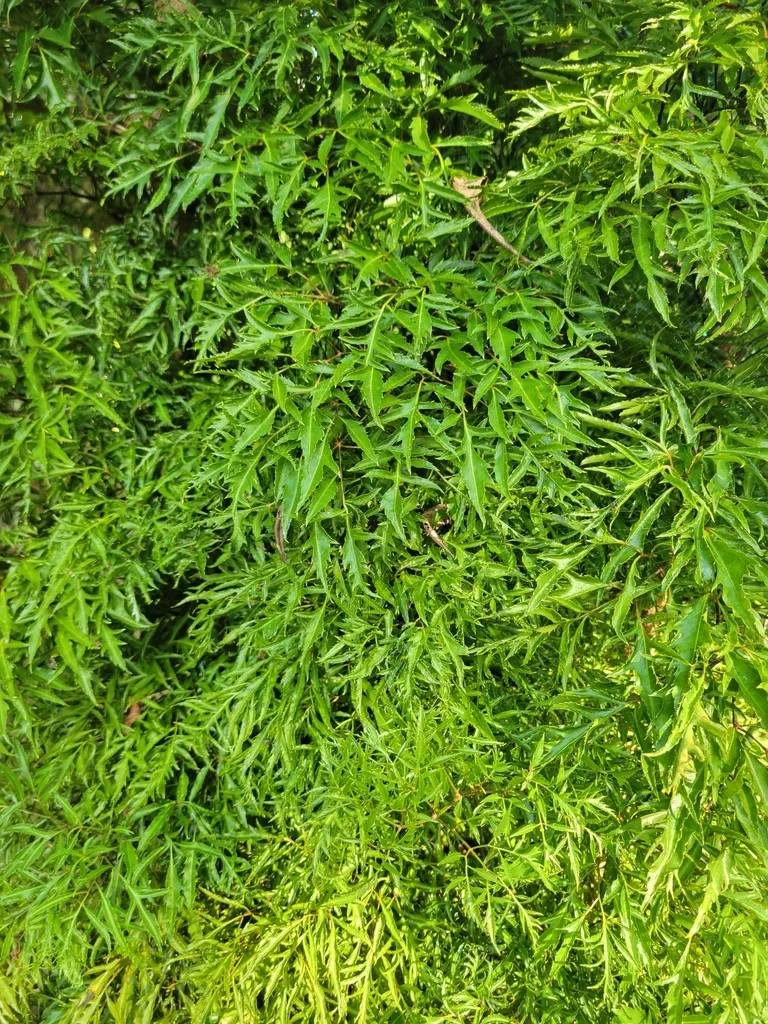
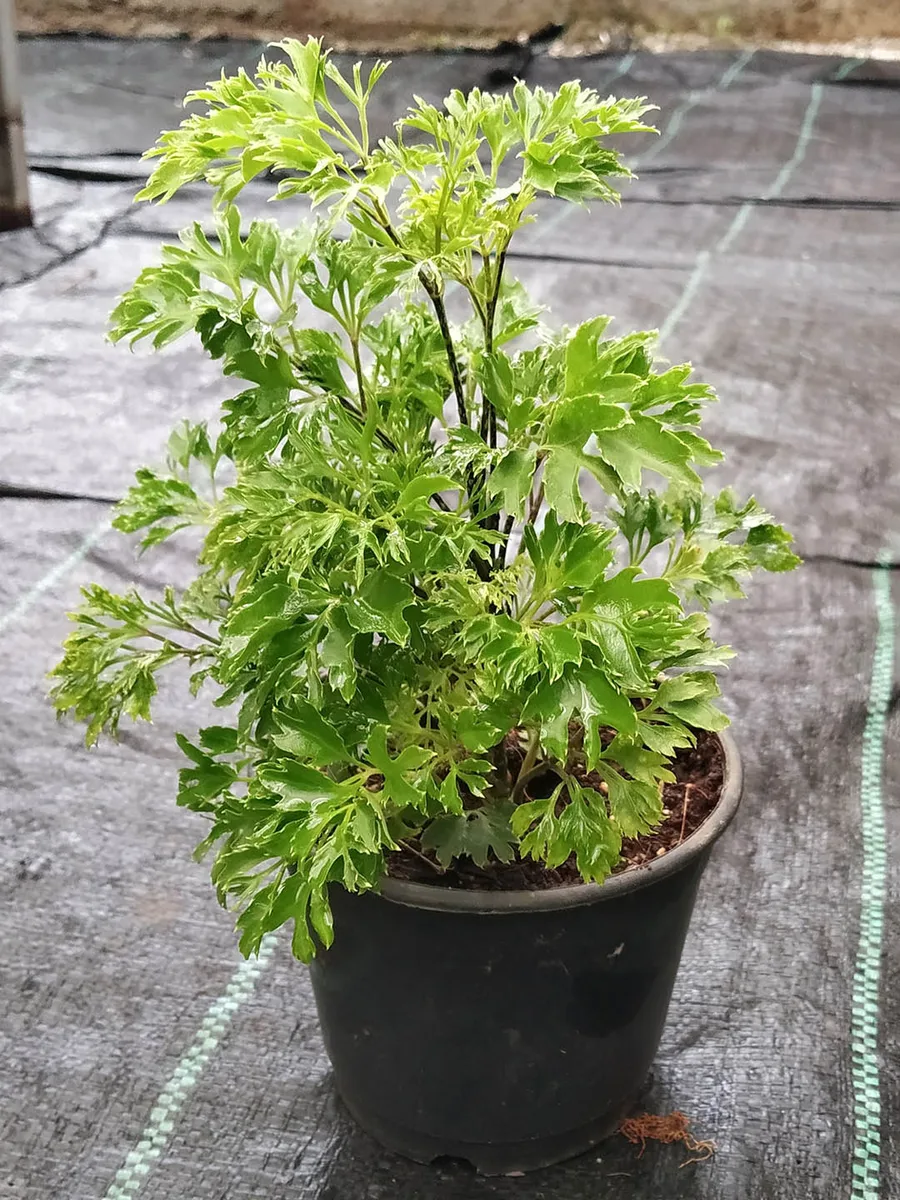
Ming Aralia is an evergreen shrub with finely divided, fern-like leaves that create a delicate, airy texture. It has an upright, bushy habit and can reach 1–2 meters indoors. The stems are woody and branched, and small, inconspicuous flowers may appear in summer but are rarely seen on indoor specimens. Its elegant foliage makes it a popular choice for adding a tropical feel to interiors.
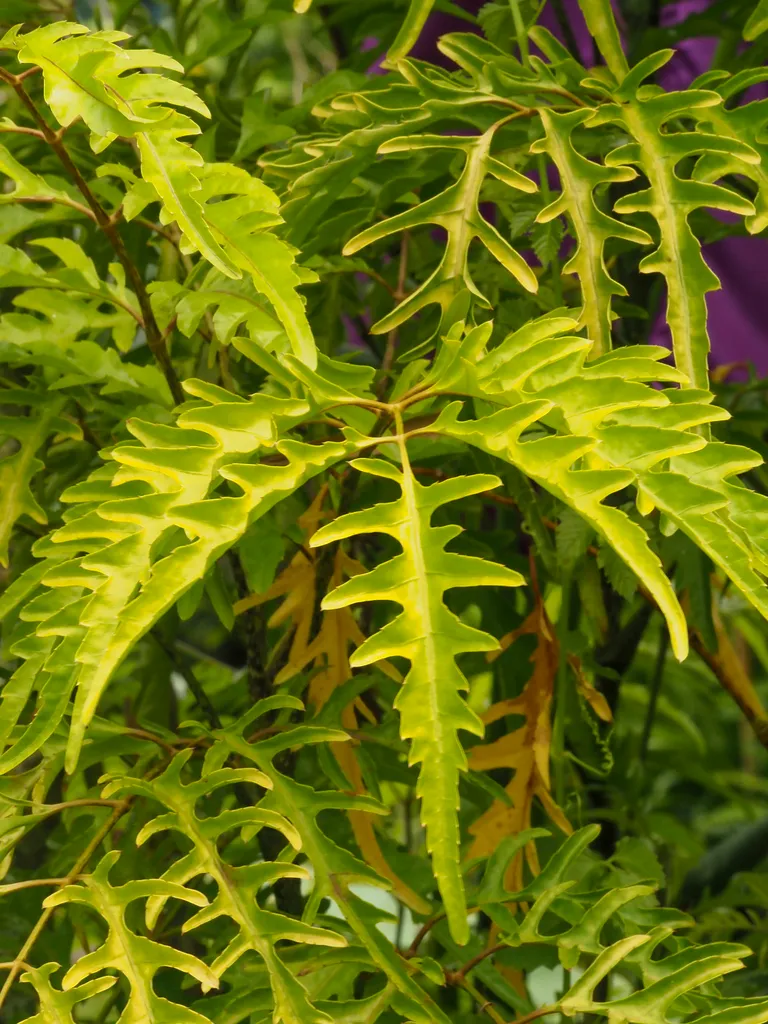
Scientific classification
- Species
- Ming Aralia (Polyscias fruticosa)
- Genus
- Polyscias
- Family
- Araliaceae
- Order
- Apiales
- Class
- Magnoliopsida
- Phylum
- Magnoliophyta
- Toxic to pets if ingested; may cause vomiting, diarrhea, or drooling. Keep out of reach of cats and dogs.
- Toxicity
- Foliage · Shrubs · Houseplants
- Plant type
- 1 - 2 metres
- Height
- 0.6 - 1 metres
- Spread
- Evergreen
- Foliage
- Upright · Bushy
- Habit
- Spring · Summer · Autumn
- Season of interest
- Bright indirect light
- Sunlight
- 18 – 27 °C
- Ideal temperature









Ming Aralia pictures
Distribution of Ming Aralia
Distribution map
- Native
- Introduced
- Cultivated
Source:WCVP v16 · Royal Botanic Gardens, Kew · CC BY 3.0 · Boundaries:WGSRPD / TDWG
Toxicity
Toxic to pets if ingested; may cause vomiting, diarrhea, or drooling. Keep out of reach of cats and dogs.
Ming Aralia care guide
- Keep soil evenly moist, avoid standing water
- Watering
- Bright indirect light
- Sunlight
- 18 – 27 °C
- Ideal temperature

Watering
Keep soil evenly moist, avoid standing water
Fertilizing
 Fertilizing
Monthly in spring and summer
Pruning
 Pruning
Prune in early spring to maintain shape and encourage bushiness. Cut back leggy stems just above a leaf node.
Propagation
 Propagation
Propagate by semi-ripe stem cuttings in spring or summer. Take cuttings 8–10 cm long, remove lower leaves, and insert into moist cutting compost. Keep at 20–25°C (68–77°F) with high humidity; roots usually form within 4–6 weeks.
Growing
 Growing
Grow in bright, indirect light; avoid direct sun which can scorch the leaves. Use a well-drained, peat-based potting mix and water moderately, allowing the top centimetre of soil to dry between waterings – overwatering leads to root rot. Maintain high humidity by misting or placing on a pebble tray. Feed monthly with a balanced liquid fertiliser during the growing season (spring to autumn). In winter, reduce watering and stop fertilising. Minimum temperature 15°C (59°F); keep away from cold draughts.
Common pests and diseases
Diseases
Susceptible to root rot if overwatered, and leaf spot diseases under poor air circulation.
Pests
Common pests include aphids, spider mites, and scale insects, especially in dry indoor air.
Explore the plant health library →




