



Planting and Growing Buddhist Pine

| Care difficulty | 3 / 5 |
|---|---|
| Watering schedule | Water when soil is dry to touch, drought-tolerant once established |
| Sunlight requirements | Full sun · Partial shade |
| Ideal temperature | 15 – 25 °C |
| Soil type | Loam · Sand |
| Soil pH | Acid · Neutral |
| Soil moisture | Moist but well drained |
| Fertilizing | Monthly during growing season |
| Toxicity | All parts, especially the fleshy aril, are toxic if ingested. Keep away from children and pets. |
How to Water Buddhist Pine?
Originating from humid subtropical regions, buddhist pine thrives in environments that mimic its native moist conditions but exhibits a notable resilience to less frequent watering. It maintains a delicate balance, tolerating mild drought by adapting its water storage strategies. Watering for buddhist pine should be done once every 1-2 weeks, ensuring the soil remains lightly moist without becoming waterlogged. Typically grown as an ornamental indoor plant due to its evergreen nature, buddhist pine benefits significantly from periodic misting to replicate the humidity of its natural habitat.
Learn more →What Are the Sunlight Requirements for Buddhist Pine?
Buddhist pine flourishes in environments with ample full sun exposure. Optimum growth is achieved with extended periods of bright light, underlining the importance of well-lit locations. Although buddhist pine exhibits a notable resilience to varying light intensities, thriving in both partial sun and full shade, the plant's health can be impacted by less than ideal light settings. Under lower light conditions, buddhist pine may experience slower growth rates and reduced vigor. When planted outdoors, buddhist pine should occupy spaces that are drenched in sunlight for the better part of the day. For indoor cultivation, which is less common, buddhist pine would require placement in a location where natural light abounds, such as a southern or western window, to mimic its natural preference for brightness.
Learn more →What Is the Ideal Temperature Range for Buddhist Pine?

Buddhist pine exhibits notable resilience against temperature fluctuations, enduring cold down to -5°C (23°F) and heat up to 43°C (109°F). This tolerance indicates buddhist pine's suitability for diverse climates, although extreme cold or heat necessitates protective measures such as mulching or watering adjustments. Signs of cold damage include leaf browning and drop, while excessive heat may lead to leaf scorch and wilting. To counteract overcooling, insulate the plant with burlap or move it indoors; in high heat, ensure ample watering and partial shade. Understanding these temperature tolerances helps optimize care for buddhist pine in varying environmental conditions.
Learn more →What Soil Is Best for Buddhist Pine?
Buddhist pine thrives in well-draining soil with good aeration. A suitable soil mix can be prepared by combining garden soil, perlite, and organic compost in equal parts. If perlite is unavailable, coarse sand is a good alternative. Ensure proper drainage by adding a layer of gravel at the pot's base. Enhance growth with a balanced liquid fertilizer monthly during the growing season. Avoid water-logging to prevent root rot.
- Soil type
- Loam · Sand
- Soil pH
- Acid · Neutral
What Are the Moisture Requirements for Buddhist Pine?
Moist but well drained
Learn more →How to Fertilize Buddhist Pine?

For buddhist pine, apply a balanced fertilizer monthly during growth phases in spring and summer, decreasing to quarterly in fall and pausing in winter. Benefits include enhanced vitality and foliage density. Use a diluted solution to prevent root burn, closely following package instructions for the quantity. Adjust fertilization based on buddhist pine's response, ensuring soil is moist before application. Over-fertilization leads to salts buildup; if signs occur, flush soil with water. For seedlings and young plants, use a fertilizer with a higher nitrogen content to support foliage development.
Learn more →How to Prune Buddhist Pine?

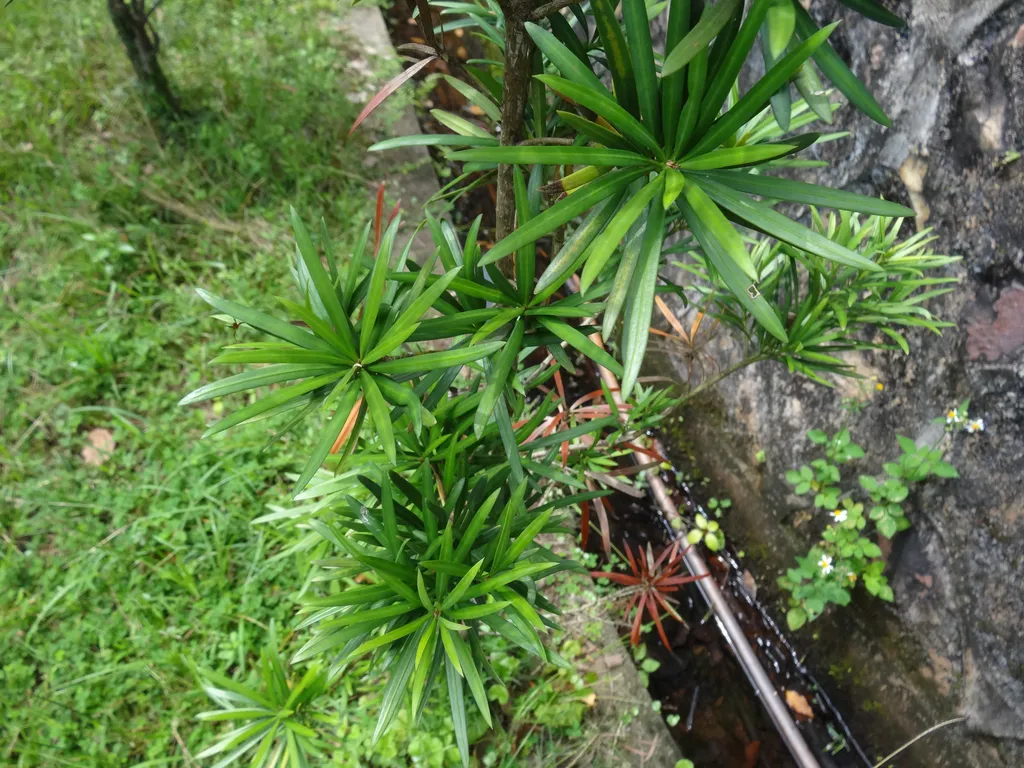
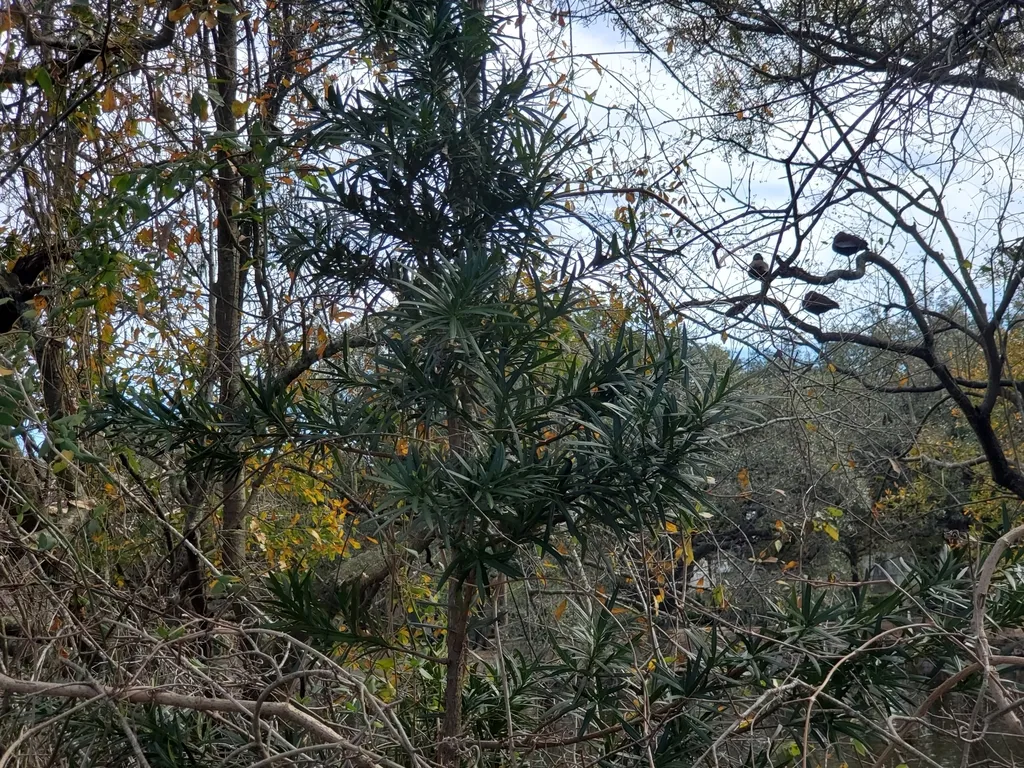
Known for its dense, evergreen foliage and columnar shape, buddhist pine benefits from pruning in early to late winter. Remove dead or damaged branches and thin out crowded areas to promote air circulation. Trim selectively to maintain its natural form and control height. Regular pruning encourages healthier growth and prevents pest infestations. These steps ensure buddhist pine remains a striking, well-shaped addition to gardens, offering both aesthetic appeal and structural integrity.
Learn more →How to Propagate Buddhist Pine?

Buddhist pine is a versatile evergreen that thrives under a well-executed propagation routine. This species benefits from cuttings, ideally with semi-hardwood stems. Select a healthy, non-flowering shoot and cut a 4-6 inch portion with a sharp, sterilized tool to avoid infection. Remove the lower leaves and treat the base with rooting hormone to expedite root growth. Plant the cutting in a moist, well-draining potting mix, providing consistent warmth and humidity. Rooting typically occurs within a few weeks, after which gradual acclimatization to less controlled environments supports robust development.
Learn more →How to Transplant Buddhist Pine?
The perfect time to transplant buddhist pine is from late summer to early autumn when temperatures are cooler. This evergreen perennial thrives in partial shade to full sun locations. Remember to choose a well-draining site to help ensure successful transplanting.
Learn more →How to Care for Buddhist Pine in Winter?

Buddhist pine hails from the mild, humid regions of Japan and Southern China, natively adapting to winter by shedding older leaves and prioritizing new growth in the spring. For gardeners, buddhist pine requires well-drained soil and some protection from frosts and extreme cold. Providing a mulch layer for root insulation and minimal winter watering can help buddhist pine thrive until the warmth of spring returns.
Learn more →How to Plant Buddhist Pine?
Indoors-potted: When potted indoors, buddhist pine thrives with a consistent routine; rotate the pot periodically for balanced growth. Outdoors-potted: In an outdoor pot, buddhist pine requires ample space as its roots are robust and expansive, signaling when it's time to size up. Outdoors-in the ground: Buddhist pine, once established outdoors, is resilient and low-maintenance but benefits from protection against strong winds which can damage its foliage.
Learn more →How to Repot Buddhist Pine?
Repot buddhist pine, a robust, upright grower, every 2-3 years to allow continued root development. Ideal repotting time is during spring, before the growth phase. Use a container size that accommodates the root ball with some additional space for expansion. Post-repot, provide bright, indirect light and ensure consistent moisture without waterlogging. These steps ensure a seamless transition and maintain buddhist pine's vigor.
Learn more →How to Harvest Buddhist Pine?

Information to be completed
Learn more →Common Pests & Diseases

Diseases
Generally disease-free, but can suffer from root rot in poorly drained soils. Watch for needle blight in humid conditions.
Pests
Susceptible to scale insects, mealybugs, and spider mites, especially when grown under cover or in dry indoor conditions.
Explore the plant health library →The Toxicity of Buddhist Pine
All parts, especially the fleshy aril, are toxic if ingested. Keep away from children and pets.