
Buddhist Pine
Also known as: Buddhist Pine, Yew Pine, Southern Yew
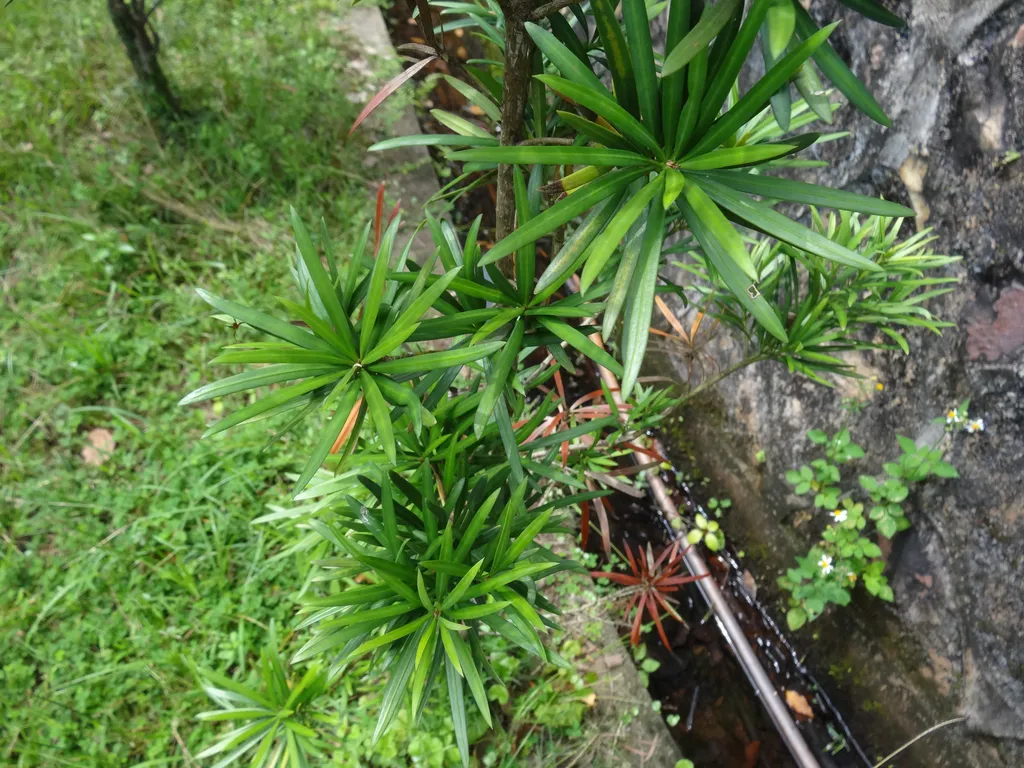
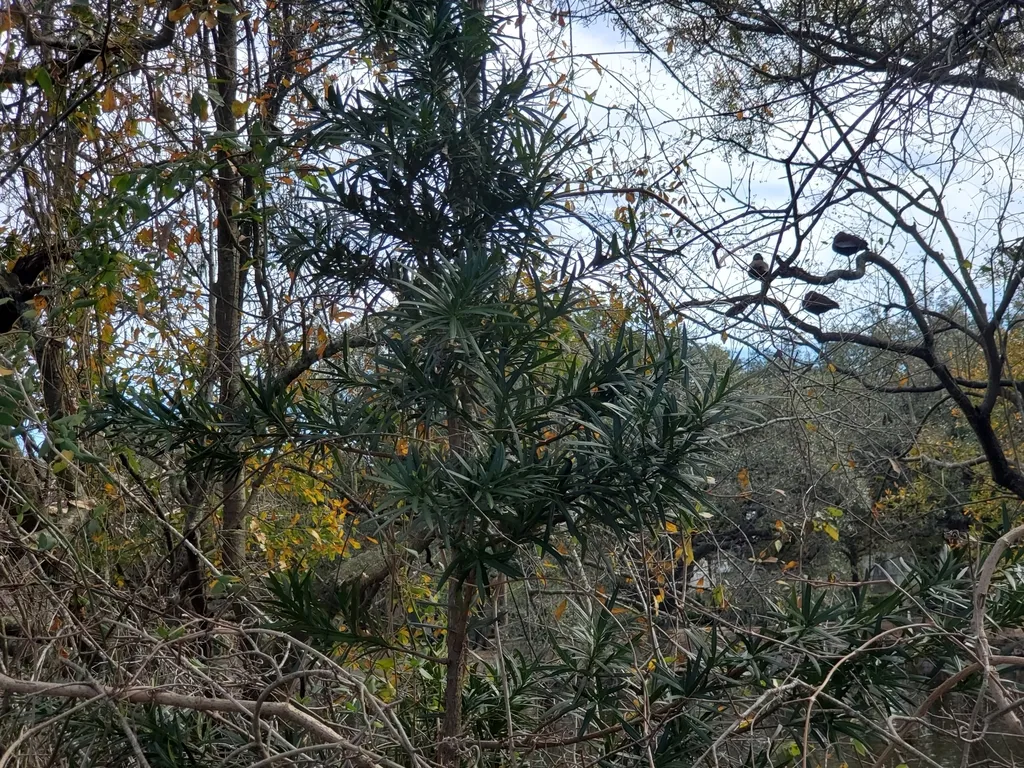
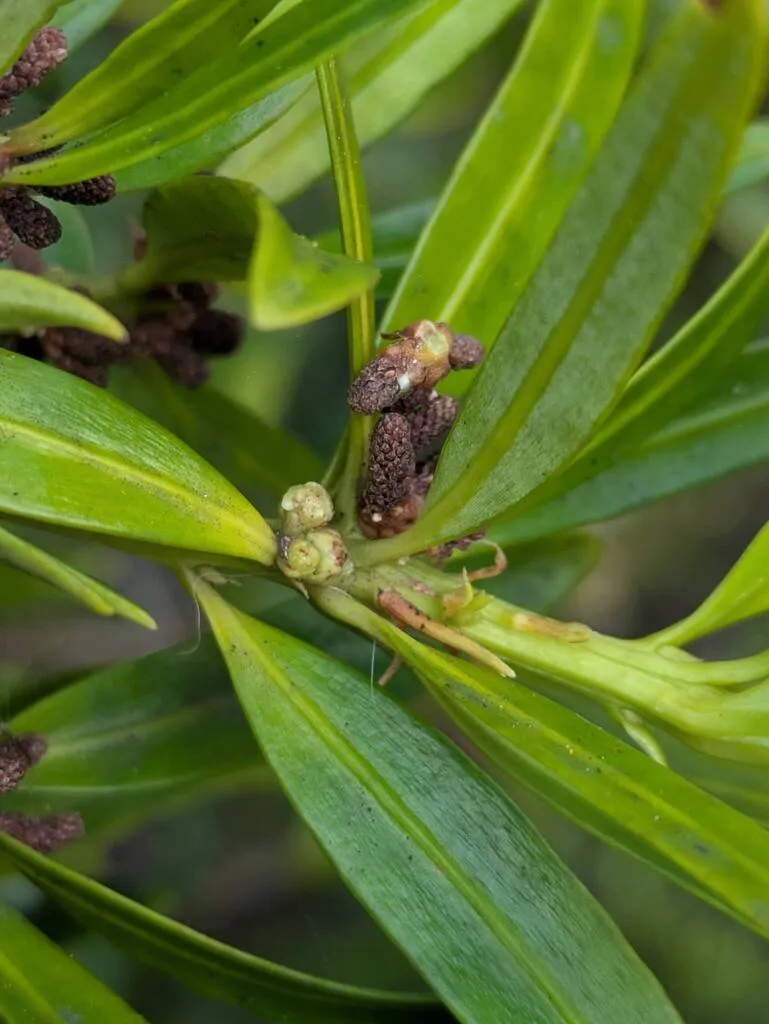
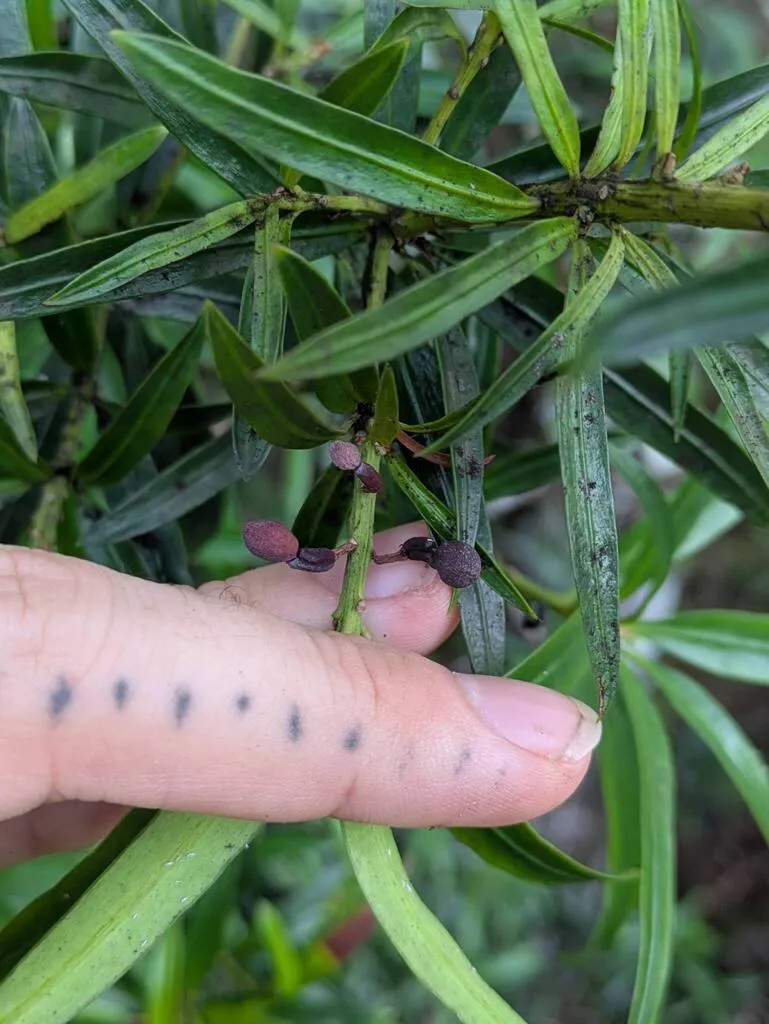
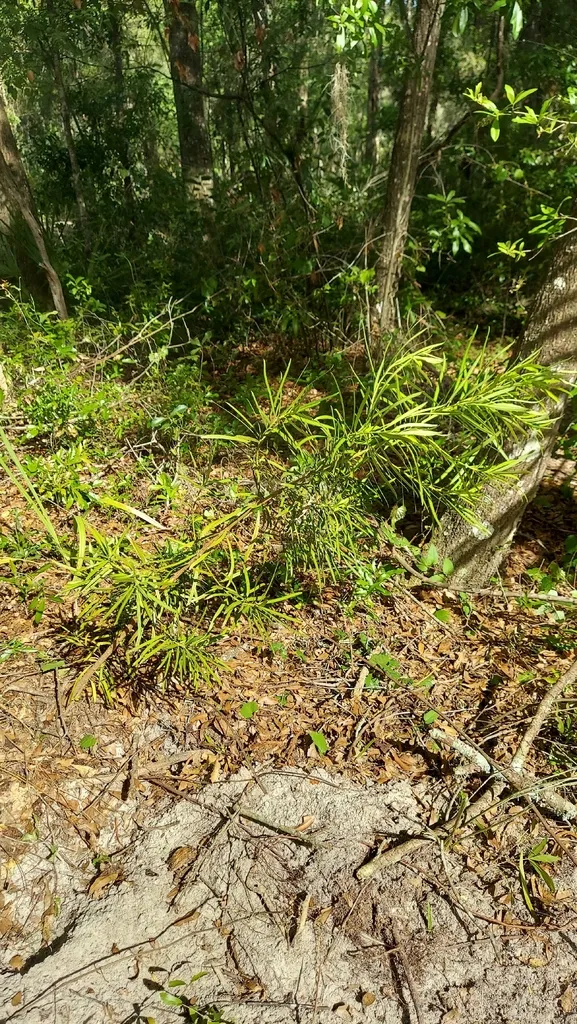
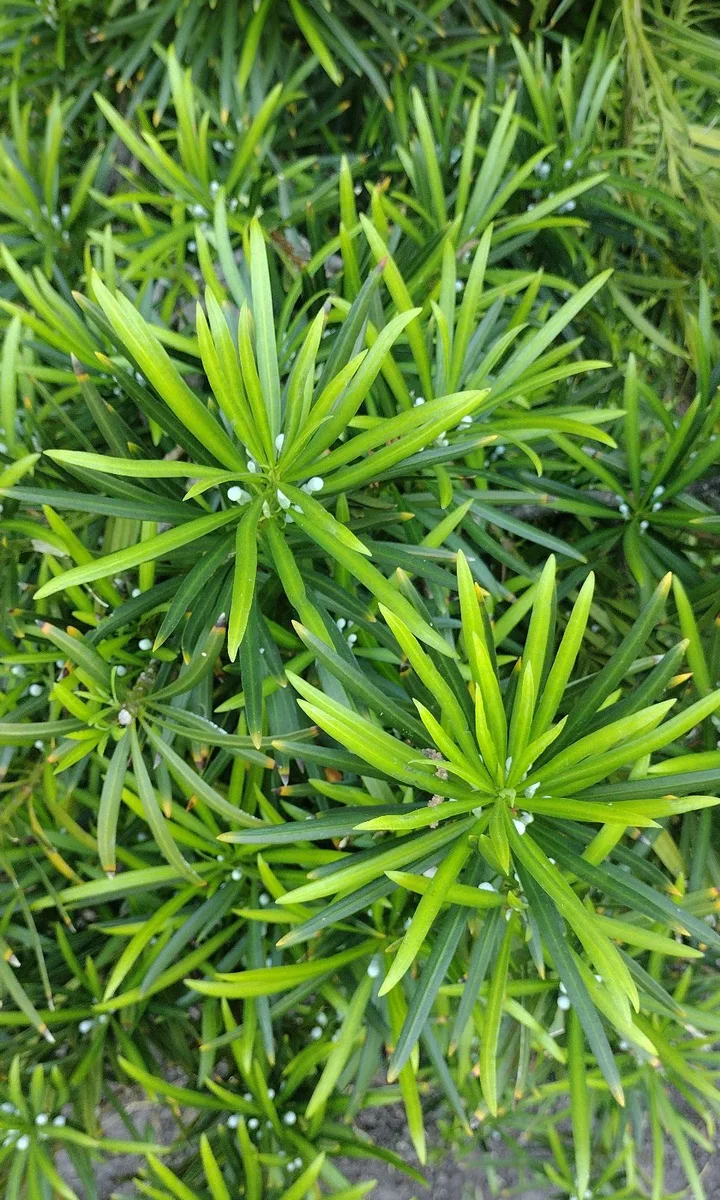
Podocarpus macrophyllus is an evergreen conifer with narrow, leathery, dark green leaves that resemble yew. It develops a dense, upright to columnar habit, often branching from the base. Male cones are catkin-like, while female trees produce fleshy, plum-like purple-blue cones (arils) on mature specimens. Its fine texture and tolerance of pruning make it a versatile ornamental for both formal and relaxed settings.
Scientific classification
- Species
- Buddhist Pine (Podocarpus macrophyllus)
- Genus
- Podocarpus
- Family
- Podocarpaceae
- All parts, especially the fleshy aril, are toxic if ingested. Keep away from children and pets.
- Toxicity
- Conifers · Tree · Foliage
- Plant type
- 2.0 - 5.0 metres
- Height
- 1.5 - 3.0 metres
- Spread
- Evergreen
- Foliage
- Upright · Columnar upright
- Habit
- Spring · Summer · Winter
- Season of interest
- Full sun · Partial shade
- Sunlight
- 15 – 25 °C
- Ideal temperature









Buddhist Pine pictures
Distribution of Buddhist Pine
Distribution map
Southern China, Japan, Myanmar, Taiwan
Information to be completed
Culture
Information to be completed
Toxicity
All parts, especially the fleshy aril, are toxic if ingested. Keep away from children and pets.
Quick identification of Buddhist Pine
Information to be completed
Buddhist Pine care guide
- Water when soil is dry to touch, drought-tolerant once established
- Watering
- Full sun · Partial shade
- Sunlight
- 15 – 25 °C
- Ideal temperature

Watering
Water when soil is dry to touch, drought-tolerant once established
Fertilizing
 Fertilizing
Monthly during growing season
Pruning
 Pruning
Prune in late winter or early spring to shape or remove dead branches. It responds well to hard pruning and can be trimmed into formal hedges or topiary forms.
Propagation
 Propagation
Semi-ripe cuttings taken in late summer with bottom heat (20-25°C) root readily. Seeds can also be sown in spring after removing the fleshy aril, but germination may be slow and erratic. Layering is another reliable method for home gardeners.
Growing
 Growing
Grow in moist but well-drained, slightly acidic to neutral soil in full sun or partial shade. It is tolerant of a wide range of soil types, including loam and sand, but avoid waterlogged conditions. Water regularly during the first growing season to establish a deep root system; once established, it can tolerate short dry periods. Apply a balanced slow-release fertilizer in spring. In colder regions, provide winter protection (e.g., mulch or fleece) if temperatures drop below -10°C.
People also ask
Information to be completed
Common pests and diseases
Diseases
Generally disease-free, but can suffer from root rot in poorly drained soils. Watch for needle blight in humid conditions.
Pests
Susceptible to scale insects, mealybugs, and spider mites, especially when grown under cover or in dry indoor conditions.
Explore the plant health library →




