



Planting and Growing Tick-trefoil

| Care difficulty | 1 / 5 |
|---|---|
| Watering schedule | Water moderately, allowing soil to dry between waterings |
| Sunlight requirements | Full sun · Partial shade |
| Ideal temperature | 20 – 30 °C |
| Soil type | Loam · Sand |
| Soil pH | Neutral |
| Soil moisture | Well-drained |
| Fertilizing | Rarely needed; apply light fertilizer in spring if needed |
| Toxicity | Non-toxic |
How to Water Tick-trefoil?
Thriving in its native tropical climates, threeflower ticktrefoil is accustomed to consistent moisture and high humidity. This species exhibits a preference for regular hydration but can tolerate brief dry spells, maintaining a balance between drought resistance and moisture reliance. Accordingly, it benefits from watering every week. As an herbaceous plant often found outdoors, threeflower ticktrefoil requires well-draining soil to prevent waterlogging, which aligns with its need for frequent yet not excessive watering.
Learn more →What Are the Sunlight Requirements for Tick-trefoil?
Threeflower ticktrefoil thrives best in full sun conditions, receiving unfiltered sunlight for at least six hours each day to support robust growth and optimum health. While threeflower ticktrefoil can tolerate partial sun, where it receives some shade during the day, prolonged lack of direct sunlight might result in reduced vigor and sparse flowering. This plant adapts to varying light intensities by adjusting leaf orientation to optimize light capture. When grown outdoors, threeflower ticktrefoil flourishes in open areas that provide sustained exposure to daylight. Planting threeflower ticktrefoil in an appropriate outdoor location ensures a healthy development and bloom, although it is resilient enough to endure some variation in light exposure.
Learn more →What Is the Ideal Temperature Range for Tick-trefoil?

Threeflower ticktrefoil showcases impressive resilience to temperature variations. It tolerates cold down to 5℃ (41℉) and can endure heat up to 43℃ (109℉). This range implies threeflower ticktrefoil is suitable for diverse climates but may require protective measures in extreme conditions. Symptoms of stress from cold may include leaf yellowing and slowed growth, while excessive heat might cause wilting and brown leaf edges. To counteract overcooling, use mulch and cover the plant during frosty periods. For overheating, ensure adequate watering and provide shade. Understanding these temperature tolerances helps in optimizing threeflower ticktrefoil's care for thriving growth.
Learn more →What Soil Is Best for Tick-trefoil?
Threeflower ticktrefoil thrives in the tropical and subtropical regions with slightly acidic to neutral soils (pH 6.0-7.0). The typical soil composition includes a mix of sand, loam, and clay, providing good aeration and moderate fertility. For optimal growth, prepare a soil mix with 40% garden soil, 30% sand, and 30% compost. Ensure excellent drainage by adding coarse sand or perlite. Fertilize with a balanced, slow-release fertilizer every 4-6 weeks during the growing season to enhance nutrient availability. This mix mimics threeflower ticktrefoil's natural conditions, promoting healthy growth.
- Soil type
- Loam · Sand
- Soil pH
- Neutral
What Are the Moisture Requirements for Tick-trefoil?
Well-drained
Learn more →How to Fertilize Tick-trefoil?

Fertilize threeflower ticktrefoil with high nitrogen fertilizers to encourage lush growth; a balanced NPK formula can be applied monthly during the growing season. The goal is to support foliage development, particularly in nitrogen-deficient soils. Limit fertilization to half-strength and reduce frequency in colder months to prevent overgrowth. For young plants, a gentler dose will suffice, while established threeflower ticktrefoil benefit from consistent feedings. Apply fertilizers evenly around the plant and water thoroughly. Avoid over-fertilization, which can harm threeflower ticktrefoil and the environment.
Learn more →How to Prune Tick-trefoil?

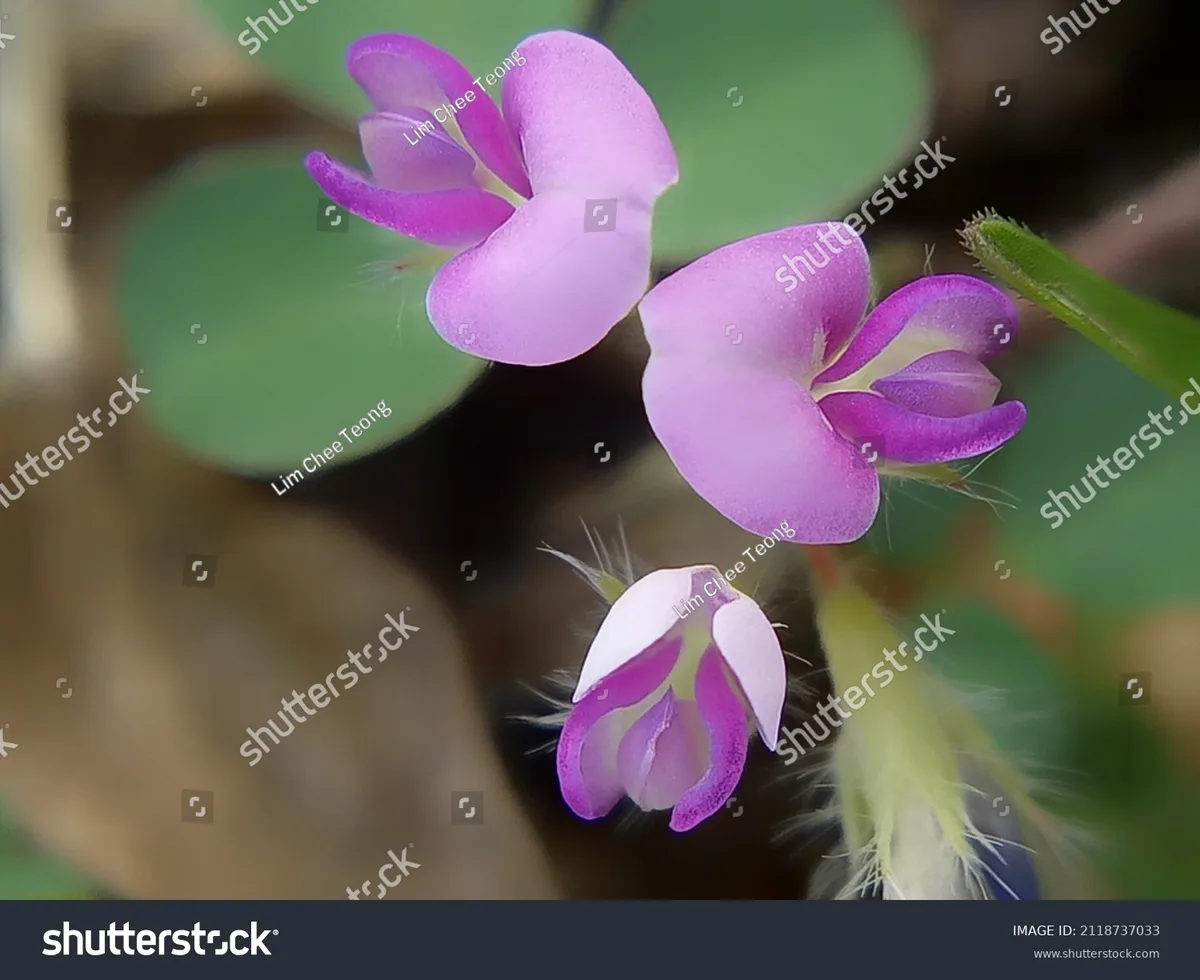
Threeflower ticktrefoil is a low-growing, mat-forming perennial legume with small trifoliate leaves and pinkish-purple flowers. Pruning should be done in early to late spring to encourage healthy growth and flowering. Focus on removing dead or damaged stems and thinning out dense areas to improve air circulation. Pruning helps in controlling its spread and maintaining its shape. Regular pruning promotes vigorous growth and minimizes disease risk. Ensure tools are clean to prevent infection.
Learn more →How to Propagate Tick-trefoil?

Threeflower ticktrefoil is a perennial herb known for its trifoliate leaves and small pink to purple flowers. To propagate threeflower ticktrefoil, sowing is a practical method. Use fresh seeds and lightly cover them with soil in a well-draining pot or bed, ensuring they receive consistent moisture. Seedlings typically emerge quite readily under optimal conditions. Once established, threeflower ticktrefoil may also spread through its creeping stems that root at nodes, thus achieving natural multiplication.
Learn more →How to Transplant Tick-trefoil?
Transplant threeflower ticktrefoil when the frost has retreated, gracing us with the rebirth of vegetation - typically a period symbolic of renewal and growth. Choose a sunny to partial shade spot with well-draining soil. Ensure a gentle hand when relocating to minimize root stress.
Learn more →How to Plant Tick-trefoil?
Plant Desmodium triflorum in well-drained loam or sandy soil in full sun to partial shade. Water moderately during the growing season, allowing the soil to dry slightly between waterings. It is drought-tolerant once established but performs best with regular moisture. In colder regions, protect from frost or grow as a summer annual. Fertilize lightly in spring with a balanced fertilizer.
Learn more →Common Pests & Diseases

Diseases
Generally disease-free, but may be susceptible to root rot in poorly drained soils.
Pests
Occasionally attacked by aphids and spider mites, especially in dry conditions.
Explore the plant health library →Troubleshooting
Leggy Stems, Sparse Flowering, or Root Rot
Tick-trefoil (Desmodium triflorum) performs best in well-drained soil with appropriate sunlight and regular deadheading; soggy soil rots roots, while low light or skipped pinching causes leggy growth.
| What you notice | Possible explanation | What to check next |
|---|---|---|
| Stems stretch tall and floppy with sparse blooms | Insufficient direct sunlight, lack of early-season pinching/deadheading, or excess high-nitrogen fertilizer | Assess daily sun hours and check whether spent flowers are left to set seed |
| Lower leaves turn yellow and plant wilts while soil stays wet and heavy | Root or stem rot from overwatering or poor drainage (Generally disease-free, but may be susceptible to root rot in poorly drained soils.) | Check soil drainage and ensure containers have open drainage holes |
- Grow in fertile, well-drained soil in full sun or partial shade, spacing plants for good airflow.
- Water consistently without waterlogging: Water moderately, allowing soil to dry between waterings.
- Maintain compact flowering growth: Prune lightly in early spring to remove dead or damaged stems. Cut back to control spread if necessary, as it can be vigorous..
Stop watering waterlogged containers immediately and improve drainage before fungal root or stem rot spreads.
Powdery Mildew, Rust, or Aphids and Slugs
Crowded foliage, dry root stress, or damp stagnant air can trigger mildew or rust on Tick-trefoil (Desmodium triflorum), while tender shoots attract pests.
| What you notice | Possible explanation | What to check next |
|---|---|---|
| White powdery coating or rusty/dark spots on leaves in humid or drought-stressed beds | Fungal disease (Generally disease-free, but may be susceptible to root rot in poorly drained soils.) | Inspect lower leaves and spent blooms and check plant spacing |
| Distorted shoot tips with aphids, or ragged holes chewed in young leaves | Common pests (Occasionally attacked by aphids and spider mites, especially in dry conditions.) | Check shoot tips, leaf undersides, and damp ground around the crown |
- Water at the base of the plant early in the day rather than overhead, and divide congested clumps in spring or autumn every 2–3 years.
- Remove diseased leaves and faded flowers promptly, and clear plant debris at season's end.
- Manage aphids with a firm water spray or insecticidal soap per label directions, and protect young shoots from slugs.
Protect frost-tender tubers or half-hardy bedding indoors or under glass before autumn frosts.
The Toxicity of Tick-trefoil
Non-toxic