



Planting and Growing Golden Torch Cactus

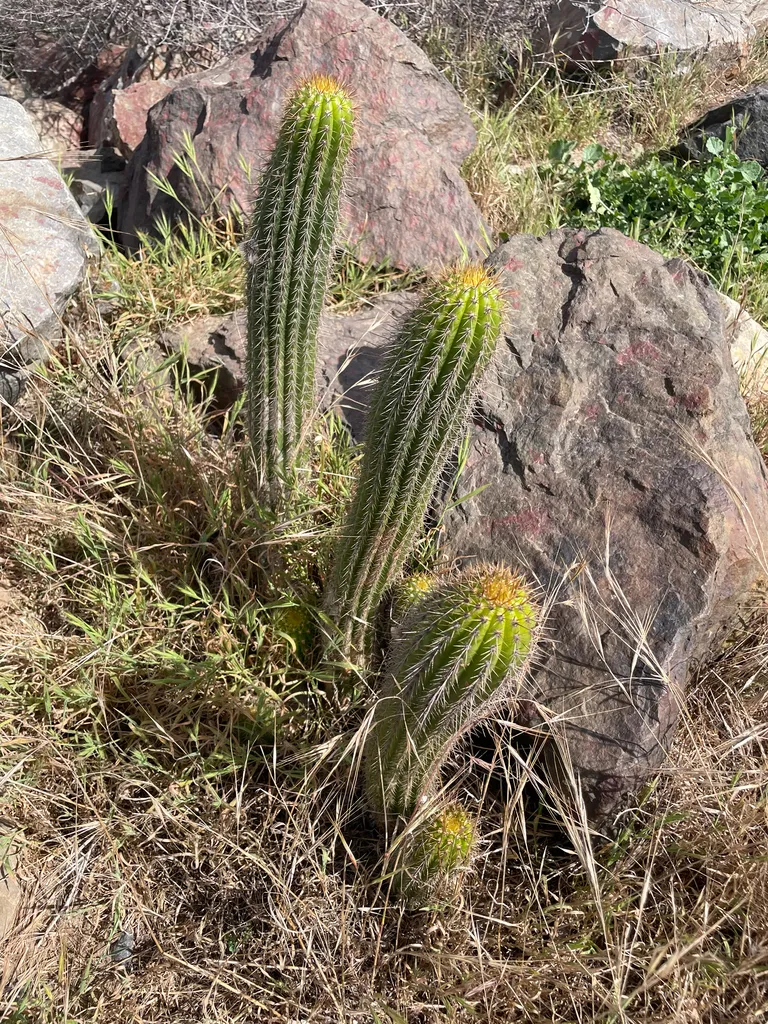
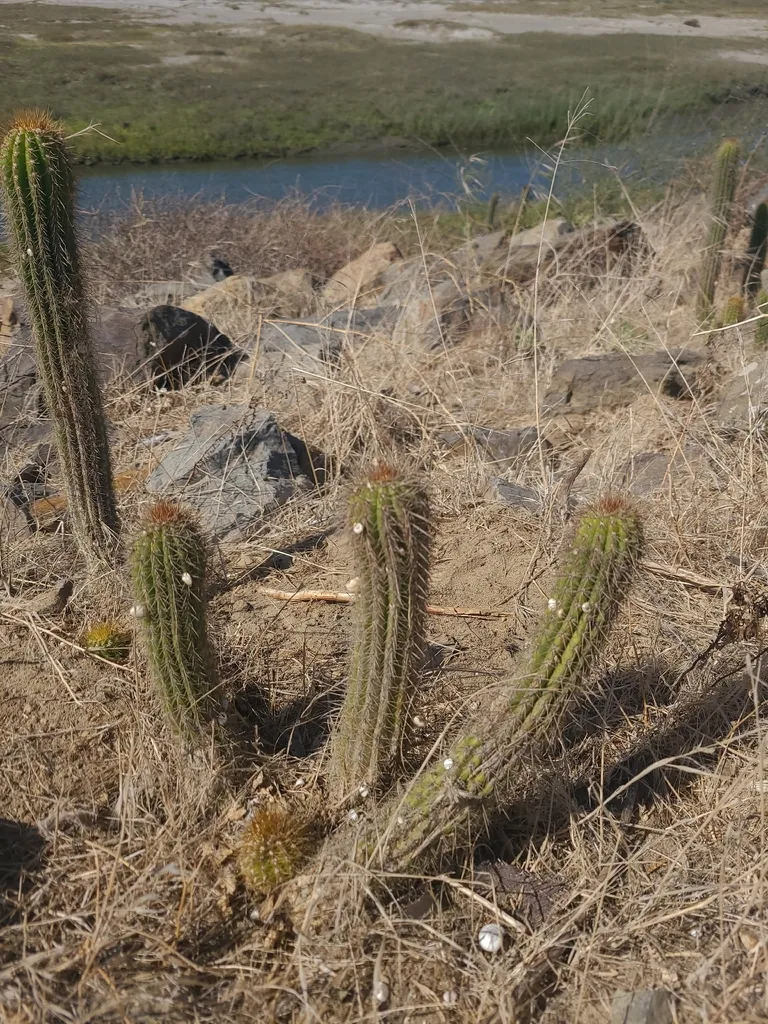
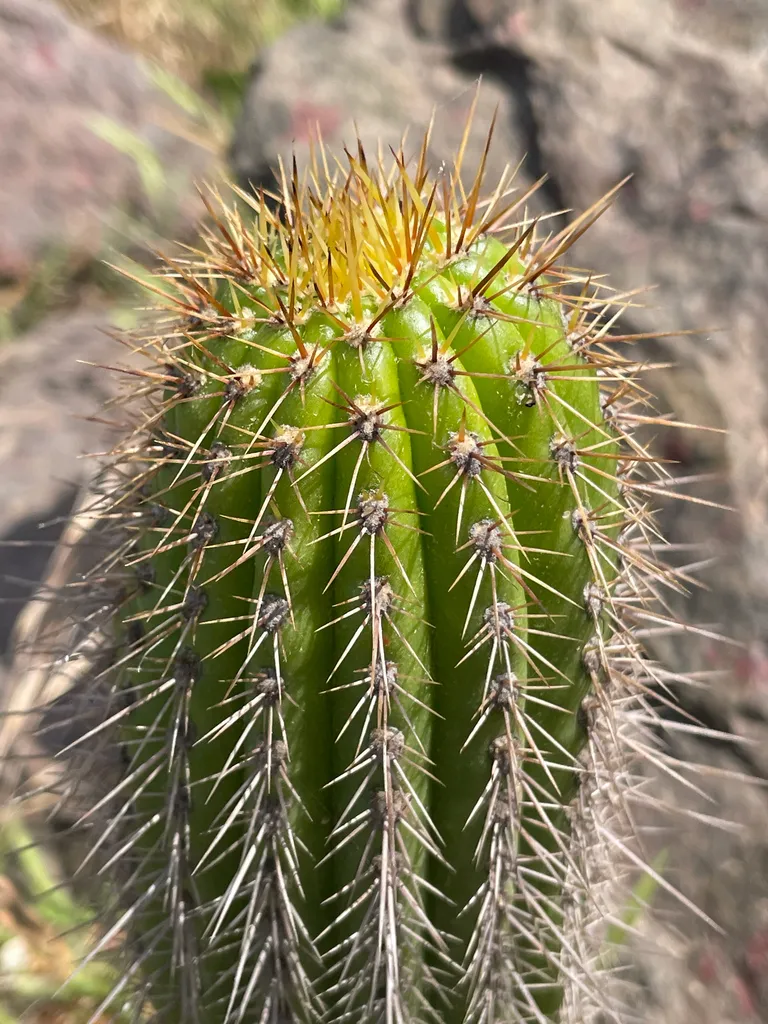
| Care difficulty | 2 / 5 |
|---|---|
| Watering schedule | Water sparingly, allow soil to dry completely between waterings |
| Sunlight requirements | Full sun |
| Ideal temperature | 18 – 28 °C |
| Soil type | Sand · Loam |
| Soil pH | Neutral |
| Soil moisture | Well-drained · Dry between watering |
| Fertilizing | Monthly during growing season |
| Toxicity | Non-toxic |
How to Water Golden Torch Cactus?
Water sparingly, allow soil to dry completely between waterings
Learn more →What Are the Sunlight Requirements for Golden Torch Cactus?
Full sun
Learn more →What Is the Ideal Temperature Range for Golden Torch Cactus?

18 – 28 °C
Learn more →What Soil Is Best for Golden Torch Cactus?
- Soil type
- Sand · Loam
- Soil pH
- Neutral
What Are the Moisture Requirements for Golden Torch Cactus?
Well-drained · Dry between watering
Learn more →How to Fertilize Golden Torch Cactus?

Monthly during growing season
Learn more →How to Prune Golden Torch Cactus?

Pruning is generally unnecessary; remove only dead or damaged parts. If the plant becomes too tall, the top can be cut off and rooted to create a new plant.
Learn more →How to Propagate Golden Torch Cactus?

Easily propagated from stem cuttings. Take a section of stem, allow the cut end to callus for a few days, then insert into moist cactus compost. Rooting occurs readily at 20–25°C. Seeds can also be sown in spring at a temperature of 21°C.
Learn more →How to Plant Golden Torch Cactus?
Grow in full sun with well-drained, sandy or loamy soil. Water sparingly, allowing the compost to dry out completely between waterings; reduce watering to almost none in winter. Feed with a balanced cactus fertiliser once a month during the growing season. Protect from temperatures below 5°C; best grown in a heated greenhouse or indoors in cooler climates.
Learn more →Common Pests & Diseases

Diseases
Susceptible to root rot if overwatered or planted in poorly drained soil. Fungal spots may appear in humid conditions.
Pests
Common pests include mealybugs and spider mites, especially when kept indoors or in dry air. Regular inspection and prompt treatment are recommended.
Explore the plant health library →Troubleshooting
Soft Basal Rot vs. Wrinkled Dehydrated Leaves or Stems
Golden Torch Cactus (Trichocereus spachianus) stores water in fleshy tissues and relies on fast-draining mineral soil; waterlogged roots in cool or heavy compost quickly cause basal rot.
| What you notice | Possible explanation | What to check next |
|---|---|---|
| Base of stem or lower leaves turns dark brown/black, soft, and translucent while soil stays damp | Root or stem rot from overwatering, poor drainage, or watering during cool dormancy | Check pot drainage holes, inspect lower soil wetness, and test stem firmness gently |
| Fleshy leaves or stems look wrinkled, deflated, or limp while gritty soil is bone dry during active growth | Underwatering as the plant draws on stored tissue moisture | Check deep soil dryness and confirm daytime temperatures are in the active growth range |
- Pot in a sharply drained cactus/succulent compost (amended with coarse sand, grit, pumice, or perlite) in a container with open drainage holes.
- Follow seasonal moisture cues: Water sparingly, allow soil to dry completely between waterings.
- If rot develops at the base, cut away healthy upper stems or offsets with a sterilized blade, let cut ends dry and callous for several days, and root in fresh gritty mix.
Stop watering immediately if soft black rot spreads from the base, and discard rotted tissues and wet old soil.
Etiolated Green Growth or Mealybugs and Scale
Insufficient direct sunlight stretches new growth and dulls natural stress coloration in Golden Torch Cactus (Trichocereus spachianus), while mealybugs and scale often hide in leaf axils or around roots.
| What you notice | Possible explanation | What to check next |
|---|---|---|
| New growth stretches pale green with wide internodes instead of staying compact and richly colored | Insufficient bright direct sunlight | Evaluate daily hours of direct sun exposure at the current site |
| White cottony tufts, sticky honeydew, or hard brown bumps along stems and leaf bases | Sap-sucking pests (Common pests include mealybugs and spider mites, especially when kept indoors or in dry air. Regular inspection and prompt treatment are recommended.) | Inspect stem junctions, leaf undersides, and the soil line closely |
- Acclimate gradually to full sun so new growth develops compact form and natural coloration without sudden sunburn.
- Isolate infested plants and dab visible mealybugs or scale with rubbing alcohol on a cotton swab, or apply insecticidal soap per label directions.
- Protect frost-tender plants indoors or under cover before freezing weather arrives.
Already stretched stems will not shrink back, though compact healthy growth will resume once bright light is restored.
The Toxicity of Golden Torch Cactus
Non-toxic