
Golden Torch Cactus
Also known as: Golden Torch Cactus, Torch Cactus
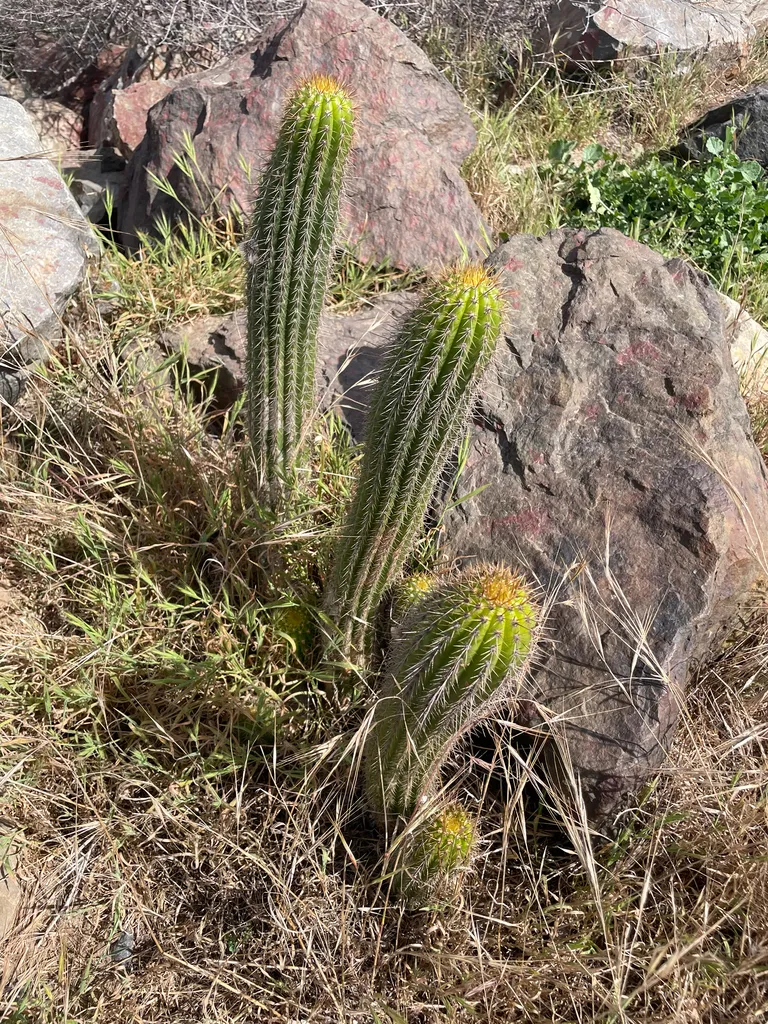
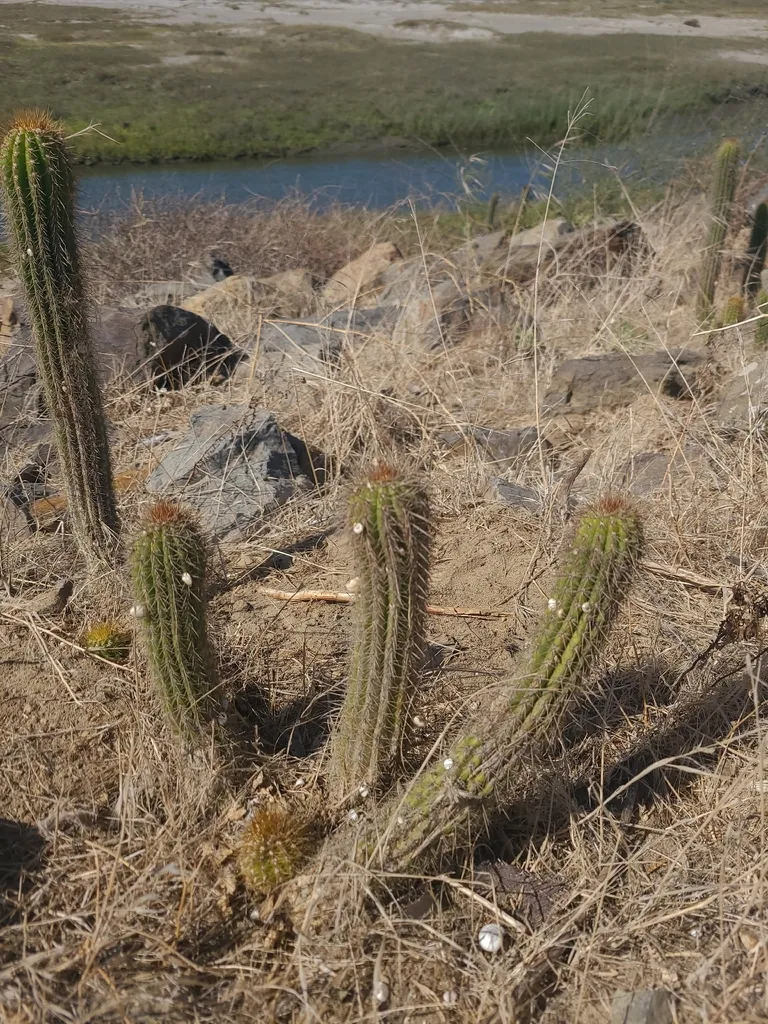
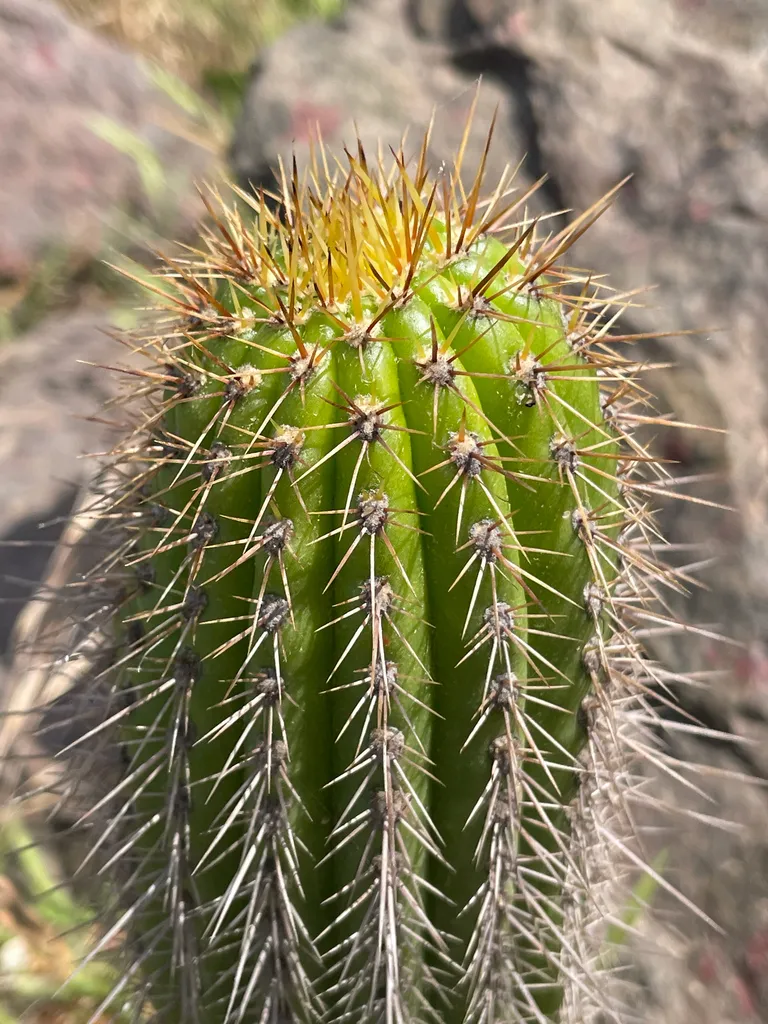
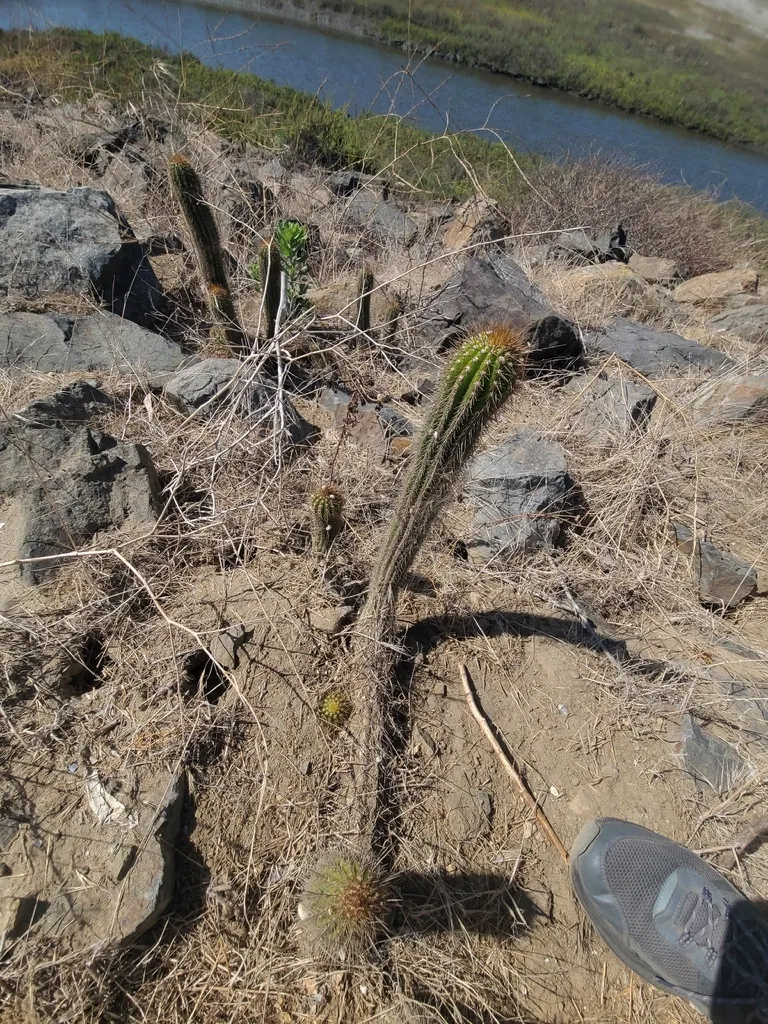
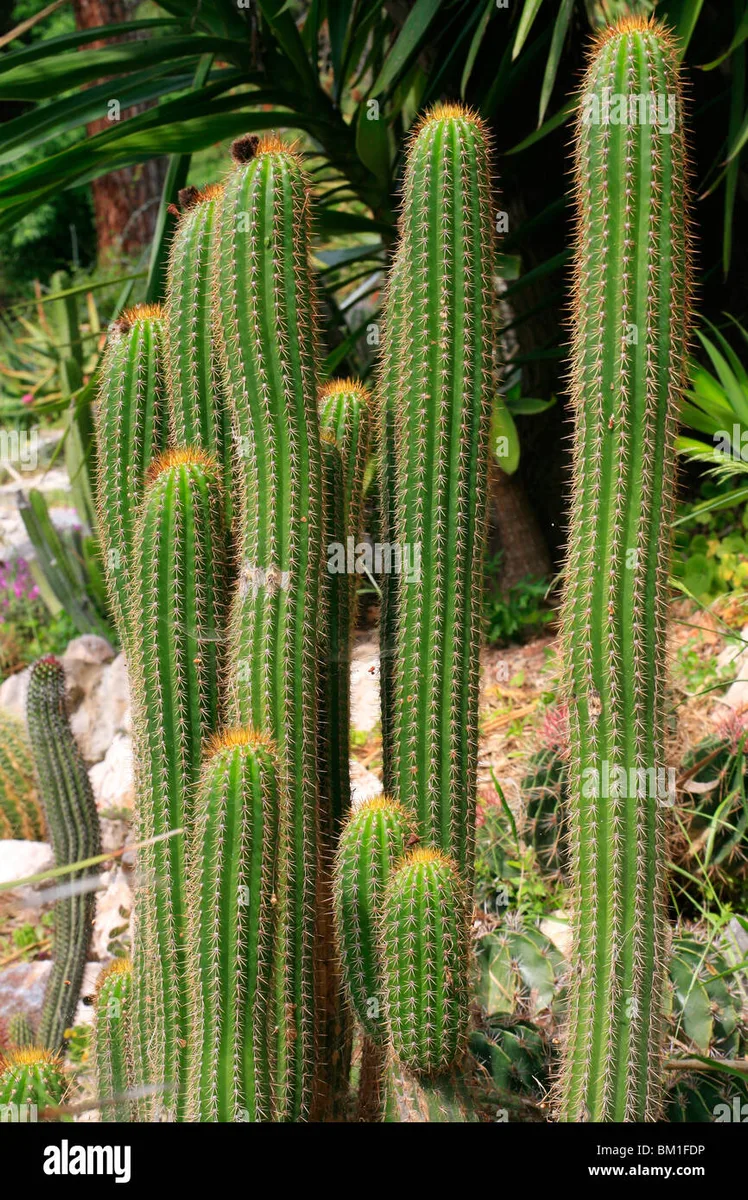
A columnar cactus with a deep green stem, bearing 8–10 ribs lined with golden-yellow spines. Large, fragrant white flowers, up to 15 cm across, open at night from late spring to summer. The plant grows upright with a single trunk, branching only after many years, creating a striking vertical accent.
Scientific classification
- Species
- Golden Torch Cactus (Trichocereus spachianus)
- Genus
- Trichocereus
- Family
- Cactaceae
- Order
- Caryophyllales
- Class
- Magnoliopsida
- Phylum
- Magnoliophyta
- Non-toxic
- Toxicity
- Cactus Succulent · Houseplants · Conservatory Greenhouse
- Plant type
- 1 - 2 metres
- Height
- 0.1 - 0.2 metres
- Spread
- Evergreen
- Foliage
- Columnar upright · Upright
- Habit
- Spring · Summer
- Season of interest
- Full sun
- Sunlight
- 18 – 28 °C
- Ideal temperature









Golden Torch Cactus pictures

Distribution of Golden Torch Cactus
Distribution map
- Native
- Introduced
- Cultivated
Source:WCVP v16 · Royal Botanic Gardens, Kew · CC BY 3.0 · Boundaries:WGSRPD / TDWG
Toxicity
Non-toxic
Golden Torch Cactus care guide
- Water sparingly, allow soil to dry completely between waterings
- Watering
- Full sun
- Sunlight
- 18 – 28 °C
- Ideal temperature

Watering
Water sparingly, allow soil to dry completely between waterings
Fertilizing
 Fertilizing
Monthly during growing season
Pruning
 Pruning
 is generally unnecessary; remove only dead or damaged parts. If the plant becomes too tall, the top can be cut off and rooted to create a new plant.
Propagation
 Propagation
Easily propagated from stem cuttings. Take a section of stem, allow the cut end to callus for a few days, then insert into moist cactus compost. Rooting occurs readily at 20–25°C. Seeds can also be sown in spring at a temperature of 21°C.
Growing
 Growing
Grow in full sun with well-drained, sandy or loamy soil. Water sparingly, allowing the compost to dry out completely between waterings; reduce watering to almost none in winter. Feed with a balanced cactus fertiliser once a month during the growing season. Protect from temperatures below 5°C; best grown in a heated greenhouse or indoors in cooler climates.
Common pests and diseases
Diseases
Susceptible to root rot if overwatered or planted in poorly drained soil. Fungal spots may appear in humid conditions.
Pests
Common pests include mealybugs and spider mites, especially when kept indoors or in dry air. Regular inspection and prompt treatment are recommended.
Explore the plant health library →




