



Planting and Growing Chinese Evergreen

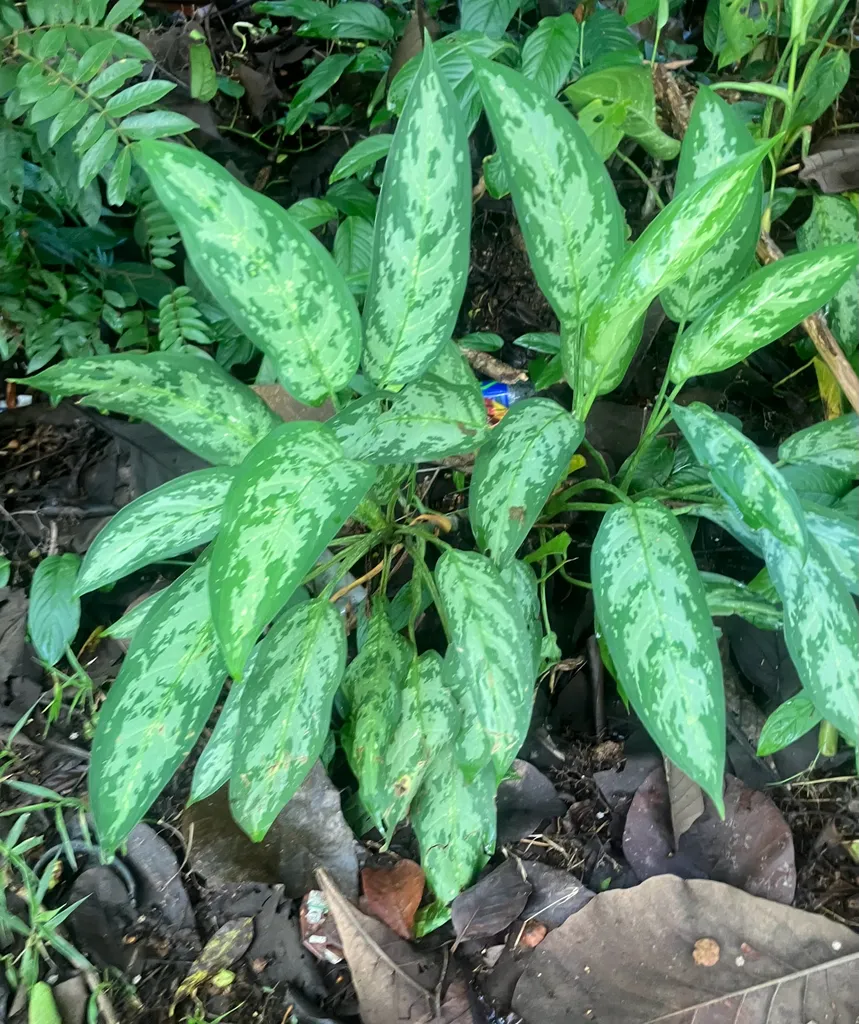
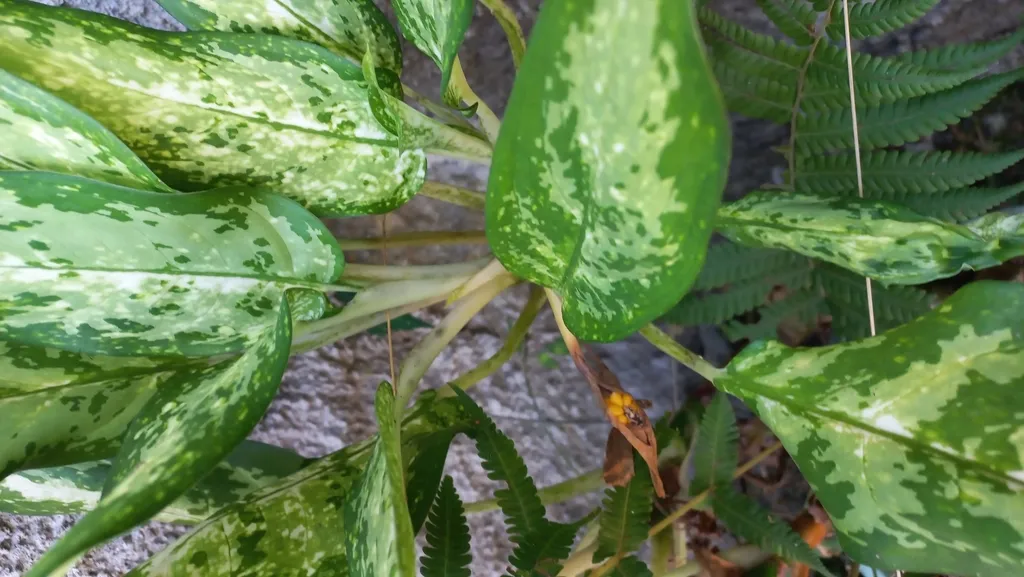
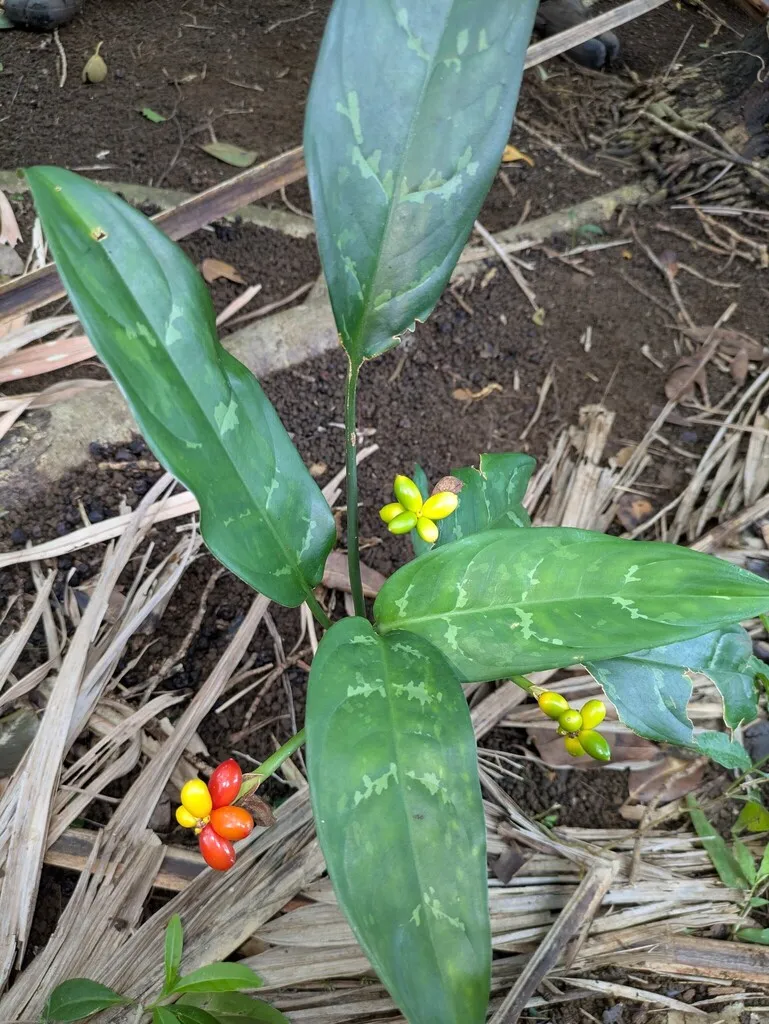
| Care difficulty | 2 / 5 |
|---|---|
| Watering schedule | Water when top 2-3 cm of soil is dry |
| Sunlight requirements | Bright indirect light · Partial shade |
| Ideal temperature | 18 – 27 °C |
| Soil type | Loam · Peat |
| Soil pH | Acid · Neutral |
| Soil moisture | Moist but well drained |
| Fertilizing | Monthly during growing season with balanced fertilizer |
| Toxicity | Toxic if ingested; contains calcium oxalate crystals. |
How to Water Chinese Evergreen?
Originating from the humid understory of tropical rainforests, chinese evergreen has adapted to environments with consistent moisture. This species thrives on a balance of hydration without being waterlogged, showcasing moderate drought tolerance. Watering every week will maintain its lush foliage and health. As an evergreen, chinese evergreen is commonly grown indoors where it can benefit from stable temperatures and indirect light—factors that influence its watering needs more than outdoor climate variations.
Learn more →What Are the Sunlight Requirements for Chinese Evergreen?
Chinese evergreen thrives in low to medium light, preferring full shade or indirect sunlight to maintain its vibrant foliage. While it tolerates partial sun, excessive exposure can lead to leaf burn, faded color, and stunted growth. The plant's leaves may adapt by becoming darker in low light to maximize photosynthesis. For indoor environments, placing chinese evergreen near a north-facing window or in a well-lit room without direct sunlight is ideal. If grown outdoors, chinese evergreen should be situated in a sheltered area to avoid direct afternoon rays, ensuring a balance that promotes its health and ornamental appeal.
Learn more →What Is the Ideal Temperature Range for Chinese Evergreen?

Chinese evergreen shows remarkable resilience, tolerating temperatures as low as 5℃ (41℉) and as high as 43℃ (109℉). Despite its wide tolerance range, prolonged exposure to extreme cold can cause leaf yellowing and drooping, while excessive heat may result in scorched leaf edges and wilting. To safeguard chinese evergreen in cold weather, avoid drafts and use a protective cover. During hot conditions, ensure ample humidity and shade. Its adaptability makes chinese evergreen suitable for various indoor environments, though temperature control is crucial for optimal growth.
Learn more →What Soil Is Best for Chinese Evergreen?
- Soil type
- Loam · Peat
- Soil pH
- Acid · Neutral
What Are the Moisture Requirements for Chinese Evergreen?
Moist but well drained
Learn more →How to Fertilize Chinese Evergreen?

For chinese evergreen, use high nitrogen fertilizers to bolster foliage growth. Fertilize bimonthly during growing seasons—spring and summer—tapering to quarterly in fall and winter. A liquid formula, diluted to half strength, promotes even feeding. Over-fertilization risks root burn, so adhere strictly to dose recommendations. Monitor for signs of deficiency or excess, adjusting as necessary. Always apply to moist soil, never dry, to safeguard roots. This careful approach ensures chinese evergreen's robust health and vibrancy.
Learn more →How to Prune Chinese Evergreen?

Chinese evergreen, characterized by its lush foliage and low maintenance, benefits from regular pruning to remove yellowing or dead leaves and to promote bushier growth. Optimal pruning occurs between early spring and late spring, in sync with its growth cycle. Pruning enhances air circulation, reduces pest risks, and maintains the plant’s aesthetic shape. Use clean, sharp scissors to prevent damage, ensuring the plant can recover quickly and continue to thrive.
Learn more →How to Propagate Chinese Evergreen?

Chinese evergreen thrives ideally when propagated through stem cuttings during the Spring and Summer seasons. This process is moderately easy, with noticeable root development as a sign of success. Ensure high humidity for optimal growth.
Learn more →How to Transplant Chinese Evergreen?
The perfect time to transplant chinese evergreen is from mid-spring to late-spring, or mid-fall to late-fall, as these seasons provide optimal growing conditions. Ensure a well-draining and partially shaded location for its growth. Handle this delicate perennial gently during transplant.
Learn more →How to Care for Chinese Evergreen in Winter?

Chinese evergreen hails from humid, tropical regions, highly resilient to varying light conditions. This beauty adapts to winters by thriving indoors, away from chilly drafts. Gardeners must ensure warmth with adequate active growth temperatures (16°C-24°C) and consistent humidity. Lights? Chinese evergreen isn't picky! But it loves a good misting. A tropical retreat for our chinese evergreen this winter!
Learn more →How to Plant Chinese Evergreen?
Indoors-potted: Keep your chinese evergreen in a spot where it can enjoy the cozy climate of your home, away from cold drafts that could cause leaf damage. Outdoors-potted: When placing your chinese evergreen outside, ensure it's in a shaded area as direct exposure can lead to stress on its vibrant foliage. Outdoors-in the ground: Chinese evergreen thrives best indoors; if planted outdoors in the ground, they may struggle with temperature fluctuations and frost.
Learn more →How to Repot Chinese Evergreen?
Chinese evergreen thrives best when repotted annually, ideally in spring to align with its growth cycle. As a moderate-sized, bushy plant, a slightly larger container with adequate drainage is recommended each time to accommodate root growth. After repotting, maintain high humidity and indirect sunlight to help chinese evergreen recover and continue thriving. Keep the soil consistently moist but avoid overwatering.
Learn more →Common Pests & Diseases

Diseases
Susceptible to root rot if overwatered. Leaf spot diseases may occur in poor air circulation.
Pests
May be affected by mealybugs, spider mites, and scale insects.
Explore the plant health library →Troubleshooting
Yellowing Lower Leaves and Mushy Stems
Aglaonema commutatum (Chinese evergreen) is sensitive to waterlogged soil and cold temperatures. Yellowing leaves can stem from natural aging of old basal foliage, overwatering, or chilly drafts.
| What you notice | Possible explanation | What to check next |
|---|---|---|
| One or two oldest lower leaves yellow gradually while upper foliage stays firm and patterned | Natural aging of lower leaves as canes grow | Remove yellowed leaves cleanly at the base and watch whether new leaves remain healthy. |
| Several leaves yellow quickly and stems soften while potting mix stays wet | Overwatering, poor drainage, or root rot | Check drainage holes, empty standing water, and inspect roots if decline continues. |
| Leaves yellow, curl, or develop greasy dark patches after a cold draft or drop below 15°C (59°F) | Chilling injury | Check proximity to cold windows or exterior doors and move to a warmer spot. |
- Allow the top 1 to 2 inches of potting mix to dry before watering thoroughly, and empty any excess water from the saucer.
- Ensure the container has open drainage holes and a well-aerated, peat- or bark-amended potting mix.
- Keep the plant in steady indoor warmth above 15°C (59°F) and away from cold drafts or air-conditioning vents.
- If roots are brown and mushy, trim damaged roots with clean scissors and repot into fresh, well-draining mix.
Wear gloves when pruning or repotting, as Aglaonema sap contains irritating calcium oxalate crystals.
Brown Leaf Tips or Fading Silver/Colorful Markings
Crispy leaf tips and muted variegation on Chinese evergreen usually point to dry air, water minerals, or lighting mismatches.
| What you notice | Possible explanation | What to check next |
|---|---|---|
| Leaf tips and edges turn brown and dry while the rest of the leaf stays green | Low indoor humidity, fluoride/chlorine in tap water, or fertilizer salt buildup | Review your water source, proximity to heating vents, and feeding frequency. |
| Silvery or pale leaf markings fade to solid dark green and stems stretch | Light is too dim for variegated cultivars | Move the plant closer to a window with bright, indirect light. |
| Bleached or scorched patches appear on leaves facing sunny glass | Direct sun exposure | Filter harsh sunlight with a sheer curtain or move back from the window. |
- Place variegated cultivars in bright to medium indirect light; darker green forms tolerate lower light.
- Water with rainwater, distilled water, or filtered water if tap water causes tip burn, and flush the potting mix occasionally.
- Boost humidity in dry heated rooms with a humidifier or pebble tray away from hot air vents.
- Trim brown tips neatly along the leaf contour without cutting into live green tissue.
Variegated Aglaonema cultivars require noticeably brighter indirect light than old-fashioned all-green varieties.
The Toxicity of Chinese Evergreen
Toxic if ingested; contains calcium oxalate crystals.