
Chinese Evergreen
Also known as: Chinese Evergreen, Philippine Evergreen
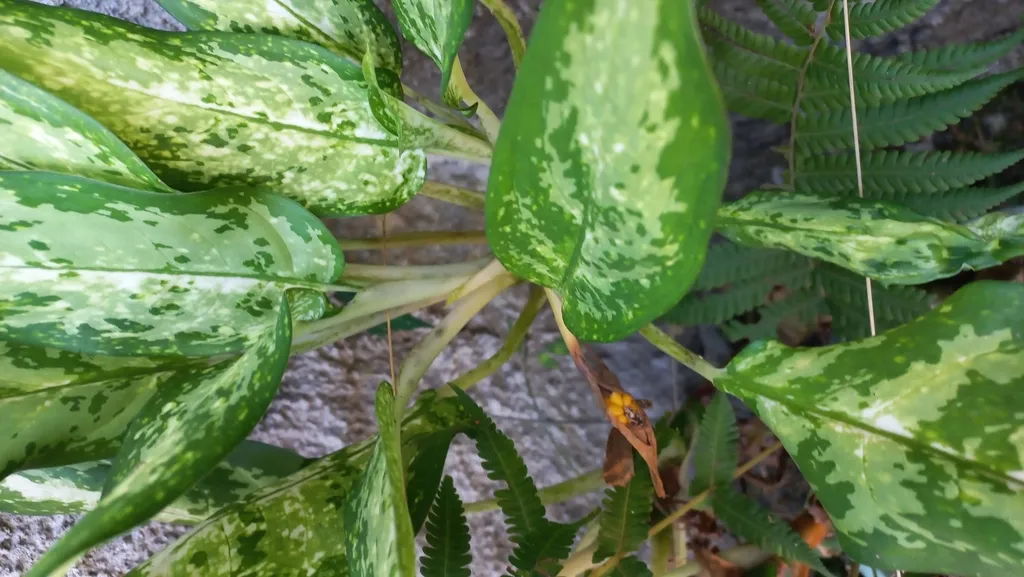
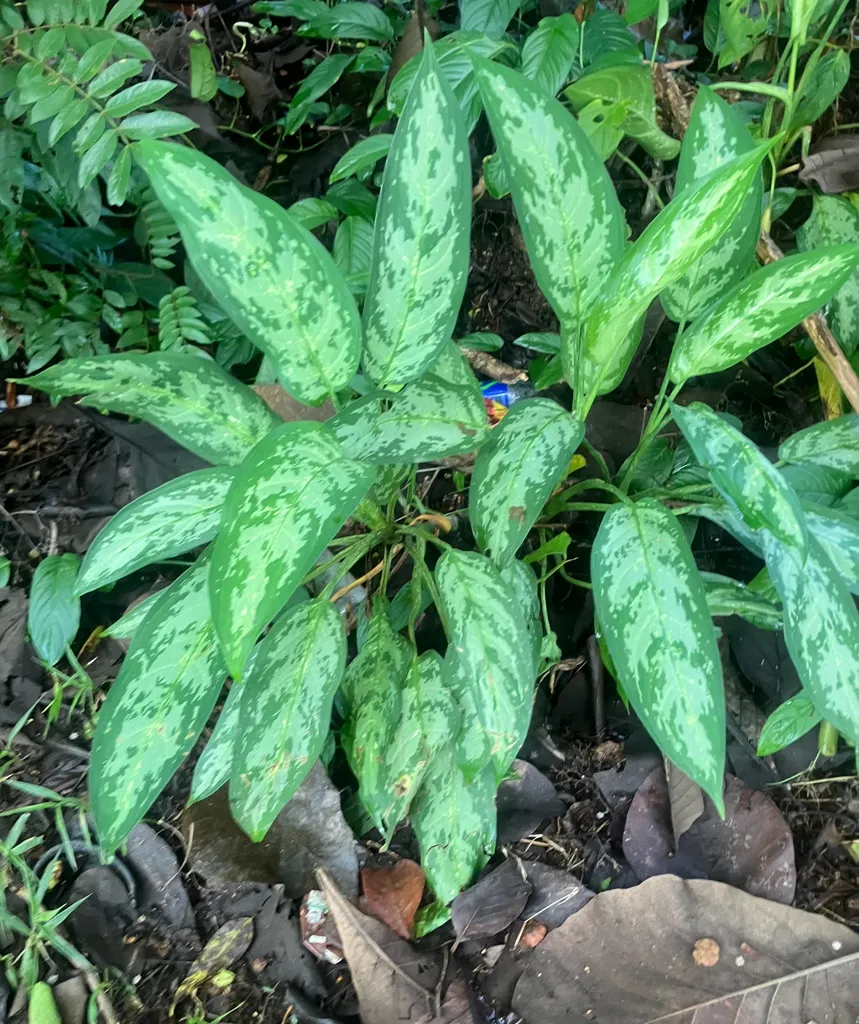
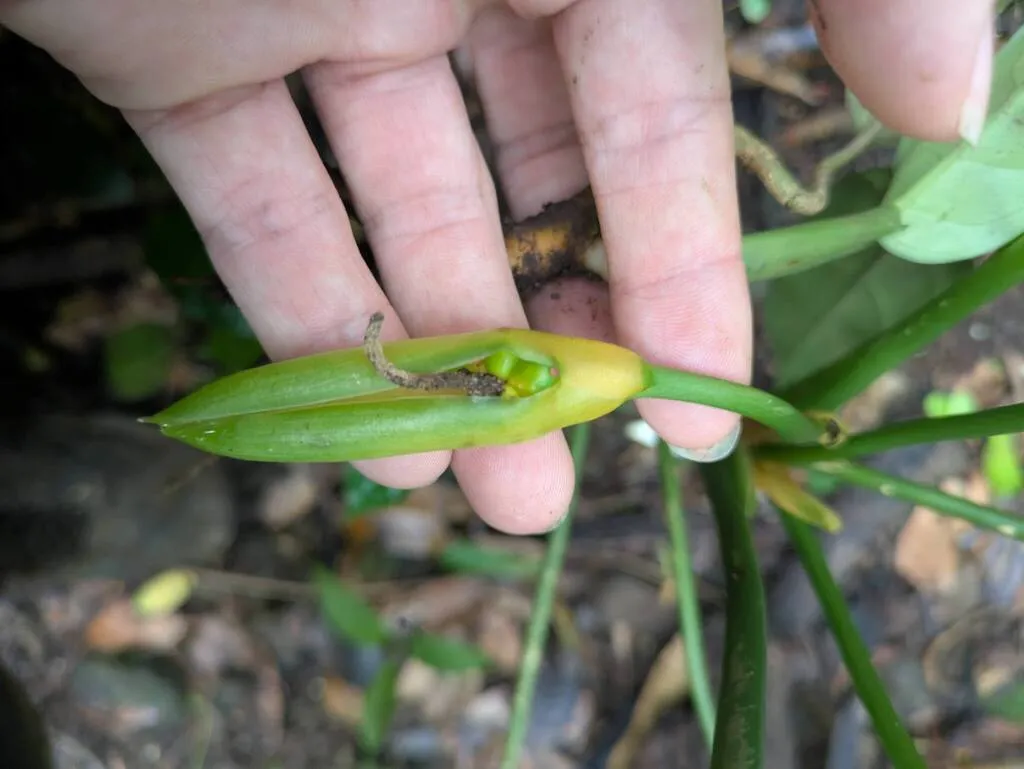
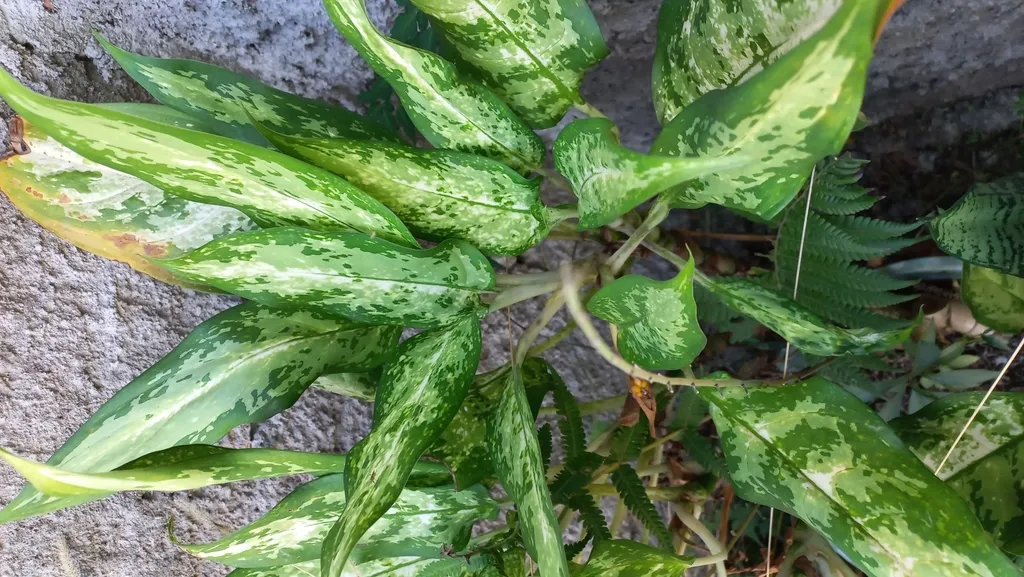
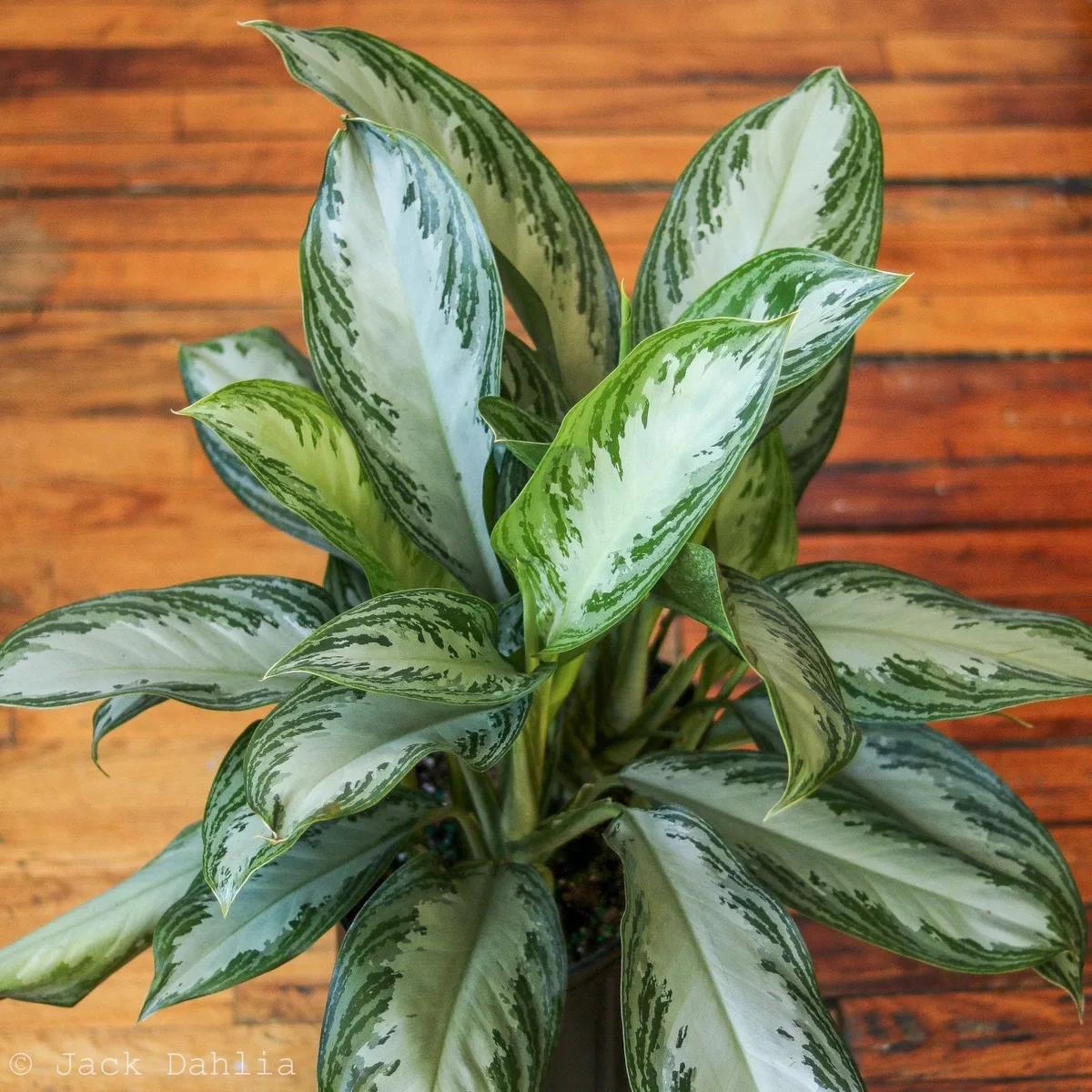
Aglaonema commutatum is a clump-forming evergreen perennial with elliptic to lance-shaped leaves, often variegated with silvery-grey markings. It produces small, inconspicuous flowers similar to arum lilies. The plant typically grows 0.3–0.6 m tall and wide, making it ideal as a compact houseplant. Its main ornamental value lies in its attractive foliage.
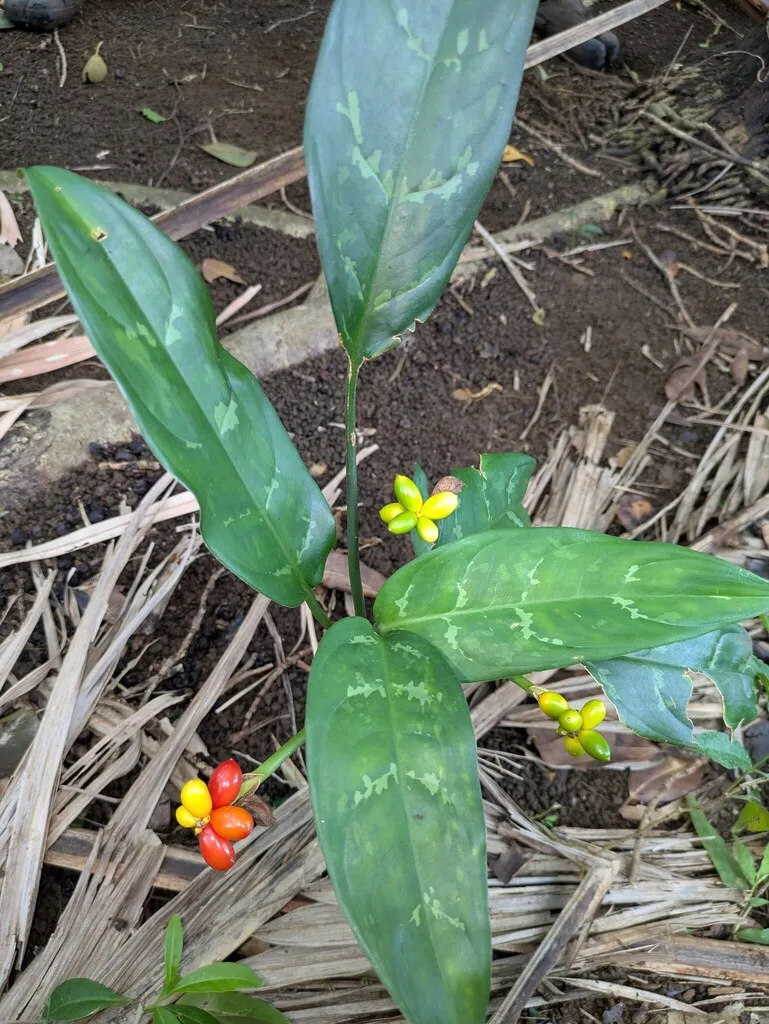
Scientific classification
- Species
- Chinese Evergreen (Aglaonema commutatum)
- Genus
- Aglaonema
- Family
- Araceae
- Toxic if ingested; contains calcium oxalate crystals.
- Toxicity
- Foliage · Houseplants
- Plant type
- 0.3 - 0.6 metres
- Height
- 0.3 - 0.6 metres
- Spread
- Evergreen
- Foliage
- Clump forming
- Habit
- Spring · Summer · Autumn
- Season of interest
- Bright indirect light · Partial shade
- Sunlight
- 18 – 27 °C
- Ideal temperature









Chinese Evergreen pictures
Distribution of Chinese Evergreen
Distribution map
Tropical Southeast Asia
Information to be completed
Culture
Information to be completed
Toxicity
Toxic if ingested; contains calcium oxalate crystals.
Quick identification of Chinese Evergreen
Information to be completed
Chinese Evergreen care guide
- Water when top 2-3 cm of soil is dry
- Watering
- Bright indirect light · Partial shade
- Sunlight
- 18 – 27 °C
- Ideal temperature

Watering
Water when top 2-3 cm of soil is dry
Fertilizing
 Fertilizing
Monthly during growing season with balanced fertilizer
Pruning
 Pruning
Remove yellow or damaged leaves at the base as needed. Pruning can be done in spring to maintain shape.
Propagation
 Propagation
Division or stem cuttings. Divide in spring when repotting. Take stem cuttings with at least two nodes and root in water or moist perlite at 20-25°C.
Growing
 Growing
Grow in a well-drained, peat-based potting mix. Water regularly during the growing season, allowing the top layer of soil to dry slightly between waterings. Reduce watering in winter. Apply a balanced liquid fertilizer monthly from spring to autumn. Keep in bright indirect light; avoid direct sun which can scorch leaves. Minimum temperature 15°C.
People also ask
Information to be completed
Common pests and diseases
Diseases
Susceptible to root rot if overwatered. Leaf spot diseases may occur in poor air circulation.
Pests
May be affected by mealybugs, spider mites, and scale insects.
Explore the plant health library →




