



Planting and Growing Bamboo Orchid

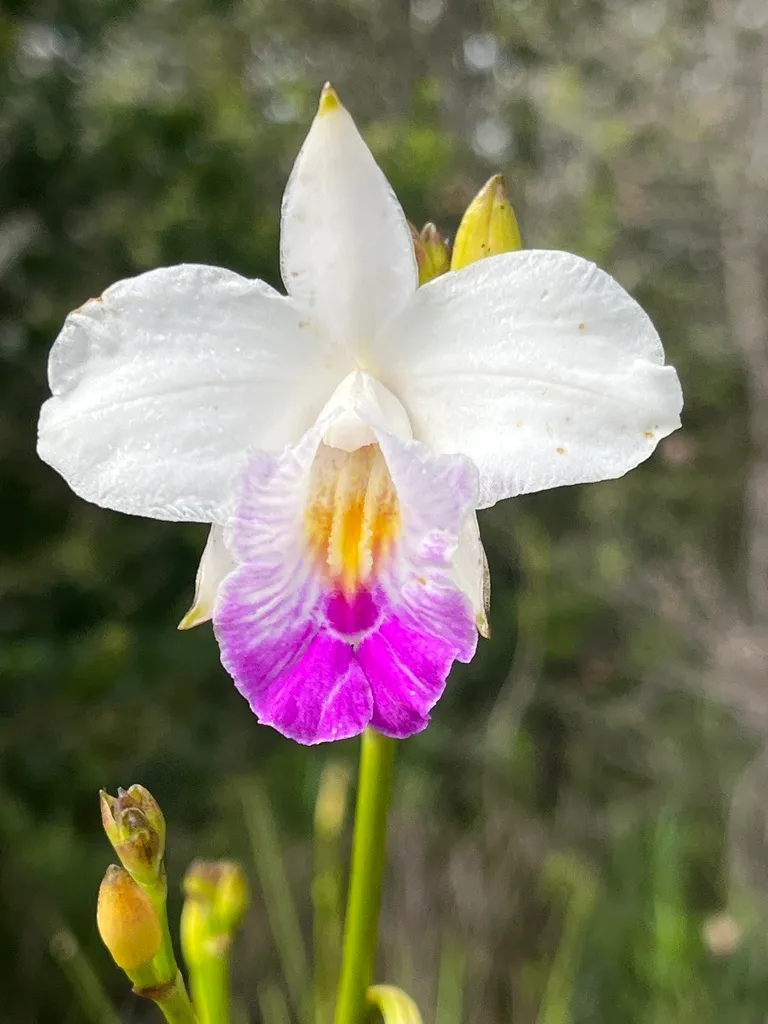
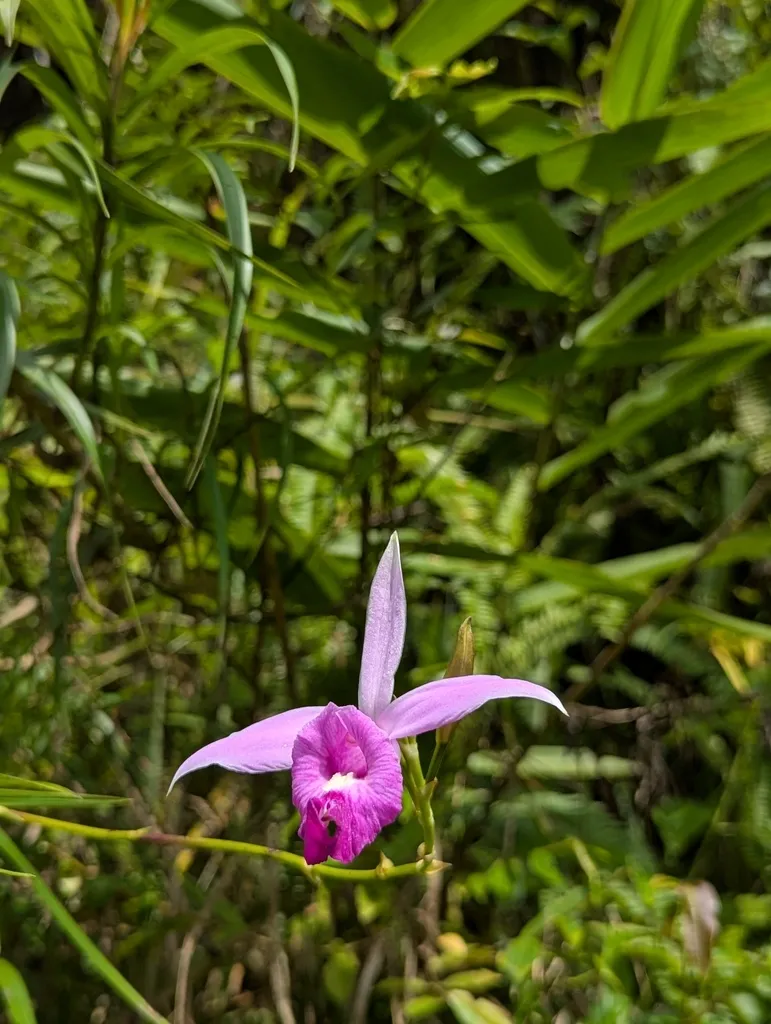
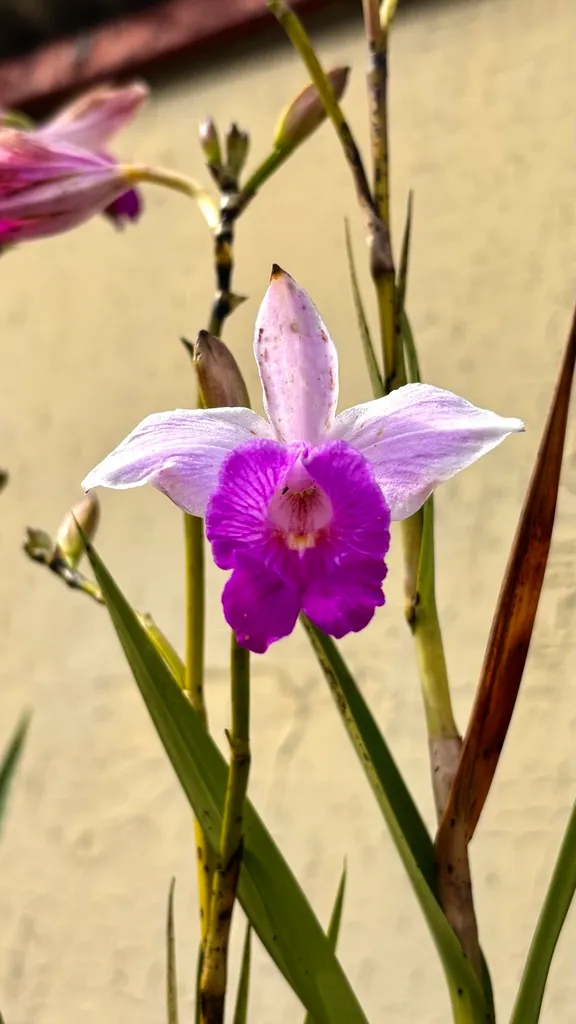
| Care difficulty | 3 / 5 |
|---|---|
| Watering schedule | Keep soil moist but well-drained, reduce in winter |
| Sunlight requirements | Full sun |
| Ideal temperature | 15 – 25 °C |
| Soil type | Loam |
| Soil pH | Acid · Neutral |
| Soil moisture | Moist but well drained |
| Fertilizing | Monthly during growing season with balanced orchid fertilizer |
| Toxicity | Non-toxic |
How to Water Bamboo Orchid?
Thriving in its native tropical climate, bamboo orchid is accustomed to consistent moisture and high humidity. This species exhibits a preference for regular hydration but can withstand short periods of dryness. Watering should be done every week to maintain optimal health. As an outdoor plant often found in humid environments, bamboo orchid benefits from rainfall patterns that contribute to its growth cycle, particularly during the growing season when water needs are heightened.
Learn more →What Are the Sunlight Requirements for Bamboo Orchid?
Bamboo orchid thrives best in full sunlight, which is crucial for its vigorous growth and prolific flowering. This optimal exposure ensures that bamboo orchid receives enough energy for photosynthesis, influencing its overall health and bloom production. While bamboo orchid tolerates partial sun, lesser light can lead to reduced flowering and possibly weaker, elongated growth as it stretches towards the light source. Outdoors, bamboo orchid should be planted in locations that receive direct sunlight for most of the day to maintain its vibrant growth and flowering capabilities. Exposure to morning sun with some afternoon shade can also be beneficial, particularly in hot climates.
Learn more →What Is the Ideal Temperature Range for Bamboo Orchid?

Bamboo orchid shows impressive resilience to temperature variations, tolerating cold down to 5°C (41°F) and heat up to 41°C (106°F). This adaptability allows it to endure diverse climates, but care must be taken during extremes. In cold conditions, the plant may exhibit leaf yellowing and slow growth, while overheating could lead to dehydration and leaf scorching. To mitigate these effects, provide frost protection such as mulching or using cloth covers during cold spells and ensure adequate shading and watering during heat waves. Bamboo orchid's tolerance makes it a versatile choice for various environments, enhancing its appeal for gardeners seeking resilient plants.
Learn more →What Soil Is Best for Bamboo Orchid?
Bamboo orchid thrives in well-draining soil, essential to avoid root rot. A suitable soil mix includes commercial orchid potting mix, enriched with perlite or coarse sand to augment aeration and drainage. If orchid mix is unavailable, combine pine bark, peat, and perlite in equal parts. For optimal growth, blend in slow-release fertilizer at planting time and provide occasional liquid feed during active growth. Monitor moisture and ensure pots have drainage holes.
- Soil type
- Loam
- Soil pH
- Acid · Neutral
What Are the Moisture Requirements for Bamboo Orchid?
Moist but well drained
Learn more →How to Fertilize Bamboo Orchid?

Fertilize bamboo orchid with high-phosphorus fertilizers at half-strength every 2 weeks during active growth for vibrant blooms and robust health. Reduce to monthly in dormancy. Avoid over-fertilization to prevent root burn. During budding, increase phosphorus slightly to encourage flowering. Dilute appropriately and water soil before application for optimal nutrient absorption.
Learn more →How to Prune Bamboo Orchid?

Bamboo orchid, known for its reed-like stems and stunning purple flowers, benefits from pruning in early spring to late winter. Remove dead, weak, or damaged stems at the base to promote healthy growth and flowering. Trim back overgrown sections to maintain shape and size. Regular pruning enhances airflow, reducing disease risk. Always use sterilized tools to avoid infections, ensuring robust and vibrant blooms each season.
Learn more →How to Propagate Bamboo Orchid?

This terrestrial orchid is best propagated through division, ensuring each section contains at least one pseudobulb or shoot for successful growth. Carefully separate the rhizomes, allowing the cut surfaces to dry before replanting. Position the divisions in well-draining soil, providing bright but indirect light and maintaining consistent moisture without overwatering. With its vigorous growth habit, bamboo orchid will steadily establish in the new setting, rewarding with its striking blooms.
Learn more →How to Transplant Bamboo Orchid?
Transplant bamboo orchid as the frost recedes, ideally in the rejuvenating period of early to mid-spring, to afford it the full growing season in a sunny, well-drained spot. Remember, bamboo orchid thrives with a bit of shade and ample room to flourish.
Learn more →How to Plant Bamboo Orchid?
Indoors-potted: Ensure bamboo orchid has ample space to thrive indoors; it enjoys spreading its roots, which helps maintain its vibrant blooms. Outdoors-potted: Outdoor pots for bamboo orchid should allow for proper drainage to prevent root rot while accommodating its growth habit. Outdoors-in the ground: Bamboo orchid is not typically suited for outdoor-ground planting in areas prone to frost, as it thrives in warm climates.
Learn more →How to Harvest Bamboo Orchid?

If you want to display bamboo orchid flowers in vases, harvest there are only 2-3 flowers blooming on the stem. Cut diagonally at the bottom of the flower stem, and place it in a vase immediately. You can enjoy the cut flower in clean water for about 14 days, or for a longer time with preservatives.
Learn more →Common Pests & Diseases

Diseases
Susceptible to root rot if overwatered or grown in poorly drained soil. Fungal leaf spots may occur in humid conditions with poor air circulation.
Pests
Common pests include aphids, spider mites, and mealybugs. Regular inspection and insecticidal soap treatment can control infestations.
Explore the plant health library →Troubleshooting
Mushy Brown Roots, Wrinkled Leaves, or Bud Blast
Bamboo Orchid (Arundina graminifolia) requires airy, fast-draining orchid media and steady warmth; compacted, soggy bark or moss suffocates roots, while sudden drafts or temperature swings cause flower buds to drop.
| What you notice | Possible explanation | What to check next |
|---|---|---|
| Leaves look limp, leathery, and wrinkled while roots inside the pot are brown and mushy | Root rot from overwatering or degraded, waterlogged bark/moss preventing water uptake | Inspect roots through clear pots or gently lift the plant to check whether roots are firm and silvery-green or soft and brown |
| Unopened flower buds turn yellow, shrivel, and drop off before opening | Bud blast triggered by cold drafts, sudden temperature shifts, low humidity, or ethylene from ripening fruit | Check proximity to cold windows, heaters, or fruit bowls |
- Pot in fresh, coarse orchid bark or well-aerated terrestrial orchid mix (for Arundina) in a pot with generous drainage and air slits.
- Water carefully: Keep soil moist but well-drained, reduce in winter, never allowing water to sit inside the leaf crown.
- Provide bright indirect light (or full morning sun for terrestrial Arundina graminifolia) and stable warm temperatures away from drafts.
Sterilize cutting tools with rubbing alcohol or flame between plants when trimming rotted roots or spent spikes to prevent virus transmission.
Failure to Rebloom or Mealybugs and Scale
Insufficient bright light or lack of a mild night-time temperature drop often keeps orchids in purely leafy growth, while mealybugs and scale hide along spikes and leaf undersides.
| What you notice | Possible explanation | What to check next |
|---|---|---|
| Dark green leaves grow well but no new flower spikes emerge over a full year | Insufficient bright filtered light or lack of a slight autumn night temperature dip (around 15–18°C for Phalaenopsis) | Check leaf color (very dark green signals too little light) and seasonal temperatures |
| Sticky honeydew droplets, white cottony clusters, or flat brown scale bumps on flower spikes or leaf undersides | Sap-sucking pests (Common pests include aphids, spider mites, and mealybugs. Regular inspection and insecticidal soap treatment can control infestations.) | Inspect flower buds, node bracts, and leaf undersides closely |
- Move to brighter full sun and feed every two weeks during active growth with a diluted balanced orchid fertilizer.
- After flowering, trim Phalaenopsis spikes just above an unused lower node to encourage secondary blooms, or cut to the base once the spike yellows.
- Isolate pest-infested orchids and dab mealybugs or scale gently with rubbing alcohol on a cotton swab.
Avoid repotting while an orchid is in full bloom unless severe root rot requires immediate rescue.
The Toxicity of Bamboo Orchid
Non-toxic