
Bamboo Orchid
Also known as: Bamboo Orchid, Grass-leaved Arundina
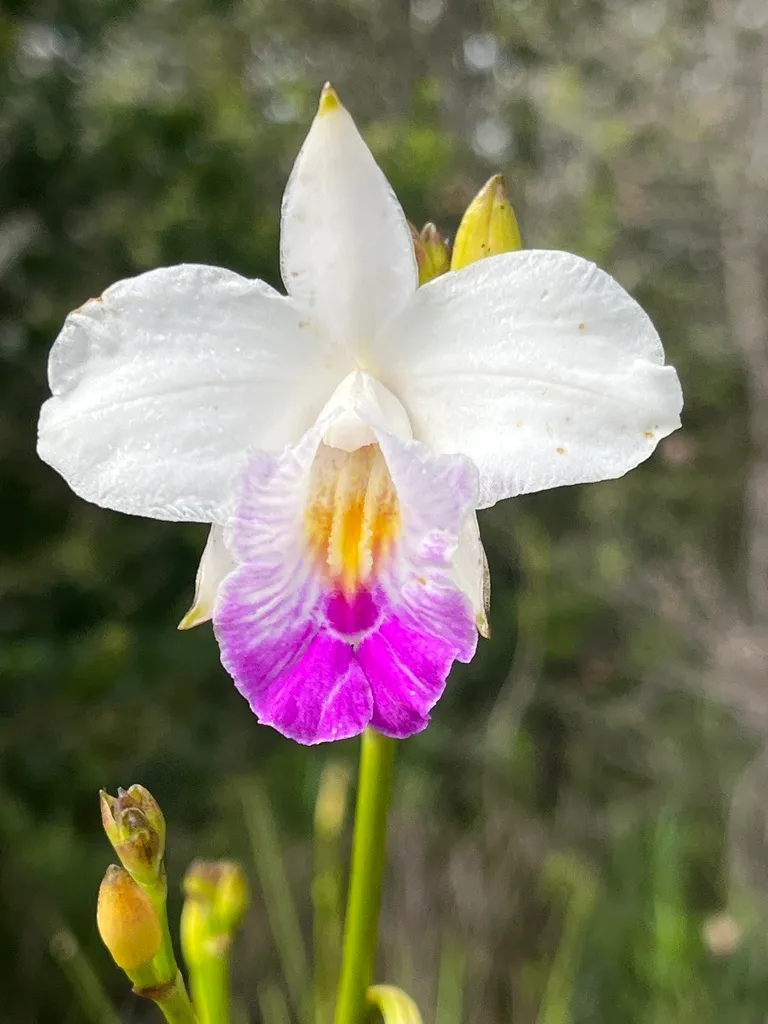
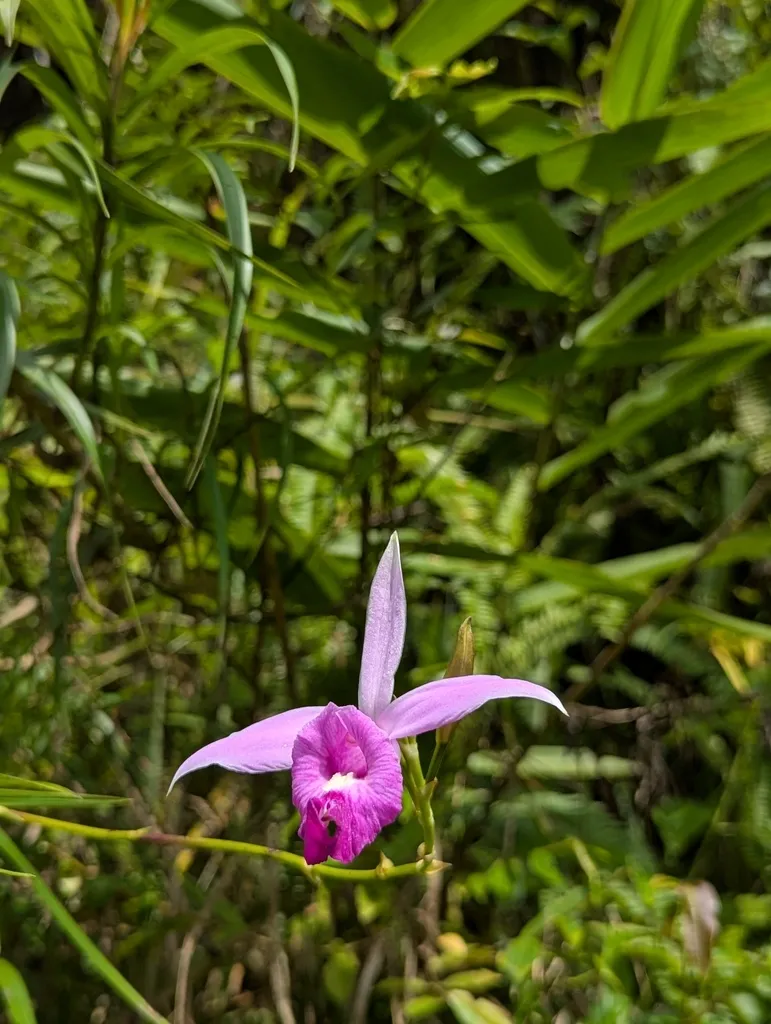
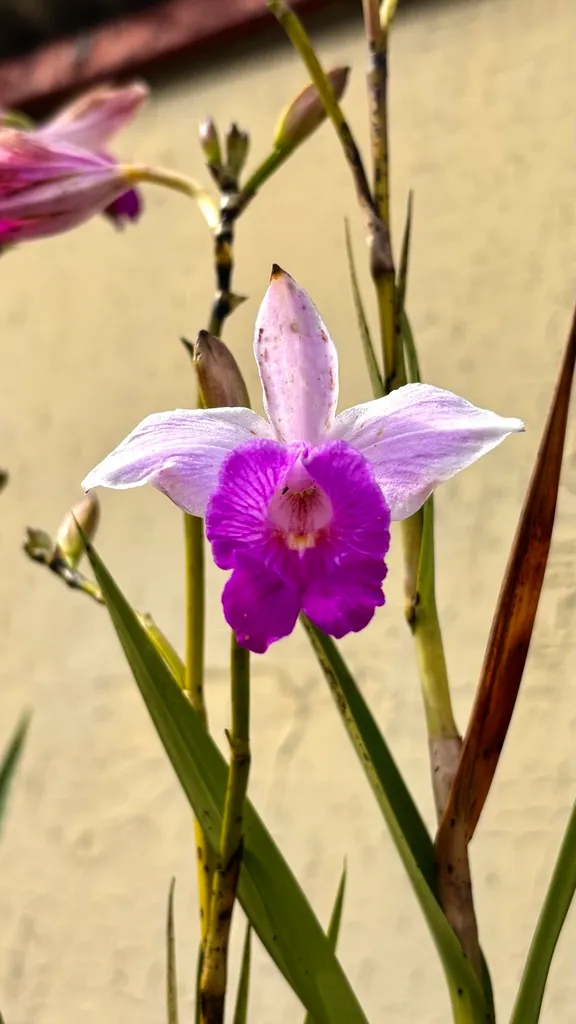
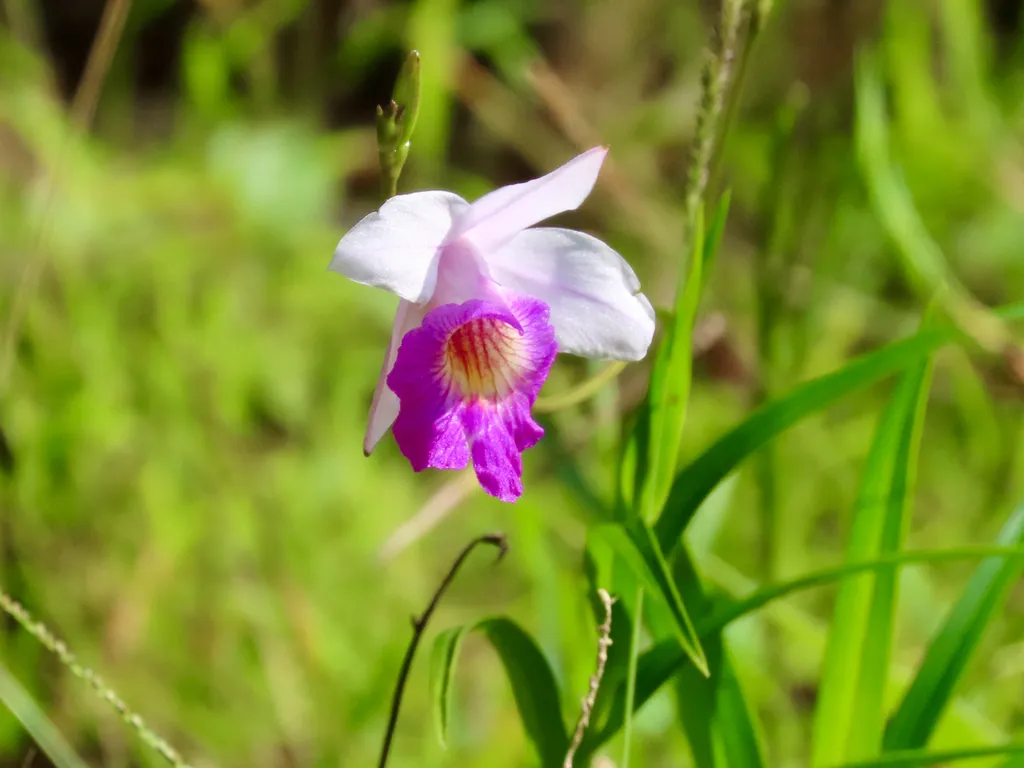
A terrestrial orchid with tall, reed-like stems and grass-like leaves, growing in clumps. It produces showy, pink to purple flowers resembling Cattleya orchids, each bloom lasting several weeks. The flowering spike emerges from the top of the stem in summer, creating a striking vertical accent. Its bamboo-like appearance and elegant blossoms make it a popular choice for tropical-style gardens.
Scientific classification
- Species
- Bamboo Orchid (Arundina graminifolia)
- Genus
- Arundina
- Family
- Orchidaceae
- Order
- Asparagales
- Class
- Liliopsida
- Phylum
- Magnoliophyta
- Non-toxic
- Toxicity
- Herbaceous Perennial · Perennial
- Plant type
- 1.5 metres
- Height
- 0.3 - 0.6 metres
- Spread
- Evergreen
- Foliage
- Upright
- Habit
- Summer
- Season of interest
- Full sun
- Sunlight
- 15 – 25 °C
- Ideal temperature









Bamboo Orchid pictures
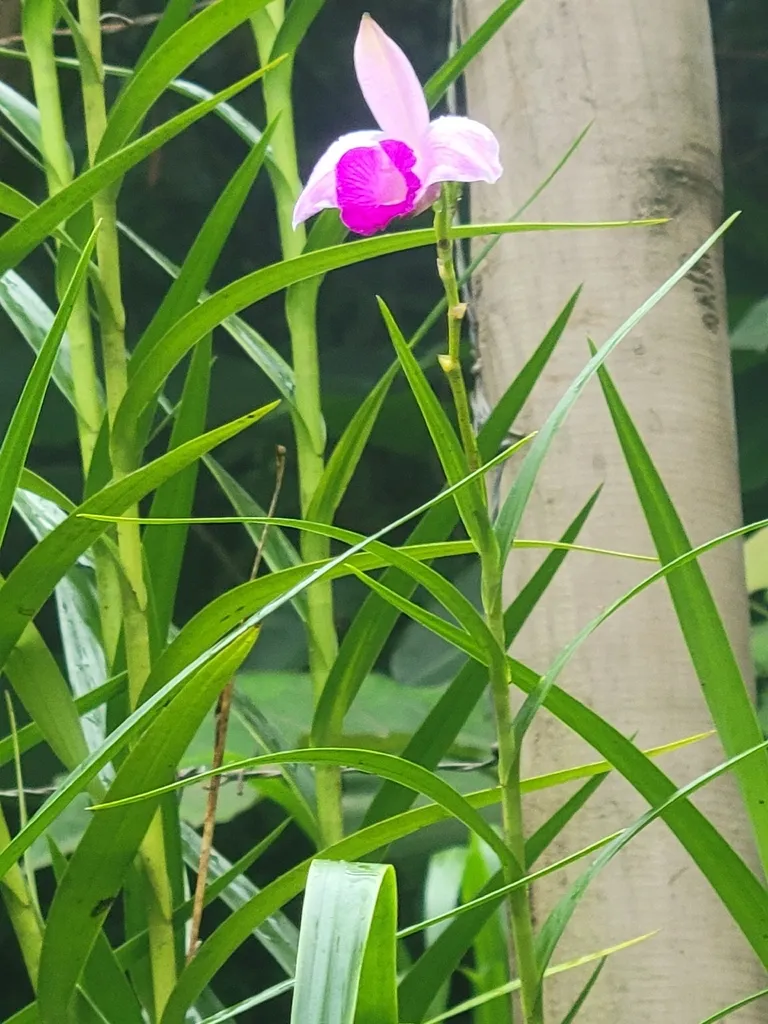
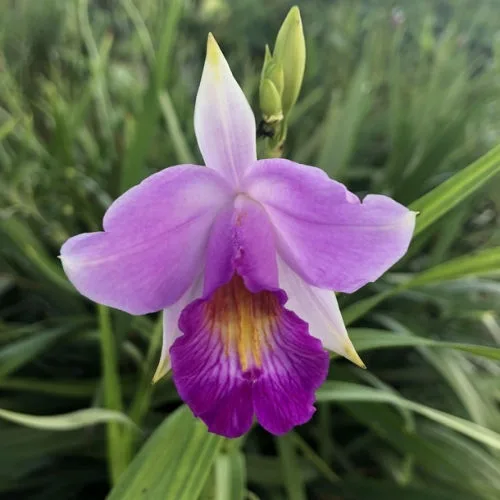
Distribution of Bamboo Orchid
Distribution map
- Native
- Introduced
- Cultivated
Source:WCVP v16 · Royal Botanic Gardens, Kew · CC BY 3.0 · Boundaries:WGSRPD / TDWG
Toxicity
Non-toxic
Bamboo Orchid care guide
- Keep soil moist but well-drained, reduce in winter
- Watering
- Full sun
- Sunlight
- 15 – 25 °C
- Ideal temperature

Watering
Keep soil moist but well-drained, reduce in winter
Fertilizing
 Fertilizing
Monthly during growing season with balanced orchid fertilizer
Pruning
 Pruning
Remove spent flower spikes after blooming to encourage new growth and potential rebloom. Cut back any dead or damaged leaves in early spring before new growth begins.
Propagation
 Propagation
Divide established clumps in spring when new shoots appear. Each division should have at least 3-4 healthy pseudobulbs and roots. Pot up divisions in a well-drained orchid mix and keep in a warm, humid environment until established. Seeds are rarely used due to slow germination and need for symbiotic fungi.
Growing
 Growing
Plant in well-drained, humus-rich loam with a slightly acidic to neutral pH. Provide full sun for best flowering, though light afternoon shade is tolerated in very hot climates. Water regularly during the growing season, allowing the soil to remain moist but never waterlogged. Reduce watering in winter when growth slows. Apply a balanced orchid fertilizer every two weeks during active growth. In cold climates, grow in containers and overwinter indoors at a minimum temperature of 10°C; in frost-free regions, it can be grown outdoors year-round.
Common pests and diseases
Diseases
Susceptible to root rot if overwatered or grown in poorly drained soil. Fungal leaf spots may occur in humid conditions with poor air circulation.
Pests
Common pests include aphids, spider mites, and mealybugs. Regular inspection and insecticidal soap treatment can control infestations.
Explore the plant health library →




