



Planting and Growing Clematis

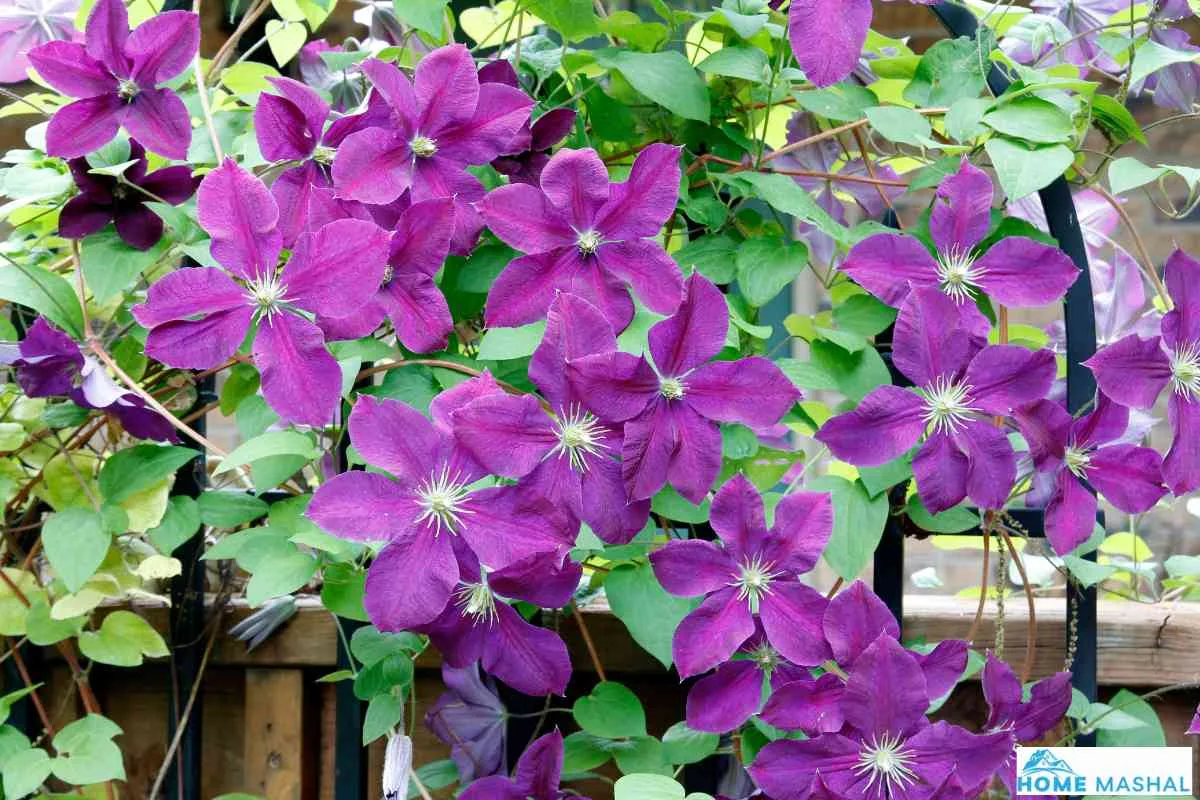
| Care difficulty | 2 / 5 |
|---|---|
| Watering schedule | Keep soil moist and well-drained, mulch to retain moisture |
| Sunlight requirements | Full sun · Partial shade |
| Ideal temperature | Information to be completed |
| Soil type | Loam · Chalk |
| Soil pH | Neutral · Alkaline |
| Soil moisture | Moist but well drained |
| Fertilizing | Monthly during growing season with low-nitrogen fertilizer |
| Toxicity | Toxic if ingested, may cause skin irritation and digestive upset in humans and pets. |
How to Water Clematis?
Keep soil moist and well-drained, mulch to retain moisture
Learn more →What Are the Sunlight Requirements for Clematis?
Full sun · Partial shade
Learn more →What Soil Is Best for Clematis?
- Soil type
- Loam · Chalk
- Soil pH
- Neutral · Alkaline
What Are the Moisture Requirements for Clematis?
Moist but well drained
Learn more →How to Fertilize Clematis?

Monthly during growing season with low-nitrogen fertilizer
Learn more →How to Prune Clematis?

Pruning depends on the flowering group: for early-flowering types (Group 1), prune lightly after flowering; for large-flowered hybrids (Group 2), remove dead or weak stems in late winter and cut back to strong buds; for late-flowering types (Group 3), cut all stems back to about 30 cm above ground in late winter or early spring. Always use clean, sharp secateurs.
Learn more →How to Propagate Clematis?

Propagate by semi-ripe cuttings taken in midsummer. Select strong, non-flowering shoots about 10-15 cm long, remove the lower leaves, dip the base in rooting hormone, and insert into a mix of equal parts peat and perlite. Keep in a propagator or covered with a plastic bag at 18-20°C. Alternatively, layer in autumn or spring by pegging a stem into the soil; roots usually form within a year. Seeds can be sown in autumn but germination is slow and variable.
Learn more →How to Plant Clematis?
Grow Clematis in moist but well-drained fertile soil, ideally with the roots kept cool and shaded by other plants or a mulch layer while the top growth enjoys full sun or partial shade. Water regularly during dry spells, especially in summer, to keep the soil evenly moist. Apply a balanced liquid fertiliser every 4-6 weeks from early spring to midsummer. In autumn, mulch around the base with well-rotted organic matter to protect roots from frost. Good air circulation helps prevent diseases.
Learn more →Common Pests & Diseases

Diseases
Clematis are susceptible to clematis wilt (caused by *Phoma clematidina*), which can cause sudden collapse of shoots, especially in large-flowered hybrids. Powdery mildew may also occur in dry, humid conditions. Good air circulation and removing infected debris helps reduce risk.
Pests
Common pests include aphids (greenfly and blackfly), red spider mites, and leaf miners. Slugs and snails may attack young shoots. Regular monitoring and early treatment with appropriate organic or chemical controls is recommended.
Explore the plant health library →The Toxicity of Clematis
Toxic if ingested, may cause skin irritation and digestive upset in humans and pets.