



Planting and Growing Tree Philodendron

| Care difficulty | 2 / 5 |
|---|---|
| Watering schedule | Water thoroughly when soil is dry to touch; less in winter |
| Sunlight requirements | Bright indirect light |
| Ideal temperature | 18 – 25 °C |
| Soil type | Loam · Peat |
| Soil pH | Acid · Neutral |
| Soil moisture | Moist but well drained |
| Fertilizing | Monthly in spring and summer |
| Toxicity | Toxic to humans and pets if ingested; contains calcium oxalate crystals that cause oral irritation, swelling, and digestive upset. |
How to Water Tree Philodendron?
Water thoroughly when soil is dry to touch; less in winter
Learn more →What Are the Sunlight Requirements for Tree Philodendron?
Bright indirect light
Learn more →What Is the Ideal Temperature Range for Tree Philodendron?

18 – 25 °C
Learn more →What Soil Is Best for Tree Philodendron?
- Soil type
- Loam · Peat
- Soil pH
- Acid · Neutral
What Are the Moisture Requirements for Tree Philodendron?
Moist but well drained
Learn more →How to Fertilize Tree Philodendron?

Monthly in spring and summer
Learn more →How to Prune Tree Philodendron?

Prune in spring to remove dead or yellowing leaves and to control shape. Cut back overly long stems to encourage bushier growth, using clean, sharp pruners.
Learn more →How to Propagate Tree Philodendron?

Propagate by stem cuttings taken in spring or summer. Select a stem section with at least one aerial root and one leaf node, place it in moist sphagnum moss or a well-drained potting mix, and keep in high humidity (e.g., a propagator or plastic bag) at 20–25°C. Roots usually appear within 4–6 weeks. Once rooted, pot up individually.
Learn more →How to Plant Tree Philodendron?
Grow in bright, indirect light; direct sun can scorch the leaves. Use a well-drained, peat-based potting mix and keep the soil evenly moist during the growing season, allowing the top to dry slightly between waterings in winter. Fertilize monthly with a balanced liquid fertilizer from spring to autumn. This plant thrives in temperatures between 18–25°C and should not be exposed to temperatures below 10°C. Regularly wipe the leaves to keep them free of dust and enhance photosynthesis.
Learn more →Common Pests & Diseases

Diseases
Susceptible to root rot if overwatered or grown in poorly drained soil. Leaf spot diseases may occur in high humidity with poor air circulation.
Pests
Common pests include spider mites, scale insects, and thrips. Check leaves regularly and treat infestations with insecticidal soap or neem oil.
Explore the plant health library →Troubleshooting
Yellowing Lower Leaves and Leggy, Sprawling Stems
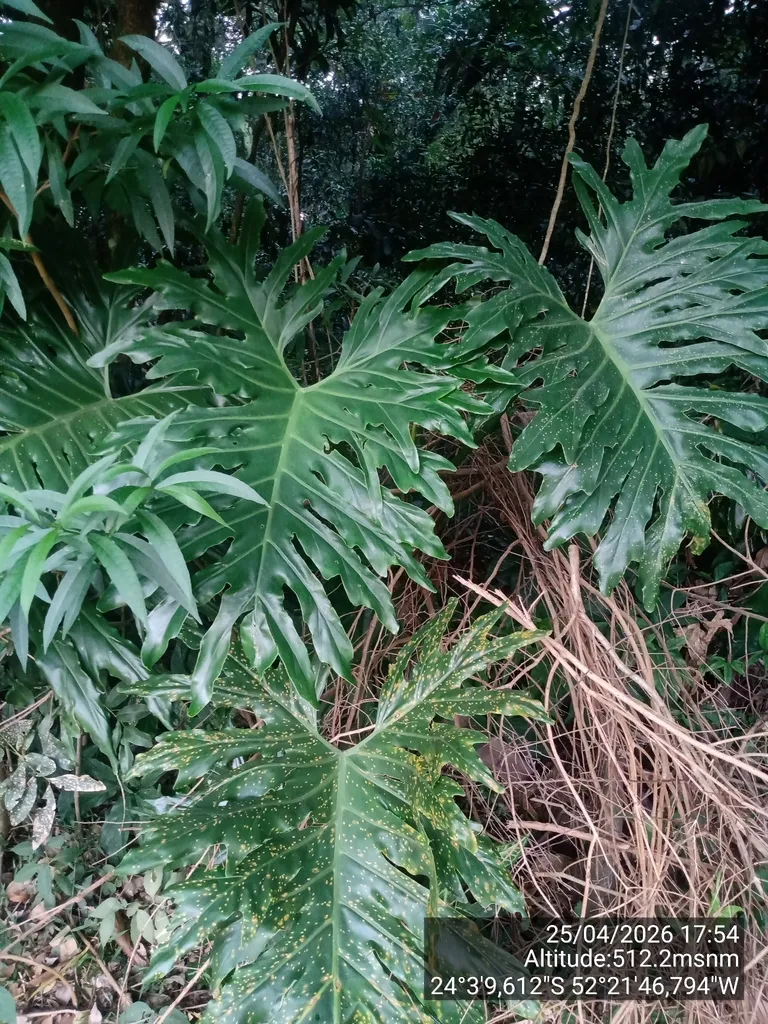
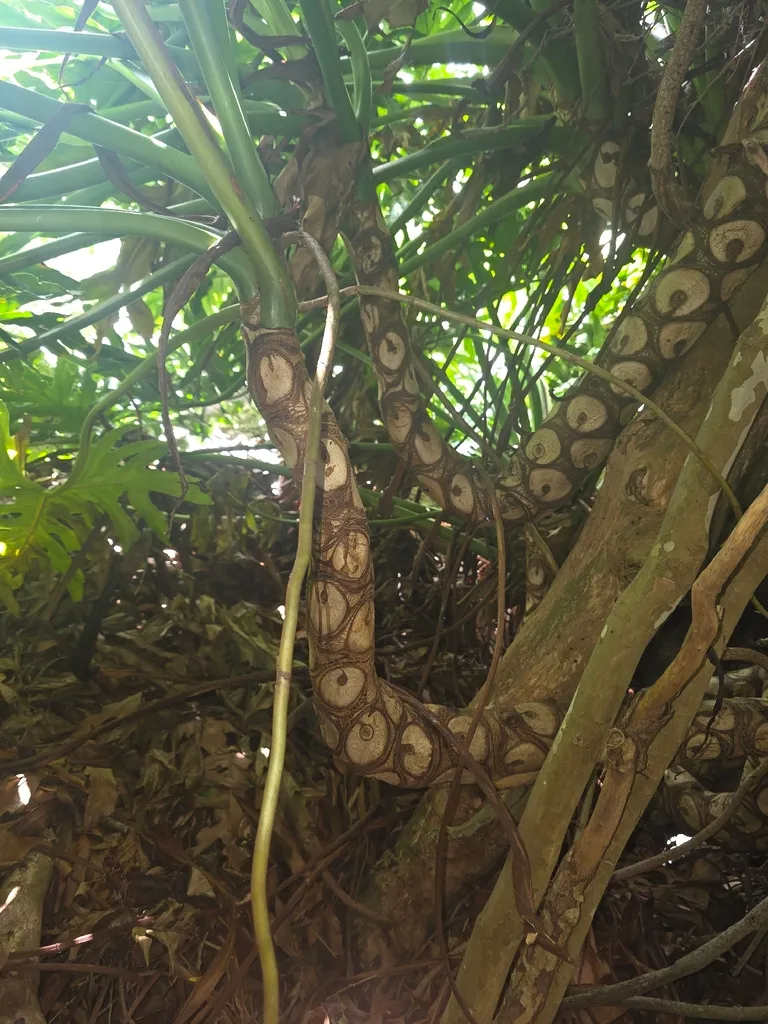
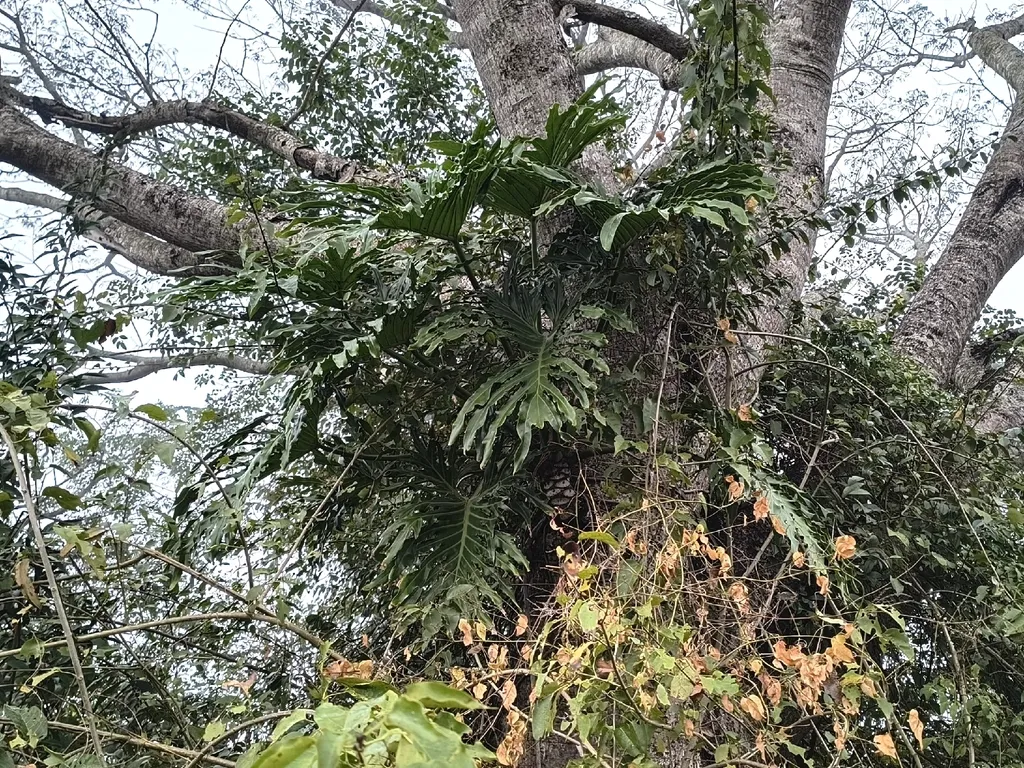
Thaumatophyllum bipinnatifidum (lacy tree philodendron, formerly Philodendron bipinnatifidum / P. selloum) develops a thick, self-heading trunk marked with eye-like leaf scars as older lower leaves naturally shed.
| What you notice | Possible explanation | What to check next |
|---|---|---|
| One or two oldest bottom leaves yellow and droop while the upper crown pushes large lobed leaves | Normal leaf shedding as the self-heading trunk forms | Cut spent lower leaves cleanly near the trunk with gloved hands. |
| Several leaves yellow rapidly while the potting mix stays wet or heavy | Overwatering, poor drainage, or root rot | Empty standing water from the saucer, feel 2 inches into the soil, and inspect drainage holes. |
| New leaves grow on very long, weak petioles with shallow lobes | Insufficient light | Move the plant closer to a bright window with filtered sunlight. |
- Allow the top 1 to 2 inches of potting mix to dry out between thorough waterings, and empty excess saucer water promptly.
- Grow in a chunky, well-draining peat- or bark-amended potting mix in a sturdy pot with open drainage holes.
- Place in bright, indirect light (such as near an east- or west-facing window, or filtered south window) and rotate periodically for even growth.
- Wear gloves when pruning, as the sap contains irritating calcium oxalate crystals.
Thick aerial roots emerging from the trunk are normal; they can be guided into the potting mix for stability.
Brown Leaf Margins or Dry-Air Pests
Crispy edges on the deeply lobed fronds and stippling or webbing on leaf undersides reflect dry indoor air or spider mites.
| What you notice | Possible explanation | What to check next |
|---|---|---|
| Tips of the feathered leaf lobes turn brown and dry in heated rooms | Low indoor humidity or proximity to heating vents | Check distance from heat sources and raise ambient humidity. |
| Fine webbing, pale stippling, or hard scale bumps appear along leaf ribs | Spider mites, thrips, or scale insects | Inspect leaf undersides closely and wipe fronds with a damp cloth before treating. |
- Wipe dust from the large glossy fronds periodically and boost ambient humidity in dry rooms with a humidifier or grouping plants.
- Keep indoor temperatures warm above 13°C to 15°C (55°F to 60°F) away from cold drafts.
- Feed monthly during spring and summer with a balanced liquid fertilizer at half strength, and reduce or pause feeding in winter.
Thaumatophyllum bipinnatifidum is toxic to cats and dogs if chewed or ingested.
The Toxicity of Tree Philodendron
Toxic to humans and pets if ingested; contains calcium oxalate crystals that cause oral irritation, swelling, and digestive upset.