
Tree Philodendron
Also known as: Tree Philodendron, Lacy Tree Philodendron, Split-leaf Philodendron
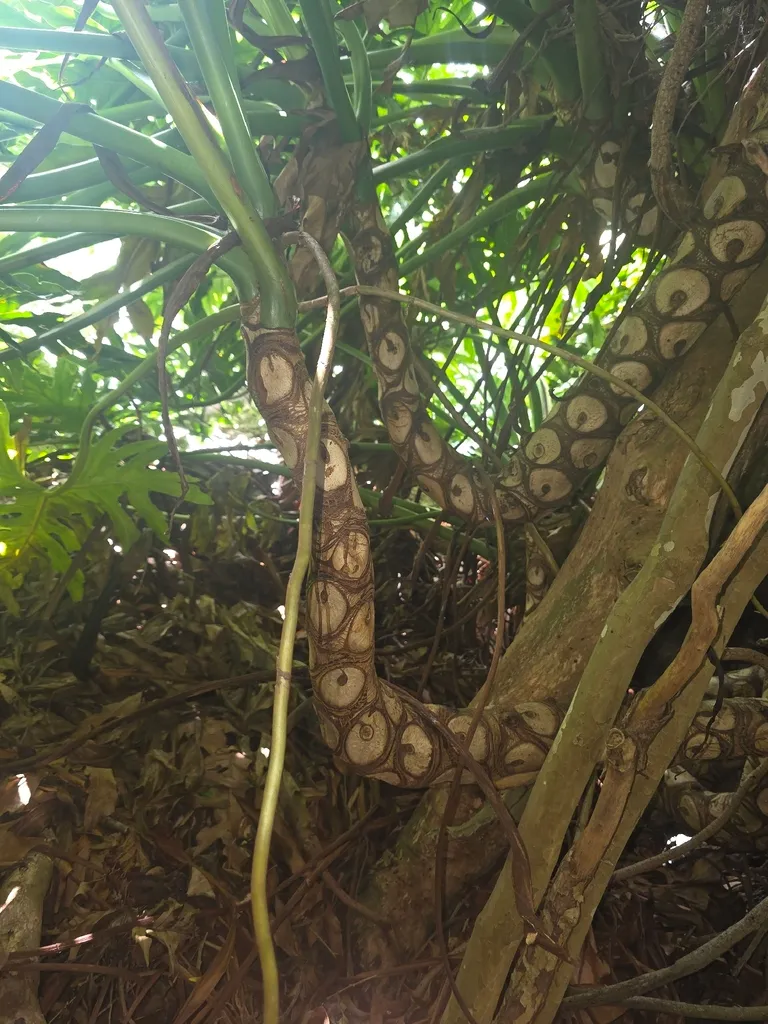
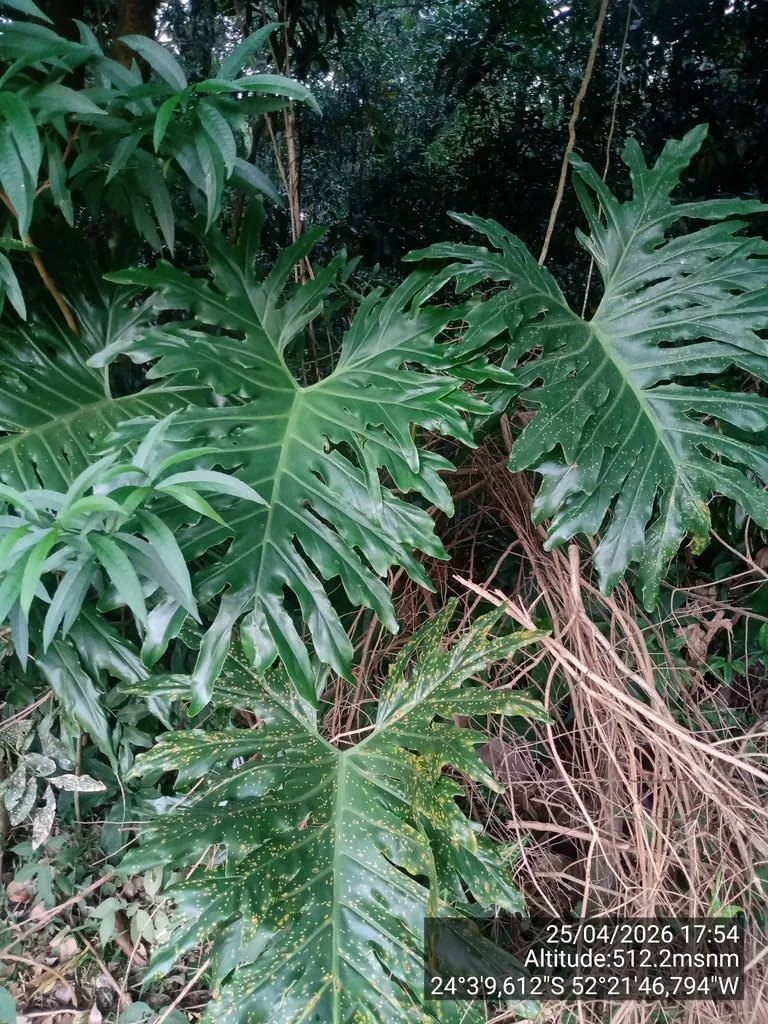
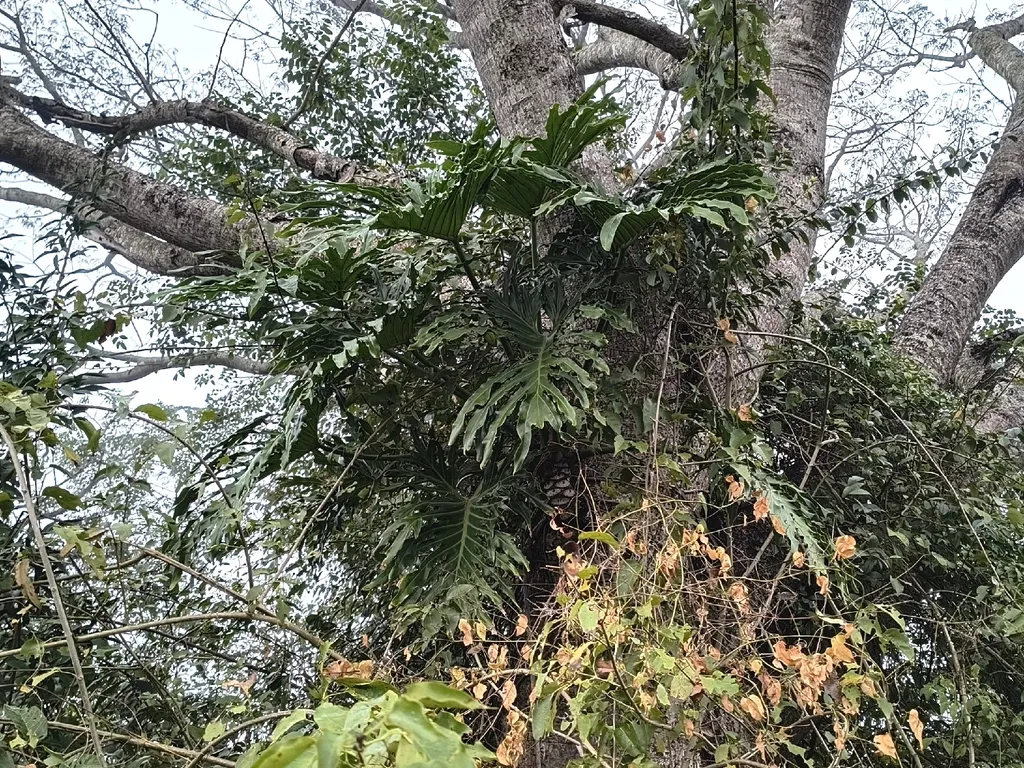
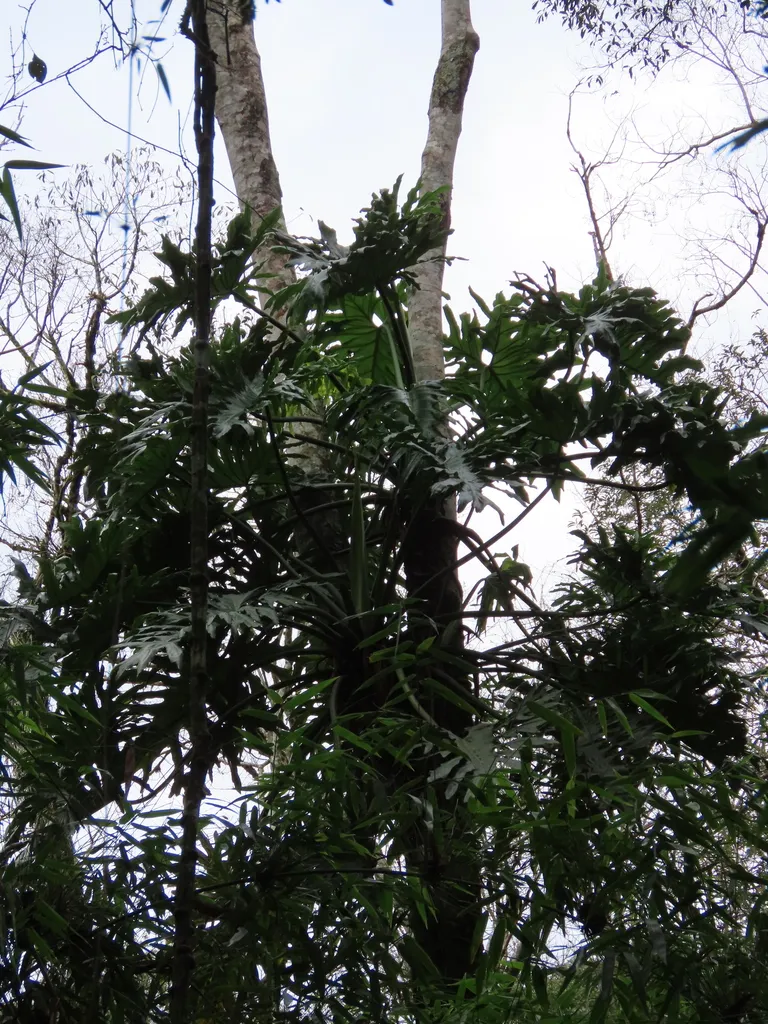
A large, evergreen tropical plant with deeply lobed, glossy dark green leaves that can reach up to 1 meter in length. The leaves are bipinnate, giving a feathery appearance, and are held on long, sturdy petioles. As it matures, it develops a thick, woody stem, making it an impressive architectural houseplant. This plant is prized for its bold foliage and is often used as a focal point in indoor spaces or conservatories.
Scientific classification
- Species
- Tree Philodendron (Thaumatophyllum bipinnatifidum)
- Genus
- Thaumatophyllum
- Family
- Araceae
- Toxic to humans and pets if ingested; contains calcium oxalate crystals that cause oral irritation, swelling, and digestive upset.
- Toxicity
- Foliage · Houseplants · Conservatory Greenhouse
- Plant type
- 1.5 - 2.5 metres
- Height
- 1 - 1.5 metres
- Spread
- Evergreen
- Foliage
- Upright
- Habit
- Spring · Summer · Autumn
- Season of interest
- Bright indirect light
- Sunlight
- 18 – 25 °C
- Ideal temperature









Tree Philodendron pictures
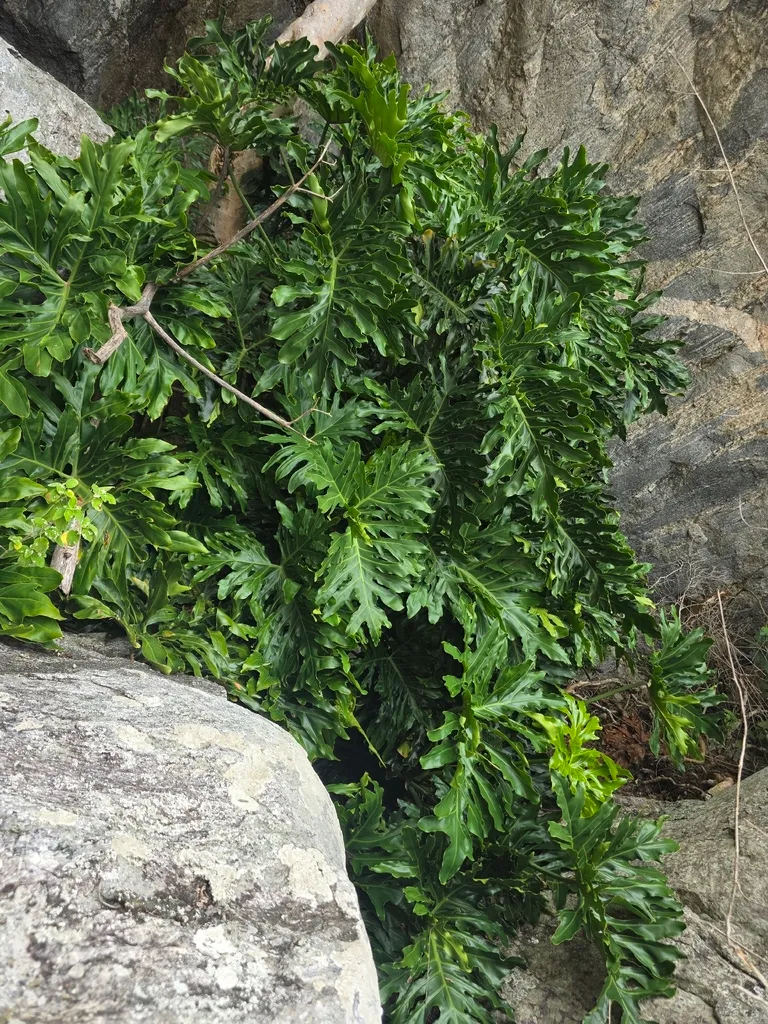
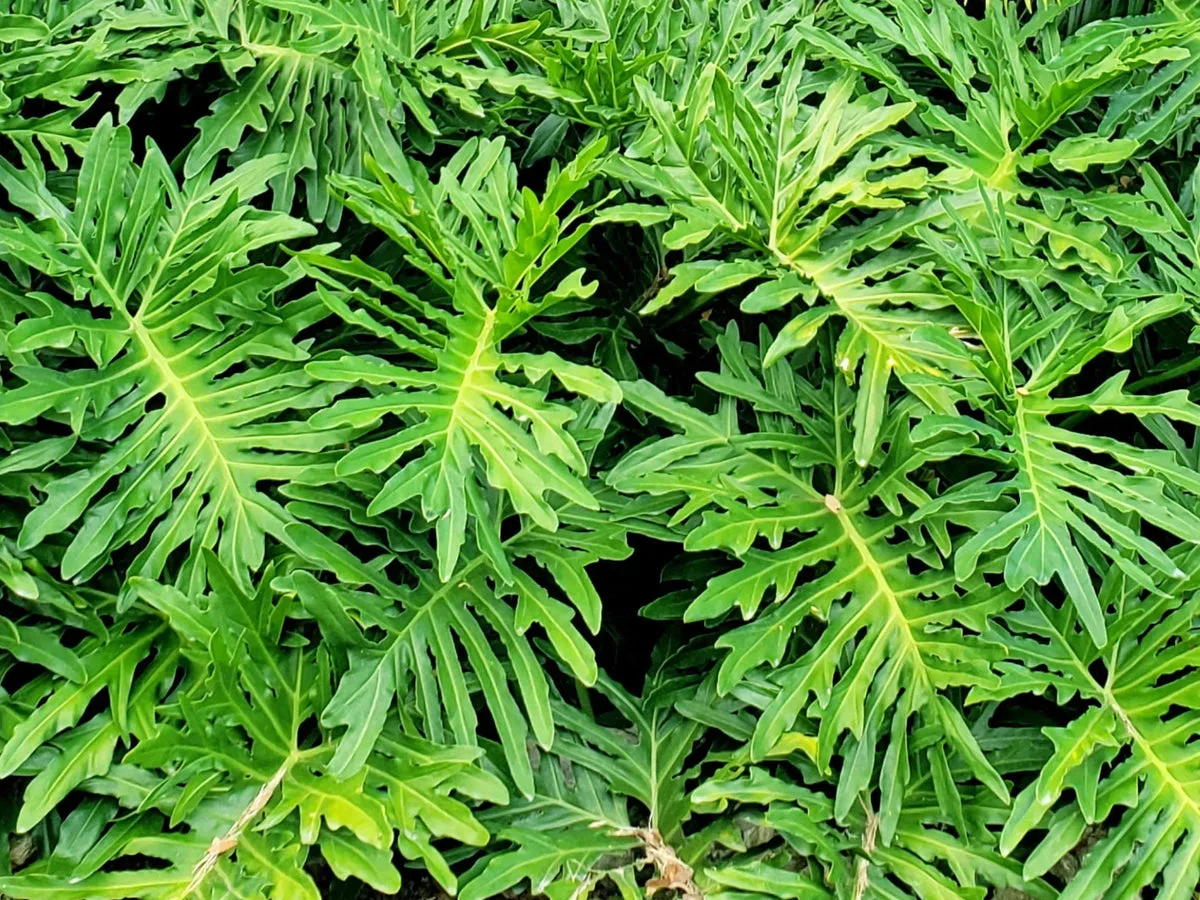
Distribution of Tree Philodendron
Distribution map
South America (Brazil, Paraguay, Argentina)
Information to be completed
Culture
Information to be completed
Toxicity
Toxic to humans and pets if ingested; contains calcium oxalate crystals that cause oral irritation, swelling, and digestive upset.
Quick identification of Tree Philodendron
Information to be completed
Tree Philodendron care guide
- Water thoroughly when soil is dry to touch; less in winter
- Watering
- Bright indirect light
- Sunlight
- 18 – 25 °C
- Ideal temperature

Watering
Water thoroughly when soil is dry to touch; less in winter
Fertilizing
 Fertilizing
Monthly in spring and summer
Pruning
 Pruning
Prune in spring to remove dead or yellowing leaves and to control shape. Cut back overly long stems to encourage bushier growth, using clean, sharp pruners.
Propagation
 Propagation
Propagate by stem cuttings taken in spring or summer. Select a stem section with at least one aerial root and one leaf node, place it in moist sphagnum moss or a well-drained potting mix, and keep in high humidity (e.g., a propagator or plastic bag) at 20–25°C. Roots usually appear within 4–6 weeks. Once rooted, pot up individually.
Growing
 Growing
Grow in bright, indirect light; direct sun can scorch the leaves. Use a well-drained, peat-based potting mix and keep the soil evenly moist during the growing season, allowing the top to dry slightly between waterings in winter. Fertilize monthly with a balanced liquid fertilizer from spring to autumn. This plant thrives in temperatures between 18–25°C and should not be exposed to temperatures below 10°C. Regularly wipe the leaves to keep them free of dust and enhance photosynthesis.
People also ask
Information to be completed
Common pests and diseases
Diseases
Susceptible to root rot if overwatered or grown in poorly drained soil. Leaf spot diseases may occur in high humidity with poor air circulation.
Pests
Common pests include spider mites, scale insects, and thrips. Check leaves regularly and treat infestations with insecticidal soap or neem oil.
Explore the plant health library →




