



Planting and Growing String of Nickels

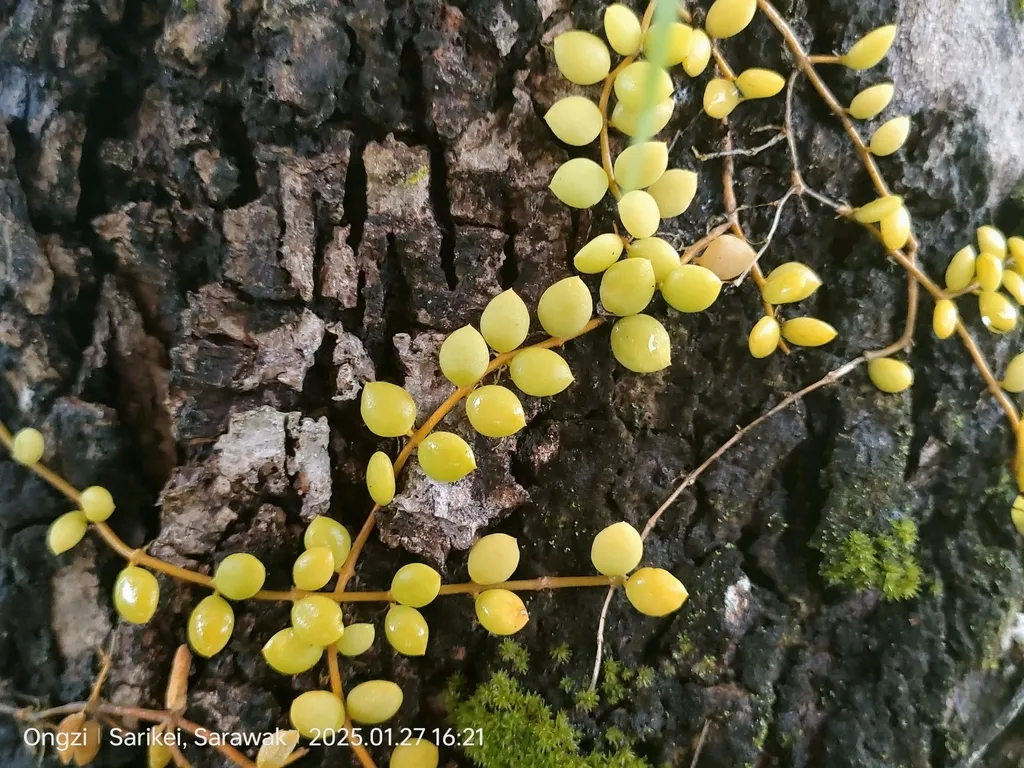
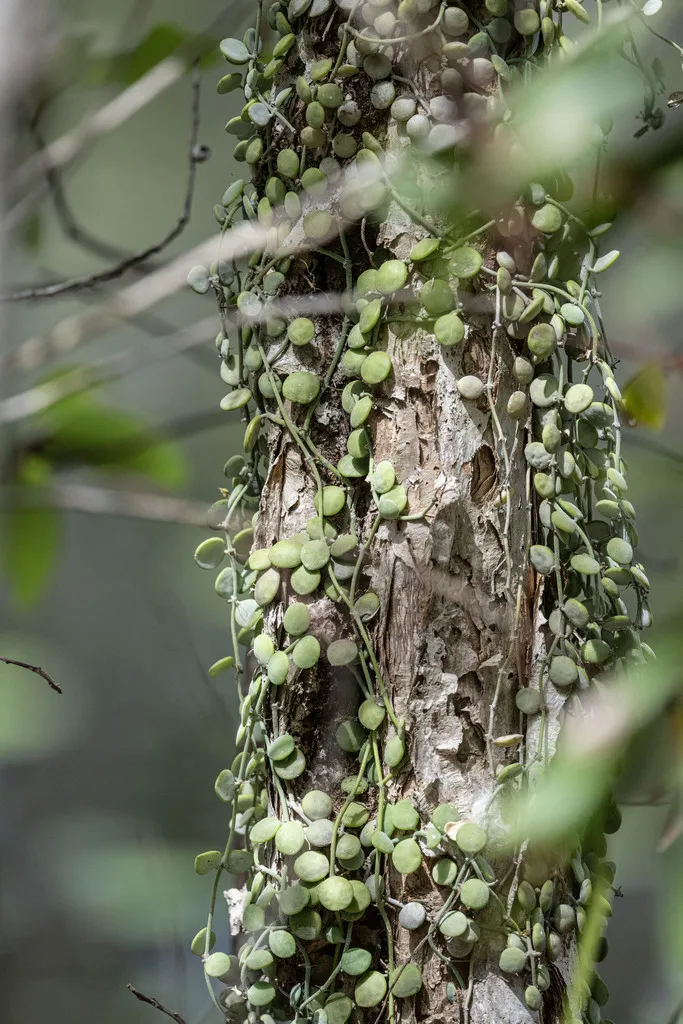
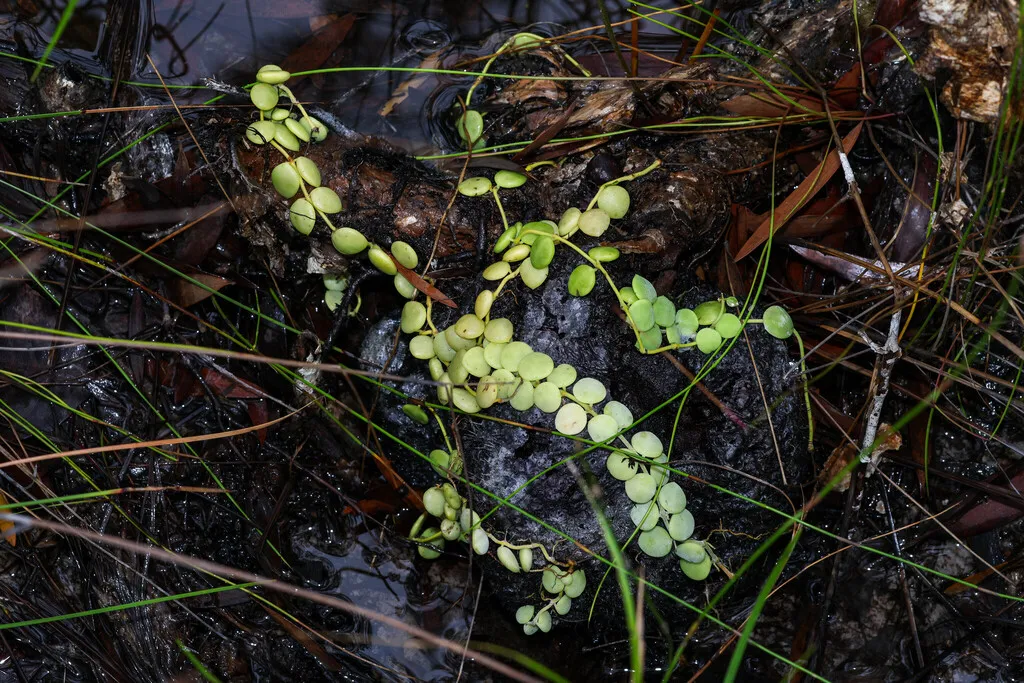
| Care difficulty | 2 / 5 |
|---|---|
| Watering schedule | Water when soil is nearly dry, avoid overwatering |
| Sunlight requirements | Bright indirect light |
| Ideal temperature | 18 – 27 °C |
| Soil type | Loam · Sand |
| Soil pH | Neutral · Acid |
| Soil moisture | Dry between watering · Well-drained |
| Fertilizing | Monthly with diluted liquid fertilizer during growing season |
| Toxicity | Non-toxic to humans and pets, but ingestion may cause mild digestive discomfort. |
How to Water String of Nickels?
Originating from the humid and warm regions of Southeast Asia, string of nickels has adapted to absorb moisture efficiently, making it quite tolerant to periods without water. This epiphytic plant thrives in environments that mimic its native tropical rainforest habitat, with a preference for high humidity and indirect light. Watering should be done once every two weeks, allowing the soil to dry out slightly between sessions. As an indoor ornamental, string of nickels benefits from regular misting to maintain ambient moisture levels, enhancing its vigor during active growth cycles.
Learn more →What Are the Sunlight Requirements for String of Nickels?
String of nickels thrives in locations with partial sunlight, where light is dappled or filtered through curtains of foliage, maintaining vibrant growth and leaf coloration. While it can endure full shade, string of nickels's growth rate may decrease, and the foliage spread could be less generous. In indoor settings, string of nickels should be placed where soft, indirect light can mimic its preference for light intensity akin to its natural under-canopy habitat, avoiding direct sun exposure that may scorch its leaves. Outdoors, string of nickels is best situated in a sheltered position that mirrors the speckled light of a forest edge, accommodating its resilience to lower light levels while leveraging its adaptability for ideal growth.
Learn more →What Is the Ideal Temperature Range for String of Nickels?

String of nickels shows moderate resilience to temperature fluctuations. It can endure temperatures as low as 5℃ (41℉) and as high as 43℃ (109℉). Such tolerance means that while string of nickels can survive in a range of climates, it requires protection during extreme cold or heat. In cooler temperatures, growth may slow, leaves may curl, or turn brown; in excessive heat, it may wilt or develop scorched leaves. To care for string of nickels, move it indoors during extreme cold and ensure proper shading and hydration during hot weather.
Learn more →What Soil Is Best for String of Nickels?
- Soil type
- Loam · Sand
- Soil pH
- Neutral · Acid
What Are the Moisture Requirements for String of Nickels?
Dry between watering · Well-drained
Learn more →How to Fertilize String of Nickels?

For string of nickels, a balanced but nitrogen-rich fertilizer is ideal to support its vibrant foliage growth. Fertilize every 4-6 weeks during active growth in spring and summer, with a reduced frequency to once every 2 months in fall and winter. Dilute the fertilizer to half the recommended dose to prevent root burn. Benefits of this regime include a robust root system, lusher leaves, and potentially more cascading stems. Always water string of nickels thoroughly before applying fertilizer to protect the roots. For younger plants or those in a growth phase, adhere to the frequent schedule, while mature, established specimens require less. Apply practical caution by observing string of nickels's response to feeding and adjusting as necessary.
Learn more →How to Prune String of Nickels?

String of nickels is a trailing epiphyte recognized for its round, coin-like leaves. Optimal pruning times are in early to late spring, coinciding with its active growth phase. Key techniques include trimming leggy stems to encourage bushier growth and removing dead or discolored leaves. Pruning not only maintains an aesthetic appearance but also promotes healthier growth by enhancing air circulation. Regular pruning also prevents the plant from becoming too dense, which can hinder light penetration.
Learn more →How to Propagate String of Nickels?

String of nickels is readily propagated through cuttings, a straightforward method fitting for this evergreen epiphyte. The cuttings should be taken from healthy, mature growth to improve success rates. When taking cuttings, use a sharp, sanitized blade to minimize damage and potential infection. The cut ends can be allowed to callous slightly before being placed in a well-draining medium, which is crucial to prevent rot. Maintaining a warm, humid environment aids in the rooting process, encouraging quick establishment. Rooting hormone application, though not necessary, can expedite root development for string of nickels.
Learn more →How to Transplant String of Nickels?
Ideal for transplanting string of nickels, mid-summer through early fall, when growth is active and conditions are benign. Choose a bright, indirect light location and gently loosen tangled roots to encourage healthy settling in its new home.
Learn more →How to Plant String of Nickels?
Grow Dischidia nummularia in bright, indirect light; it tolerates moderate shade but will become leggy in low light. Use a very well-drained, coarse potting mix such as orchid bark mixed with perlite or cactus compost. Water thoroughly only when the growing medium is nearly dry, reducing watering in winter. This plant thrives in warm, humid conditions (18-30°C) and benefits from occasional misting. Fertilise monthly with a balanced, diluted liquid fertiliser during the growing season. It is not frost-hardy and must be kept above 15°C.
Learn more →How to Repot String of Nickels?
For the intricate 'string of nickels', a quaint climber with button-like foliage, repotting every 2-3 years sustains its health. Springtime is ideal, coinciding with growth spurts. Choose a small, snug pot, promoting its epiphytic roots. Post-repot, give bright, indirect light and keep the soil lightly moist to recover. Remember, repot gently to maintain its delicate stems and roots for this unique, cascading beauty.
Learn more →Common Pests & Diseases

Diseases
Generally disease-resistant but may develop root rot if overwatered or kept in poorly draining medium. Avoid waterlogged conditions.
Pests
Susceptible to mealybugs and scale insects, especially when grown indoors. Inspect regularly and treat with insecticidal soap if needed.
Explore the plant health library →Troubleshooting
Soft Basal Rot or Splitting Leaves vs. Wrinkled Dehydration
String of Nickels (Dischidia nummularia) stores water in fleshy leaves or stems and depends on sharply drained mineral compost; excess moisture in cool or dormant periods quickly causes rot or split tissues.
| What you notice | Possible explanation | What to check next |
|---|---|---|
| Base of stem or lower leaves turns dark brown/black, soft, and translucent while soil stays damp | Root or stem rot from overwatering, heavy compost, or watering during dormancy | Check pot drainage holes, inspect lower soil wetness, and test base firmness gently |
| Fleshy leaves or stems look wrinkled, deflated, or limp while gritty soil is bone dry during active growth | Underwatering as the plant draws on stored tissue moisture | Check deep soil dryness and confirm seasonal growth activity |
- Pot in a sharply drained cactus/succulent compost (amended with pumice, coarse sand, grit, or perlite) in a container with open drainage holes.
- Follow seasonal moisture cues: Water when soil is nearly dry, avoid overwatering.
- If rot develops at the base, cut away healthy upper stems or offsets with a sterilized blade, let cut ends dry and callous for several days, and root in fresh gritty mix.
Stop watering immediately if soft black rot spreads from the base, and discard rotted tissues and wet old soil.
Etiolated Growth or Mealybugs, Scale, and Spider Mites
Insufficient direct sunlight stretches new growth and dulls natural coloration in String of Nickels (Dischidia nummularia), while mealybugs, root mealybugs, and scale often shelter in leaf axils or roots.
| What you notice | Possible explanation | What to check next |
|---|---|---|
| New growth stretches pale green with wide internodes instead of staying compact and richly colored | Insufficient bright light | Evaluate daily hours of direct or bright filtered light at the current site |
| White cottony tufts, sticky honeydew, or hard brown bumps along stems, leaf bases, or roots | Sap-sucking pests (Susceptible to mealybugs and scale insects, especially when grown indoors. Inspect regularly and treat with insecticidal soap if needed.) | Inspect stem junctions, leaf undersides, and the soil line closely |
- Acclimate gradually to bright indirect light so new growth develops compact form and natural coloration without sudden sunburn.
- Isolate infested plants and dab visible mealybugs or scale with rubbing alcohol on a cotton swab, or apply insecticidal soap per label directions.
- Protect frost-tender plants indoors or under cover before freezing weather arrives.
Already stretched stems will not shrink back, though compact healthy growth will resume once bright light is restored.
The Toxicity of String of Nickels
Non-toxic to humans and pets, but ingestion may cause mild digestive discomfort.