
String of Nickels
Also known as: String of Nickels, Nickel Vine, Button Orchid, Ant Plant
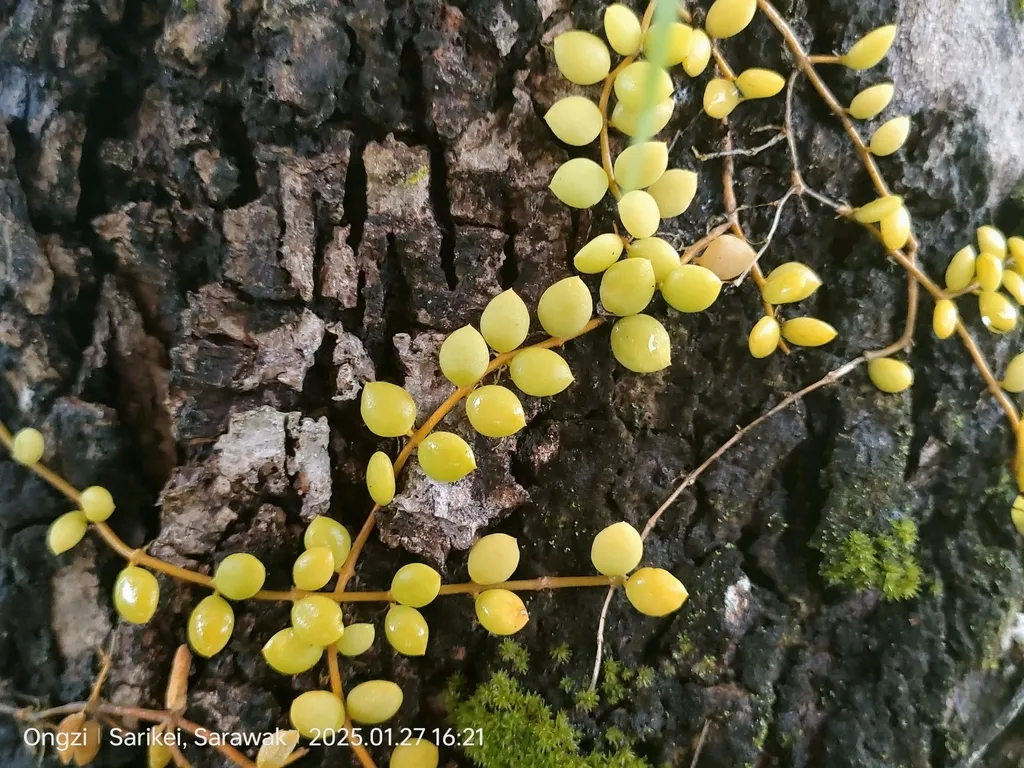
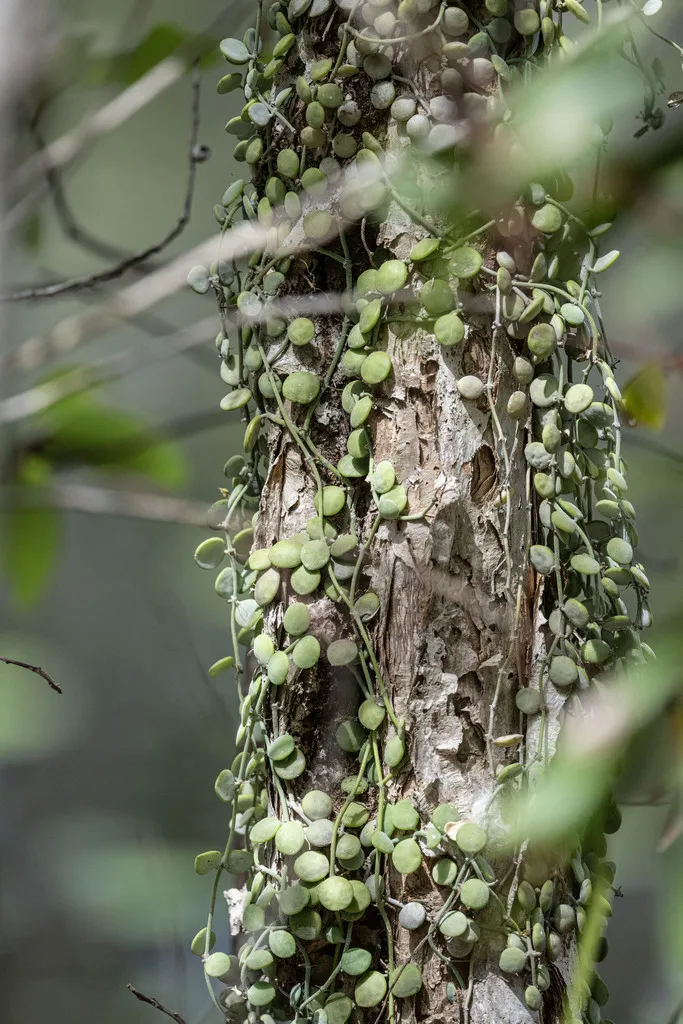
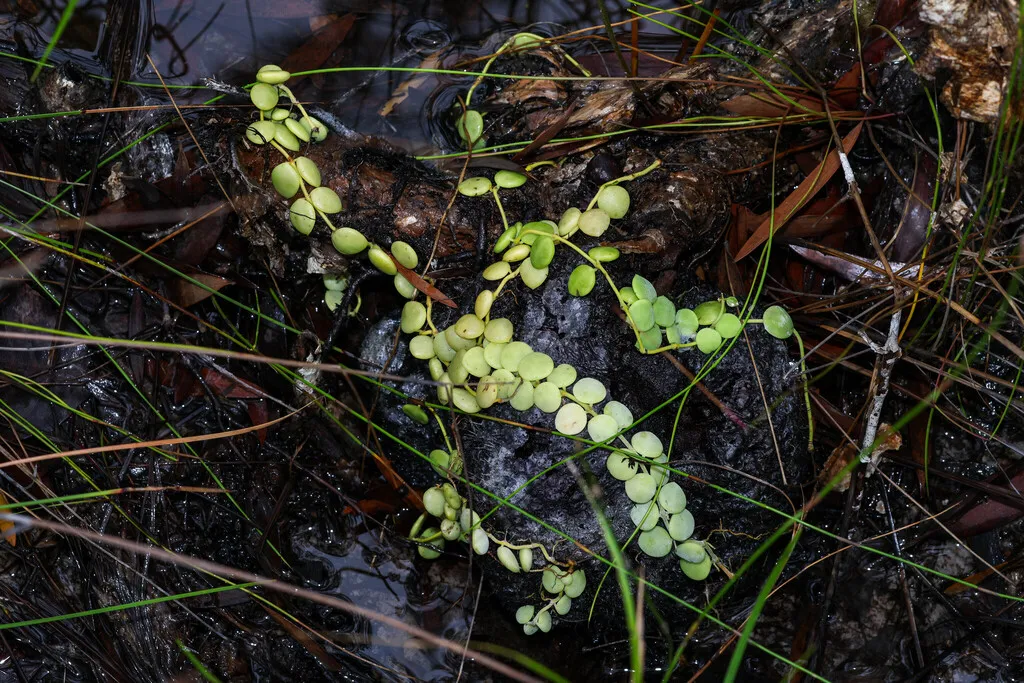
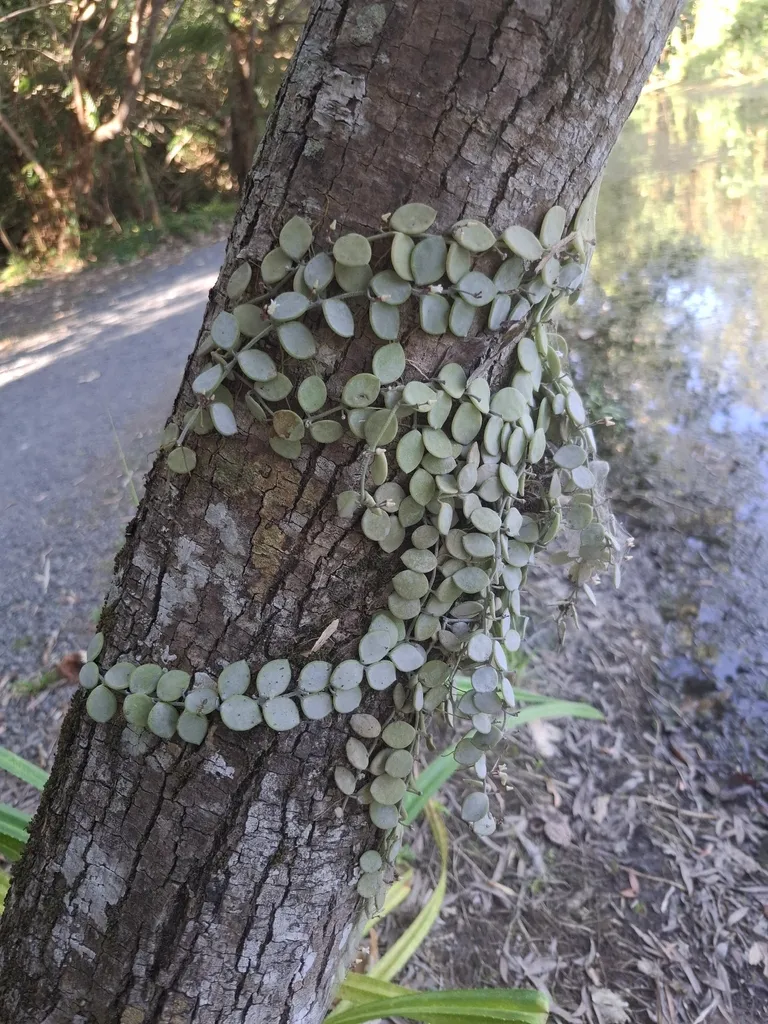
Dischidia nummularia, commonly known as String of Nickels or Nickel Vine, is a creeping, epiphytic succulent with small, round, fleshy leaves resembling coins. The leaves are bright green and densely arranged along thin, wiry stems that trail or climb over surfaces. Tiny, inconspicuous yellow flowers occasionally appear in summer but the plant is primarily grown for its unique, bead-like foliage. It forms a dense mat when allowed to spread, making it an excellent choice for hanging baskets or as a ground cover in tropical terrariums.
Scientific classification
- Species
- String of Nickels (Dischidia nummularia)
- Genus
- Dischidia
- Family
- Apocynaceae
- Order
- Gentianales
- Class
- Magnoliopsida
- Phylum
- Magnoliophyta
- Non-toxic to humans and pets, but ingestion may cause mild digestive discomfort.
- Toxicity
- Houseplants · Succulent · Climber
- Plant type
- 0.1 - 0.3 metres
- Height
- 0.3 - 1.0 metres
- Spread
- Evergreen
- Foliage
- Trailing · Climbing
- Habit
- Spring · Summer
- Season of interest
- Bright indirect light
- Sunlight
- 18 – 27 °C
- Ideal temperature









String of Nickels pictures
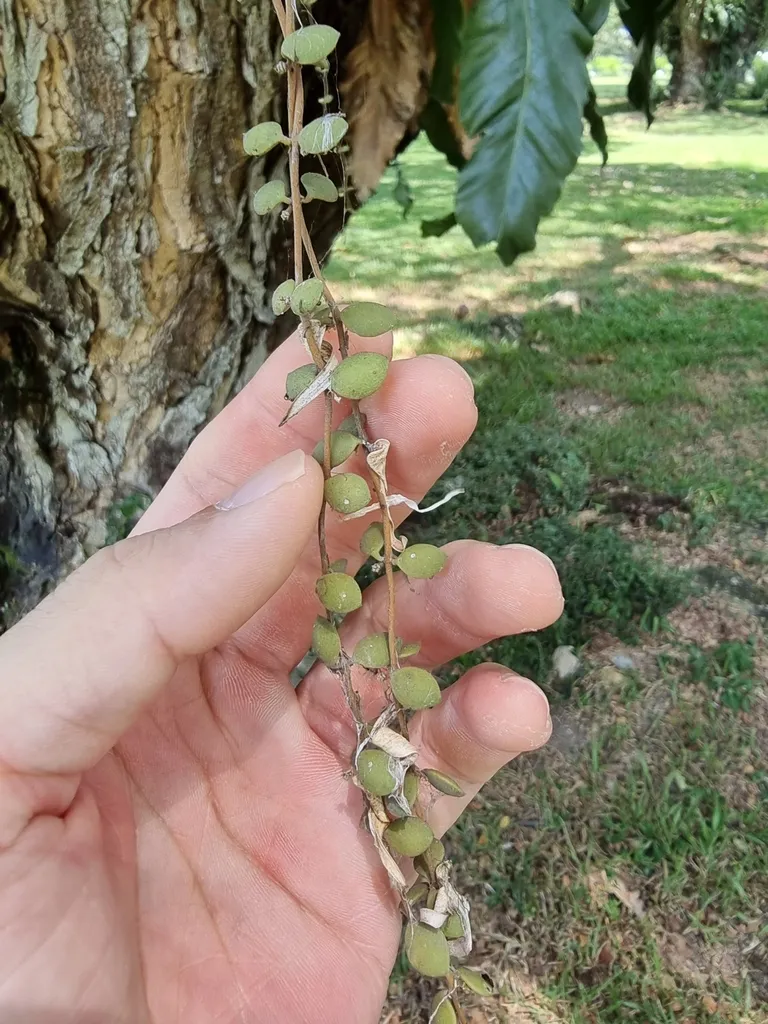
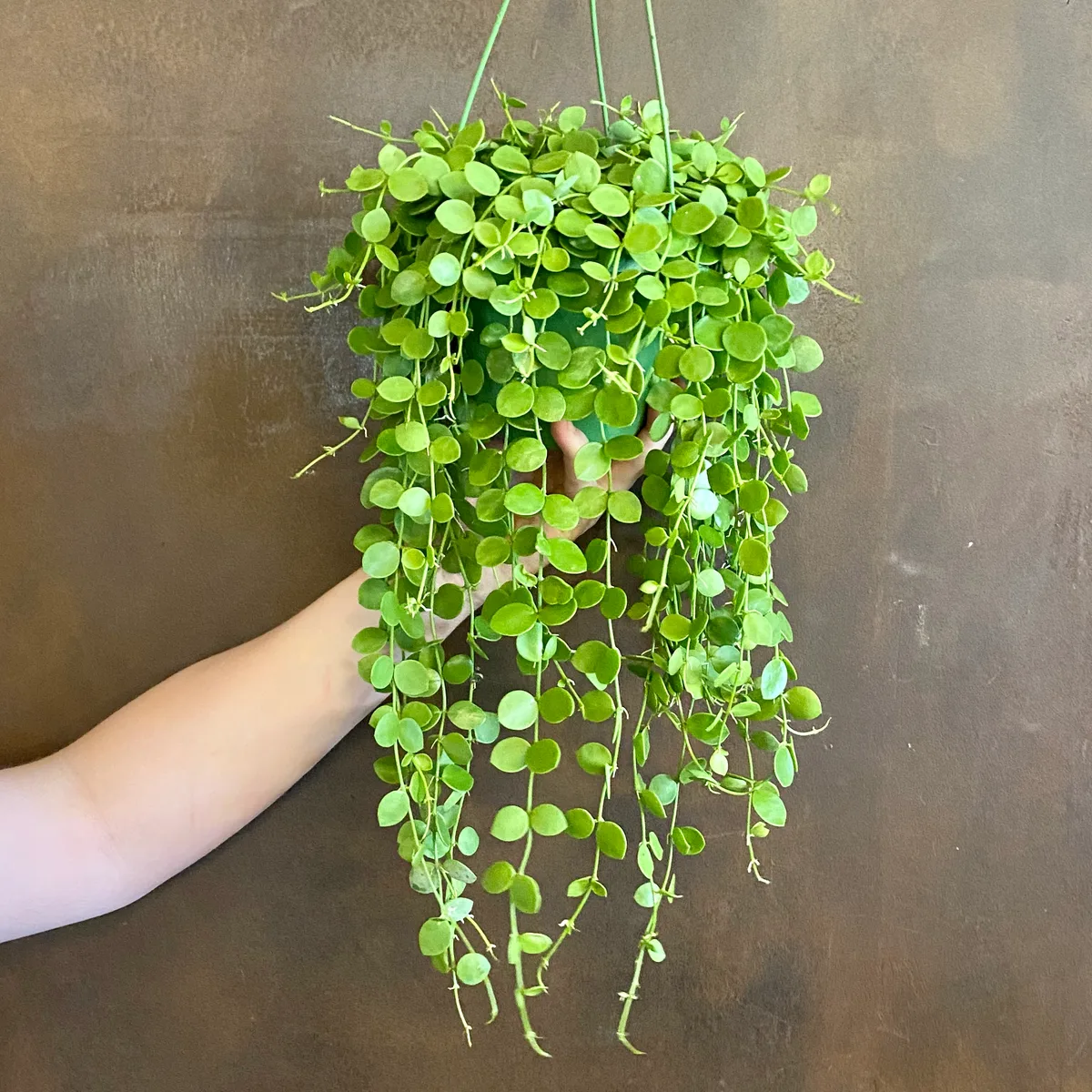
Distribution of String of Nickels
Distribution map
- Native
- Introduced
- Cultivated
Locally extinct or doubtful records are excluded from native and introduced layers.
Source:WCVP v16 · Royal Botanic Gardens, Kew · CC BY 3.0 · Boundaries:WGSRPD / TDWG
Toxicity
Non-toxic to humans and pets, but ingestion may cause mild digestive discomfort.
String of Nickels care guide
- Water when soil is nearly dry, avoid overwatering
- Watering
- Bright indirect light
- Sunlight
- 18 – 27 °C
- Ideal temperature

Watering
Water when soil is nearly dry, avoid overwatering
Fertilizing
 Fertilizing
Monthly with diluted liquid fertilizer during growing season
Pruning
 Pruning
Prune lightly in spring to remove dead or leggy stems and to encourage bushier growth. Trim trailing stems as needed to maintain desired size or shape.
Propagation
 Propagation
Propagate easily from stem cuttings taken in spring or early summer. Cut a stem segment with several leaves, allow the cut end to callus for a day, then insert into moist perlite or sphagnum moss. Cover with a plastic bag to maintain humidity and keep in bright, warm place (20-25°C). Roots usually appear within 2-4 weeks.
Growing
 Growing
Grow Dischidia nummularia in bright, indirect light; it tolerates moderate shade but will become leggy in low light. Use a very well-drained, coarse potting mix such as orchid bark mixed with perlite or cactus compost. Water thoroughly only when the growing medium is nearly dry, reducing watering in winter. This plant thrives in warm, humid conditions (18-30°C) and benefits from occasional misting. Fertilise monthly with a balanced, diluted liquid fertiliser during the growing season. It is not frost-hardy and must be kept above 15°C.
Common pests and diseases
Diseases
Generally disease-resistant but may develop root rot if overwatered or kept in poorly draining medium. Avoid waterlogged conditions.
Pests
Susceptible to mealybugs and scale insects, especially when grown indoors. Inspect regularly and treat with insecticidal soap if needed.
Explore the plant health library →




