



Planting and Growing Watermelon

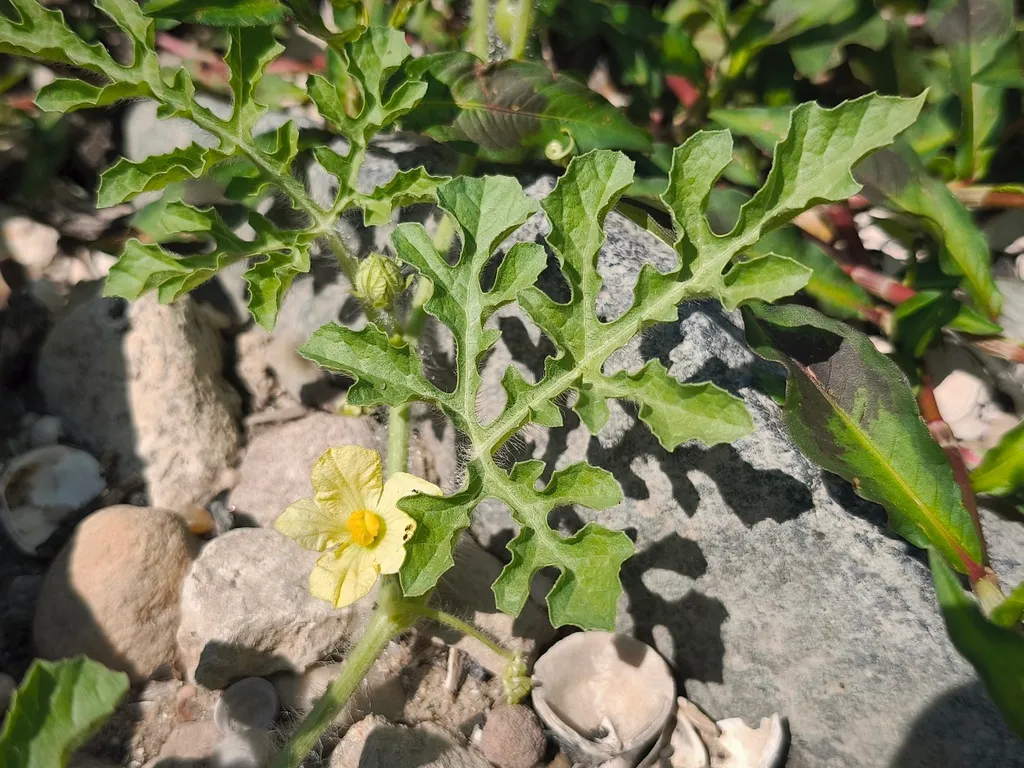
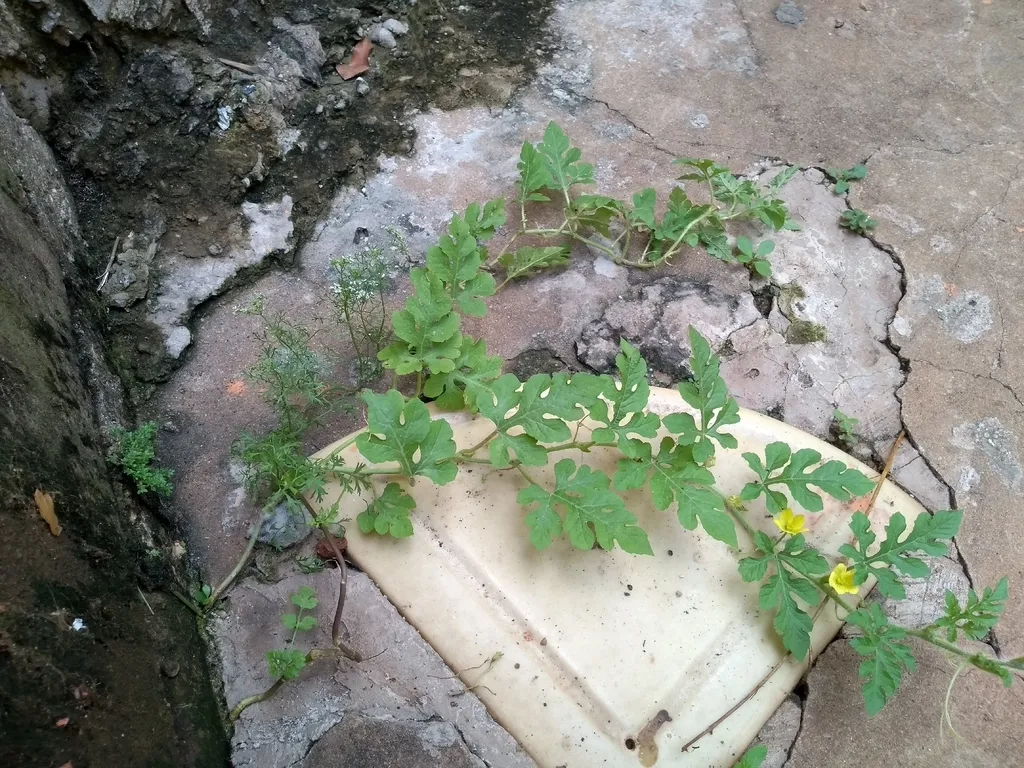
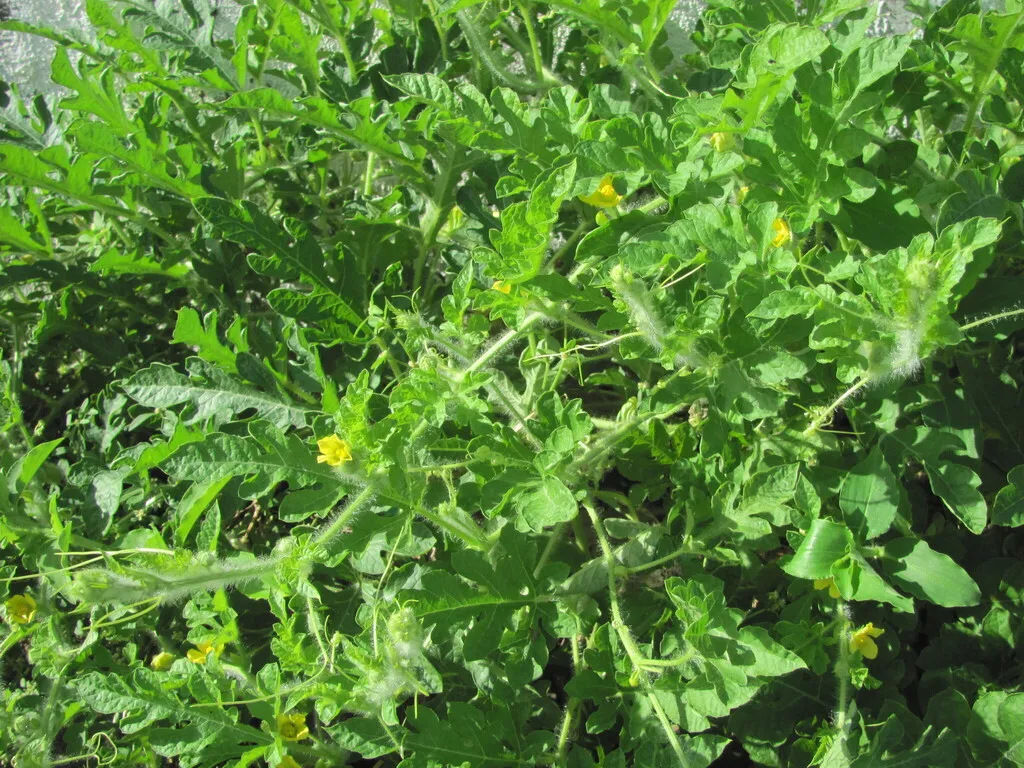
| Care difficulty | 3 / 5 |
|---|---|
| Watering schedule | Water deeply once a week, reduce when fruit ripens |
| Sunlight requirements | Full sun |
| Ideal temperature | 20 – 30 °C |
| Soil type | Loam · Sand |
| Soil pH | Neutral |
| Soil moisture | Moist but well drained |
| Fertilizing | Every 2 weeks during growing season with balanced fertilizer |
| Toxicity | Non-toxic |
How to Water Watermelon?
Originating from arid regions, watermelon has evolved to store water efficiently, making it drought-tolerant. This succulent thrives in environments that mimic its native dry conditions and requires minimal watering, maintaining a balance between hydration and drainage. Watering should be done twice a week to ensure optimal growth without over-saturation. Typically grown outdoors due to its sprawling habit, watermelon benefits greatly from the warm season's rains, which complement its water cycle and reduce the need for supplemental irrigation.
Learn more →What Are the Sunlight Requirements for Watermelon?
Watermelon thrives best in full sun conditions, necessitating at least six hours of direct sunlight daily to optimize growth and fruit production. Although watermelon can tolerate partial sun, where it may receive some dappled light throughout the day, excessive shade may impede its development, leading to weaker plants and reduced yields. With its broad, spreading leaves, watermelon is adept at capturing sunlight efficiently, which is crucial for photosynthesis. In terms of planting positions, watermelon is predominantly an outdoor plant requiring spaces like open fields or garden beds with unobstructed access to sunlight. Ensuring watermelon receives ideal lighting is fundamental for maintaining its health and maximizing fruit quality.
Learn more →What Is the Ideal Temperature Range for Watermelon?

20 – 30 °C
Learn more →What Soil Is Best for Watermelon?
Native to Africa, watermelon grows in warm climates with well-drained, loamy soil enriched with sand. It thrives in neutral pH (6.0-6.5), crucial for nutrient absorption. Ensure soil mix includes garden soil, sand, and compost in a 2:1:1 ratio. Good drainage is essential—use raised beds or amend soil with perlite. Fertilize with balanced NPK (10-10-10) monthly during the growing season for optimal growth.
- Soil type
- Loam · Sand
- Soil pH
- Neutral
What Are the Moisture Requirements for Watermelon?
Moist but well drained
Learn more →How to Fertilize Watermelon?

Fertilizing watermelon enhances growth and fruit yield. Use balanced nutrition fertilizers like 10-10-10 NPK, applying 2-3 pounds per 100 square feet pre-planting, and side-dress lightly at flowering. Frequency varies: high-nutrient-demand during flowering and early fruiting, less post-harvest. Over-fertilization risks overgrowth or burn; under-fertilization leads to poor yield. Apply in the morning, water well to aid absorption. Seasonal adjustments are vital for optimal plant health. Follow label instructions and local guidance for precise dosing tailored to watermelon's growth stage and soil conditions.
Learn more →How to Prune Watermelon?

Watermelon is a vine-like plant known for its large, sweet fruit. Key pruning techniques include removing lateral vines to focus energy on the main stem and fruit-bearing branches, cutting back excess foliage to improve sunlight exposure, and snipping off small, underdeveloped fruits. The optimal time for pruning is from early to late spring, coinciding with the plant’s active growth phase. Pruning promotes better air circulation, reduces disease risk, and enhances fruit quality and size.
Learn more →How to Propagate Watermelon?

For watermelon, springtime is ideal for propagation, with sowing being the preferred method. This plant is relatively easy to propagate, and successful propagation is indicated by healthy green sprouts. Ensure fertile, well-drained soil for optimal results.
Learn more →How to Transplant Watermelon?
For a thriving watermelon, transplant during the peak of its growing season, typically mid-summer to late summer. Select a sunny location with well-draining soil, rich in organic matter. Ensure ample space for growth, and support the delicate roots during the transplant process for a flourishing display.
Learn more →How to Plant Watermelon?
Indoors-potted: For watermelon indoors, ensure a sturdy trellis for support as vines can be vigorous even in limited space. Outdoors-potted: Outdoor pots must accommodate watermelon's extensive root system; choose deep containers for healthy growth. Outdoors-in the ground: Watermelon thrives outdoors with plenty of space, allowing its sprawling habit to produce ample fruits.
Learn more →Common Pests & Diseases

Diseases
Susceptible to powdery mildew, downy mildew, anthracnose, and Fusarium wilt. Provide good air circulation and avoid overhead watering to reduce disease incidence. Use resistant cultivars where available.
Pests
Common pests include aphids, spider mites, cucumber beetles, and squash bugs. Monitor regularly and use insecticidal soap or neem oil as needed.
Explore the plant health library →Troubleshooting
Blossom-End Abortion, Poor Fruit Set, or Powdery Mildew
Watermelon (Citrullus lanatus) depends on full sun, well-drained fertile soil, and steady moisture during active growth and harvest development.
| What you notice | Possible explanation | What to check next |
|---|---|---|
| Small female fruits turn yellow-black at the blossom end and shrivel shortly after opening | Incomplete bee pollination, extreme heat, or uneven soil moisture during fruit set | Observe bee activity on morning blooms and check soil moisture depth |
| White powdery patches spread across older leaves, or vines wilt suddenly in warm weather | Powdery mildew or Fusarium/bacterial wilt | Inspect leaf surfaces for white mildew and check stem bases |
- Provide full sun (6–8+ hours daily), keep soil evenly moist during flowering and fruit swelling, and hand-pollinate morning female flowers if bee activity is low.
- Water at the base of plants early in the day rather than wetting foliage overhead to reduce fungal diseases.
- Place clean straw or cardboard under developing fruits to prevent ground rot, and remove heavily mildewed leaves.
Ease back watering slightly during the final week before harvest to concentrate sweetness and reduce fruit splitting.
Sap-Sucking Pests, Beetles, or Slugs
Edible crops and fruiting plants attract aphids, spider mites, scale, beetles, or slugs during warm growth.
| What you notice | Possible explanation | What to check next |
|---|---|---|
| Curled new shoots, sticky honeydew, or fine webbing on leaf undersides | Aphids, spider mites, whiteflies, or scale insects | Inspect growing tips and leaf undersides closely |
| Chewed leaves or young shoots near soil level | Slugs, snails, leaf beetles, or caterpillars | Inspect foliage and soil surface early in the morning |
- Rinse aphids and spider mites off sturdy foliage with a firm spray of water, and hand-pick beetles or slugs.
- Encourage beneficial predators and keep garden beds free of decaying plant debris.
- If needed, apply food-crop-approved insecticidal soap or horticultural oil strictly according to label directions and pre-harvest intervals.
Always wash harvested fruits, herbs, and vegetables thoroughly before eating, and avoid spraying open blossoms.
The Toxicity of Watermelon
Non-toxic