
Watermelon
Also known as: Watermelon, Citrullus lanatus, wild watermelon, egusi melon
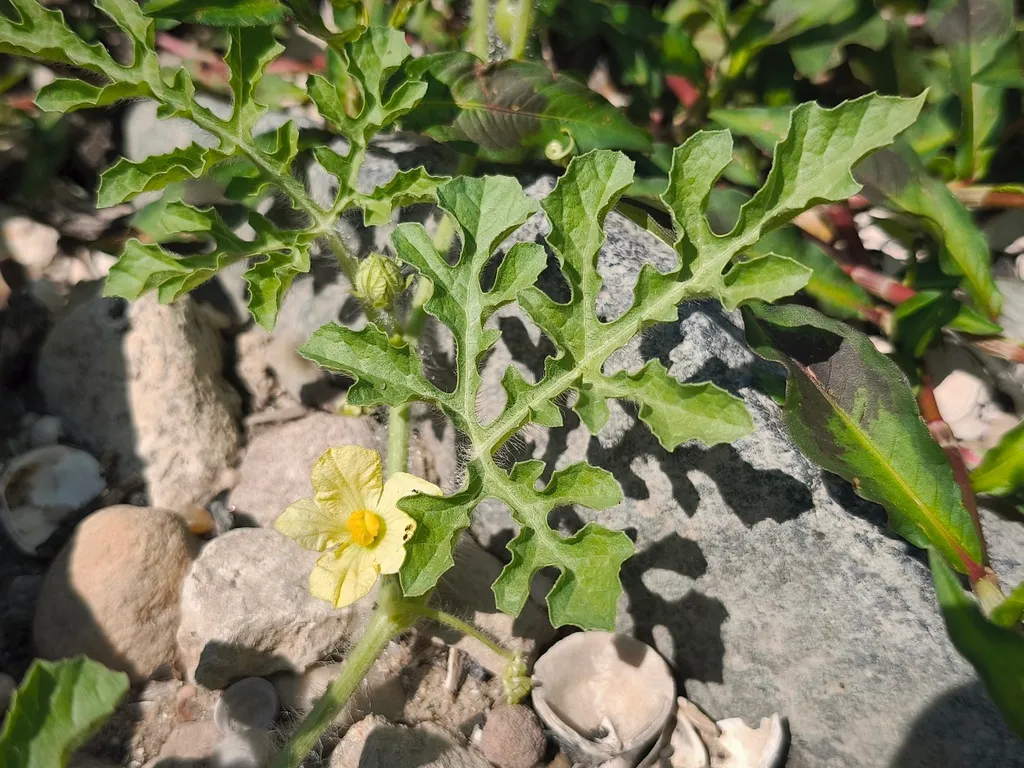
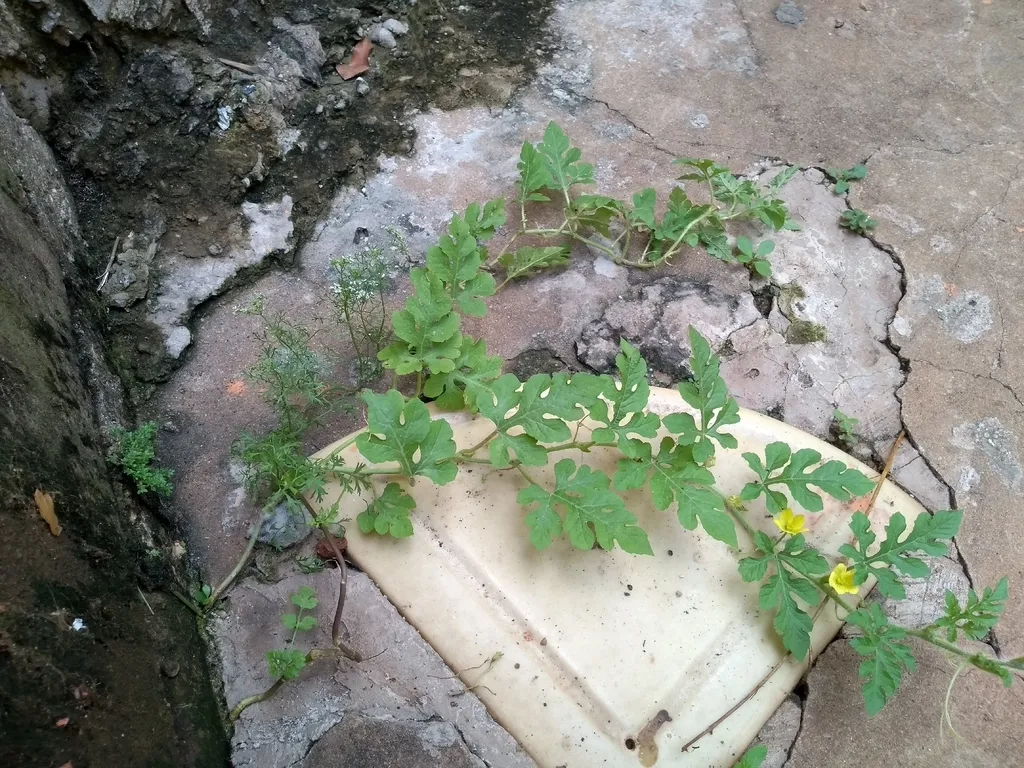
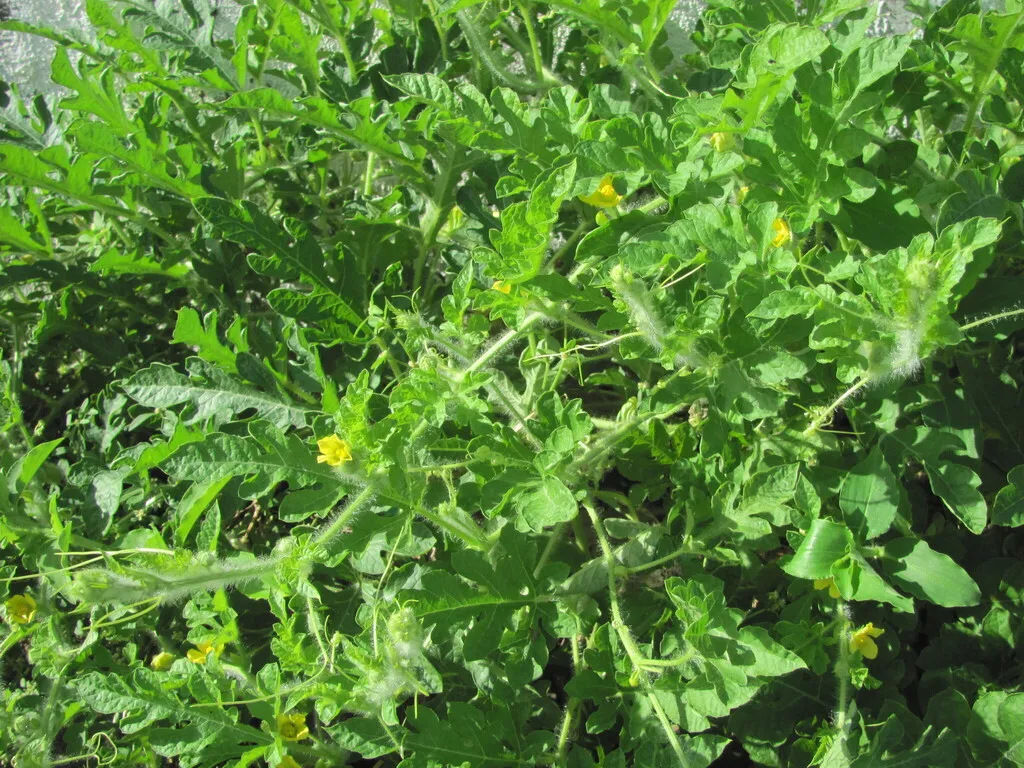
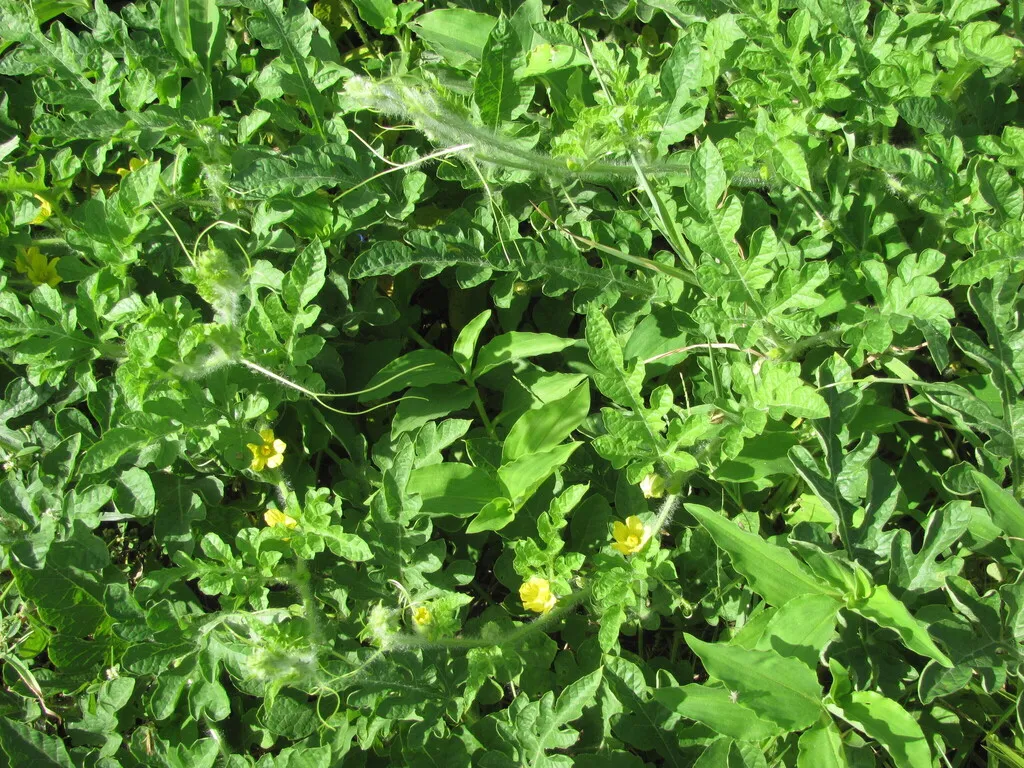
Citrullus lanatus, commonly known as watermelon, is a vigorous annual vine with deeply lobed, rough-textured leaves and yellow, monoecious flowers. The fruit is a large, oblong to round berry with a hard green rind often striped or mottled, and juicy, sweet red, pink, or yellow flesh containing numerous black seeds. This plant is widely cultivated for its refreshing, hydrating fruit, primarily in warm climates during summer.
Scientific classification
- Species
- Watermelon (Citrullus lanatus)
- Genus
- Citrullus
- Family
- Cucurbitaceae
- Order
- Cucurbitales
- Class
- Magnoliopsida
- Phylum
- Tracheophyta
- Non-toxic
- Toxicity
- Annual Biennial · Fruit Edible
- Plant type
- 0.3 - 0.5 metres
- Height
- 2 - 3 metres
- Spread
- Deciduous
- Foliage
- Trailing · Spreading
- Habit
- Summer
- Season of interest
- Full sun
- Sunlight
- 20 – 30 °C
- Ideal temperature









Watermelon pictures
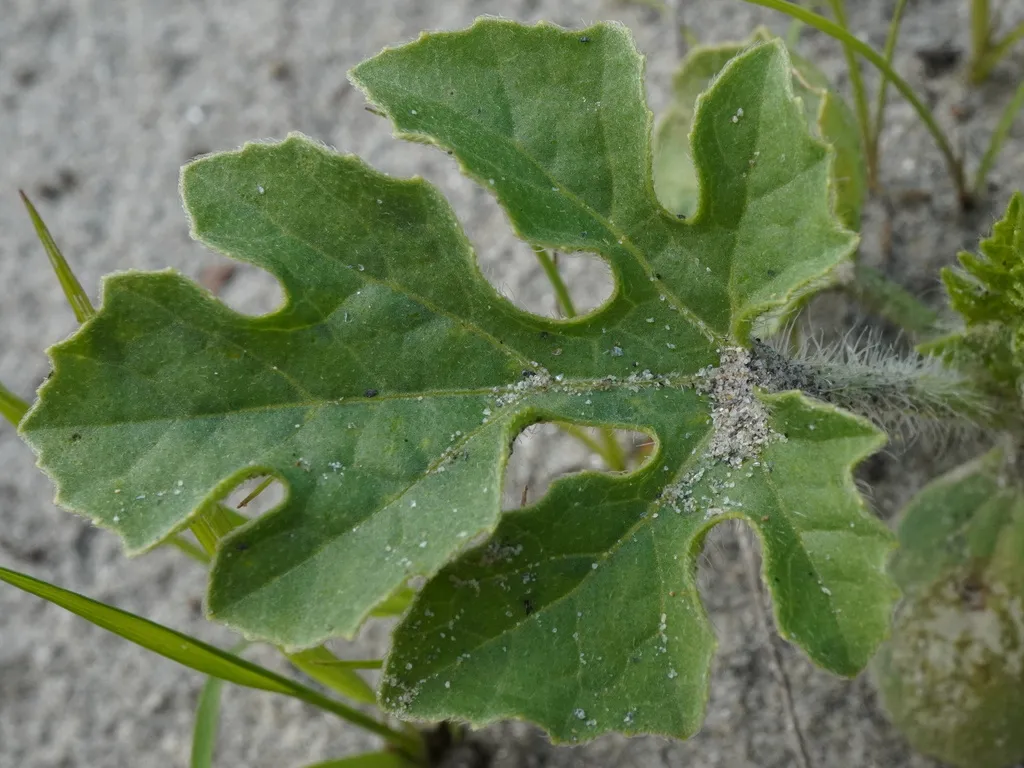
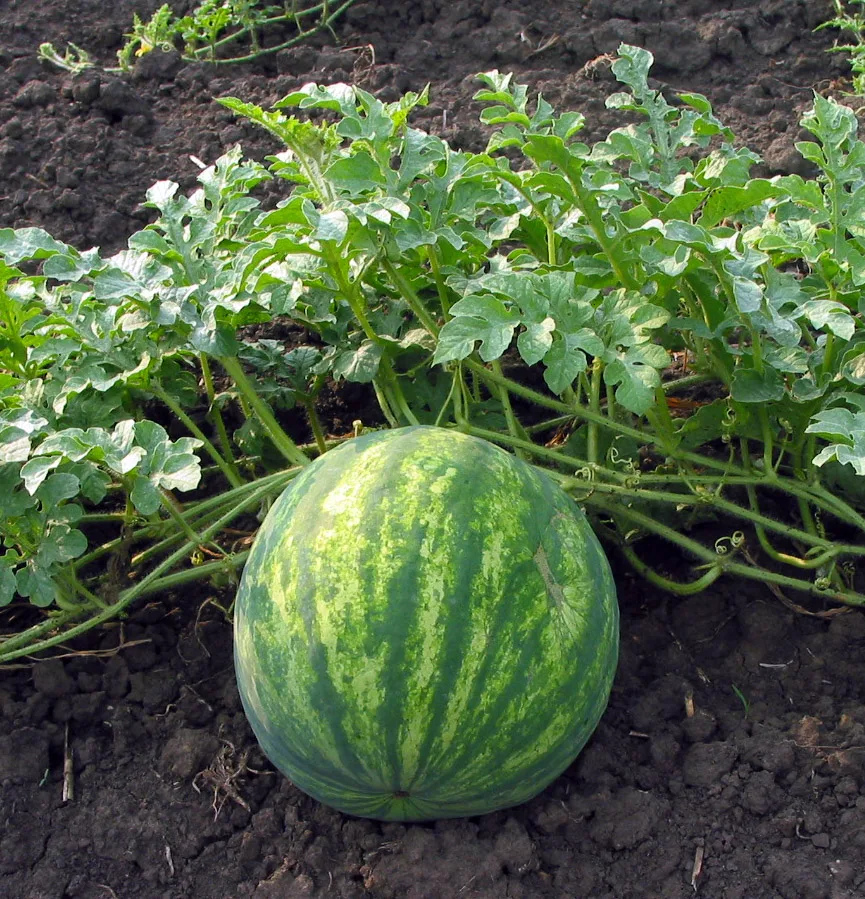
Distribution of Watermelon
Distribution map
- Native
- Introduced
- Cultivated
Source:WCVP v16 · Royal Botanic Gardens, Kew · CC BY 3.0 · Boundaries:WGSRPD / TDWG
Toxicity
Non-toxic
Watermelon care guide
- Water deeply once a week, reduce when fruit ripens
- Watering
- Full sun
- Sunlight
- 20 – 30 °C
- Ideal temperature

Watering
Water deeply once a week, reduce when fruit ripens
Fertilizing
 Fertilizing
Every 2 weeks during growing season with balanced fertilizer
Pruning
 Pruning
 is minimal; remove any damaged or diseased foliage. For larger fruits, thin to 2-3 fruits per vine and pinch out the growing tip after the last fruit has set to direct energy into fruit development.
Propagation
 Propagation
Propagate by seed. Sow seeds 1-2 cm deep in pots or directly in the ground after the soil has warmed to at least 18°C. For earlier harvests, start seeds indoors in peat pots at 21-24°C. Germination takes 5-10 days. Transplant carefully to avoid root disturbance.
Growing
 Growing
Grow watermelon in full sun in fertile, well-drained soil rich in organic matter. Maintain consistent moisture, especially during fruit set and development, but avoid waterlogging. Apply a balanced fertilizer at planting and side-dress with a high-potassium feed once fruits begin to swell. In cooler climates, start seeds indoors 3-4 weeks before the last frost and harden off before transplanting. Provide protection from cold winds and late frosts; use black plastic mulch to warm the soil and suppress weeds. Harvest fruits when the tendril nearest the fruit turns brown and the rind becomes dull.
Common pests and diseases
Diseases
Susceptible to powdery mildew, downy mildew, anthracnose, and Fusarium wilt. Provide good air circulation and avoid overhead watering to reduce disease incidence. Use resistant cultivars where available.
Pests
Common pests include aphids, spider mites, cucumber beetles, and squash bugs. Monitor regularly and use insecticidal soap or neem oil as needed.
Explore the plant health library →




