



Planting and Growing Four-leaf Peperomia

| Care difficulty | 2 / 5 |
|---|---|
| Watering schedule | Water when top inch of soil feels dry |
| Sunlight requirements | Bright indirect light |
| Ideal temperature | 18 – 27 °C |
| Soil type | Loam · Peat |
| Soil pH | Acid · Neutral |
| Soil moisture | Moist but well drained |
| Fertilizing | Monthly during growing season |
| Toxicity | Non-toxic to humans and pets. |
How to Water Four-leaf Peperomia?
Native to tropical regions, acorn Peperomia thrives in environments with consistent moisture and high humidity. This species is adapted to the damp understory of forests, exhibiting a preference for regular hydration without being waterlogged. Watering should occur once every week to maintain its lush foliage. Acorn Peperomia typically grows better indoors where conditions can be controlled to mimic its natural humid habitat. As an evergreen plant, acorn Peperomia's water needs are particularly crucial during the growing season to support its persistent foliage.
Learn more →What Are the Sunlight Requirements for Four-leaf Peperomia?
Acorn Peperomia thrives in partial sunlight, enjoying bright but indirect light to maintain its vibrant foliage. While capable of adapting to full shade, insufficient light may lead to elongated stems and sparse leaves. Acorn Peperomia's optimal light conditions entail exposure to diffused sunlight for several hours, avoiding the harsh midday sun. Deviations from these conditions can result in reduced vigor and leaf coloration. Indoors, eastern or northern windowsills are perfect, whereas outdoors, acorn Peperomia flourishes under the dappled canopy of larger plants. Acorn Peperomia possesses the ability to adjust leaf orientation to optimize light absorption, a testament to its resilience and adaptability to different lighting environments.
Learn more →What Is the Ideal Temperature Range for Four-leaf Peperomia?

Acorn Peperomia exhibits moderate tolerance to temperature variations, adapting well within 41°F (5℃) and 109°F (43℃). Despite this, it is sensitive to extreme cold or heat. During colder weather, acorn Peperomia may display wilted leaves or stunted growth, while excessive heat can cause leaf drop or scorched edges. To ensure proper care, shield the plant from drafts and direct sunlight. In case of overcooling, move acorn Peperomia to a warmer location and ensure adequate lighting. For overheating, increase humidity and provide shade. This resilience makes acorn Peperomia suitable for a variety of indoor environments, with extra care during temperature extremes.
Learn more →What Soil Is Best for Four-leaf Peperomia?
- Soil type
- Loam · Peat
- Soil pH
- Acid · Neutral
What Are the Moisture Requirements for Four-leaf Peperomia?
Moist but well drained
Learn more →How to Fertilize Four-leaf Peperomia?

For the thriving growth of acorn Peperomia, a balanced nutrition fertilizer is ideal, especially one that's high in nitrogen to support its lush foliage. During the growing season, spring to early fall, fertilizing once a month is sufficient. Use a quarter to half the recommended strength to avoid overfeeding. Benefits include promoting vigorous growth and maintaining vibrant leaves. In winter, reduce fertilization as acorn Peperomia's growth slows. Take care to avoid fertilizer burn by ensuring the soil is moist before application. Always follow label instructions for quantity and frequency to foster acorn Peperomia's health and prevent nutrient overload.
Learn more →How to Prune Four-leaf Peperomia?

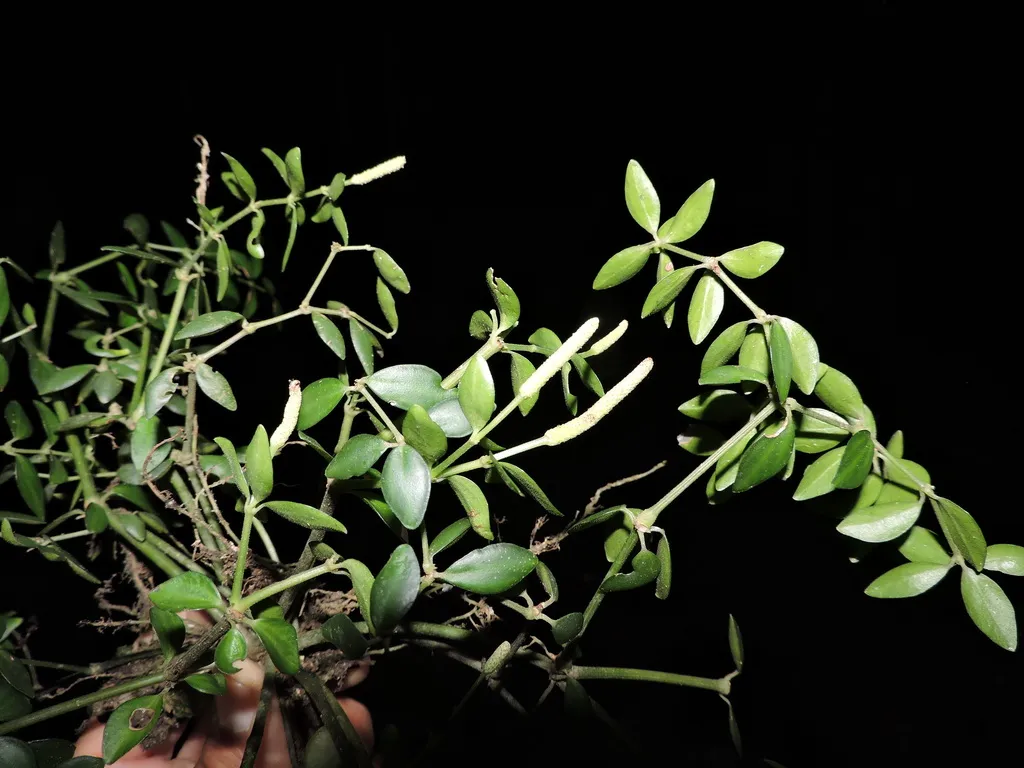
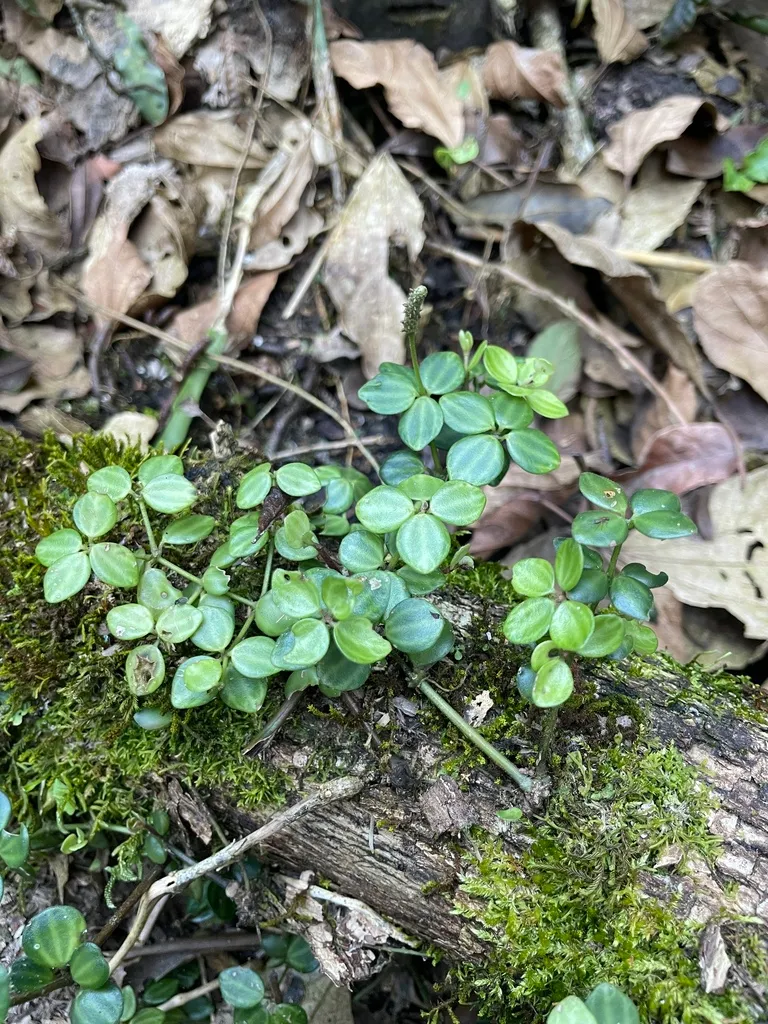
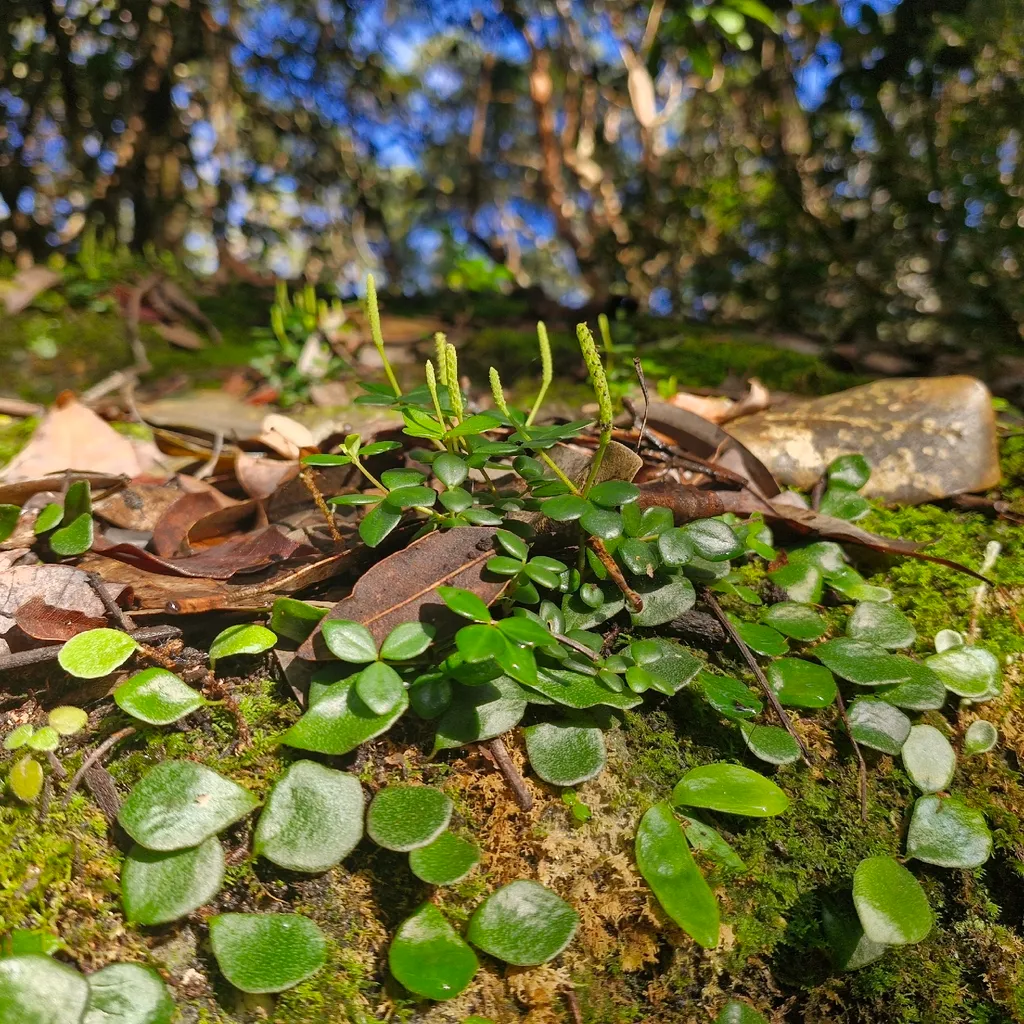
Known for its trailing stems and round, succulent leaves, acorn Peperomia benefits from occasional pruning to maintain shape and promote bushier growth. Prune in early to later spring, cutting back leggy stems and pinching off tips to encourage branching. Remove any dead or yellowing leaves to enhance overall health. Pruning helps improve air circulation and light penetration, crucial for vibrant growth. Use clean, sharp scissors to avoid damaging the plant tissue.
Learn more →How to Propagate Four-leaf Peperomia?

Acorn Peperomia propagates best through sowing in Spring. The process is relatively easy, with successful signs including root emergence and healthy new foliage. Providing ample light and well-draining soil will help ensure successful growth.
Learn more →How to Transplant Four-leaf Peperomia?
The optimal window for relocating acorn Peperomia is in the heart of spring, leveraging stable temperatures for robust growth. Choose bright, indirect light locations and gentle handling is key to avoid root damage.
Learn more →How to Plant Four-leaf Peperomia?
Grow in bright, indirect light; avoid direct sun which can scorch leaves. Use a well-draining, peat-based potting mix. Water when the top inch of soil becomes dry, taking care not to overwater as this can cause root rot. Feed monthly with a balanced liquid fertilizer diluted to half strength during the growing season. Provide temperatures above 10°C; protect from cold drafts. Reduce watering in winter.
Learn more →How to Repot Four-leaf Peperomia?
Potted acorn peperomia is recommended to be planted in white plastic pots or white porcelain pots.
Learn more →Common Pests & Diseases

Diseases
Susceptible to root rot and stem rot if overwatered or kept in poorly drained soil. May also develop powdery mildew in humid, poorly ventilated conditions.
Pests
May be affected by aphids, mealybugs, and spider mites, especially when stressed or in dry air.
Explore the plant health library →The Toxicity of Four-leaf Peperomia
Non-toxic to humans and pets.