
Four-leaf Peperomia
Also known as: Four-leaf Peperomia, Acorn Peperomia, Green Bean Peperomia
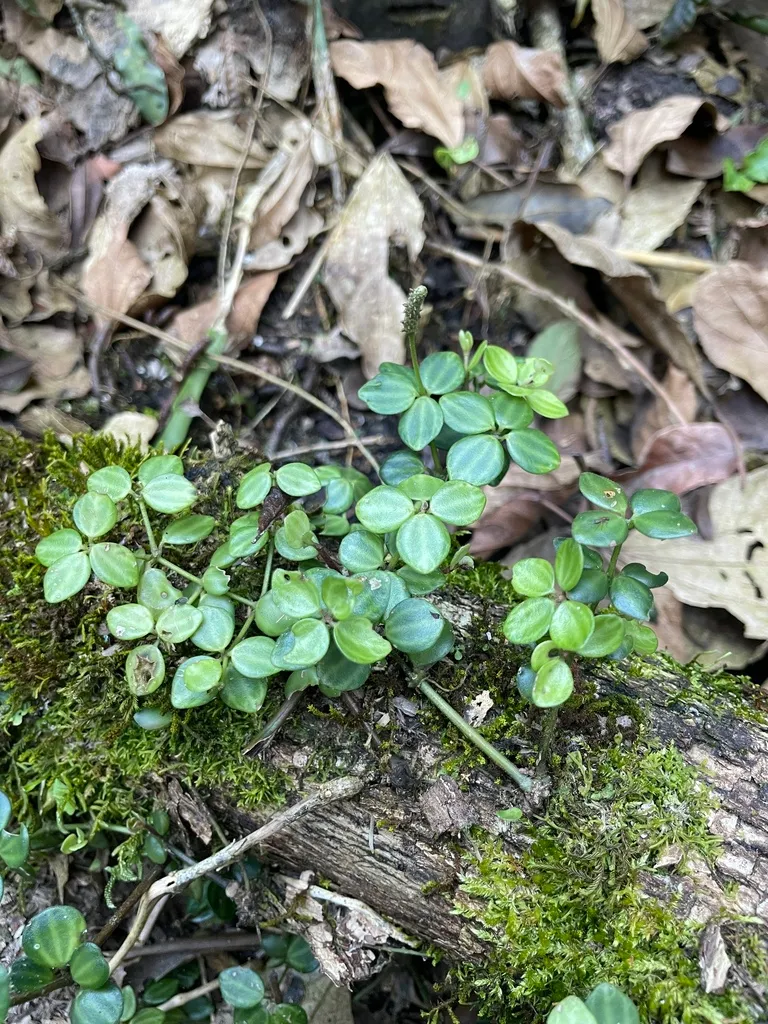
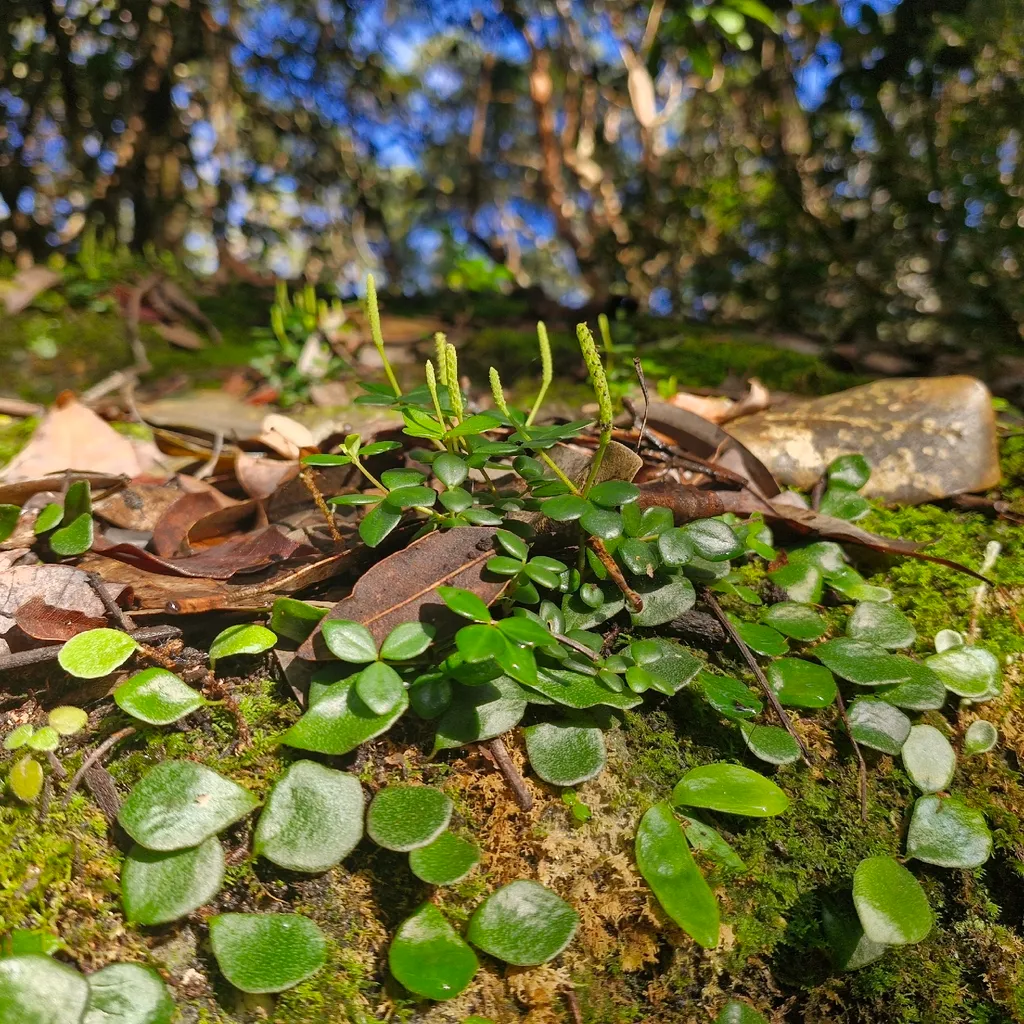
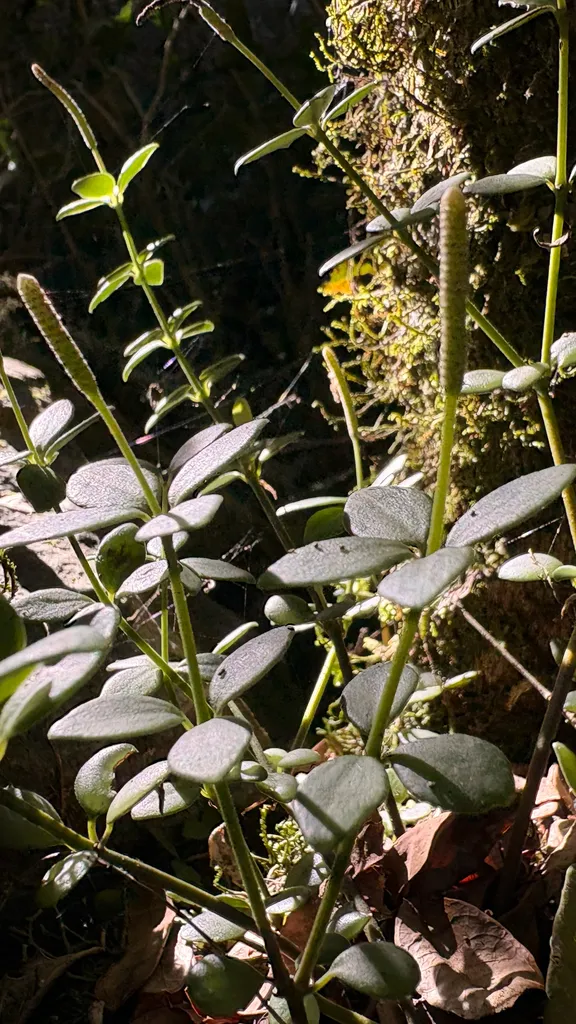
A small, compact evergreen perennial with fleshy, rounded leaves borne in whorls of four. The leaves are dark green, glossy, and slightly succulent, forming a dense mound. Tiny, inconspicuous flower spikes may appear in summer. Its primary ornamental value lies in the attractive foliage and tidy growth habit.
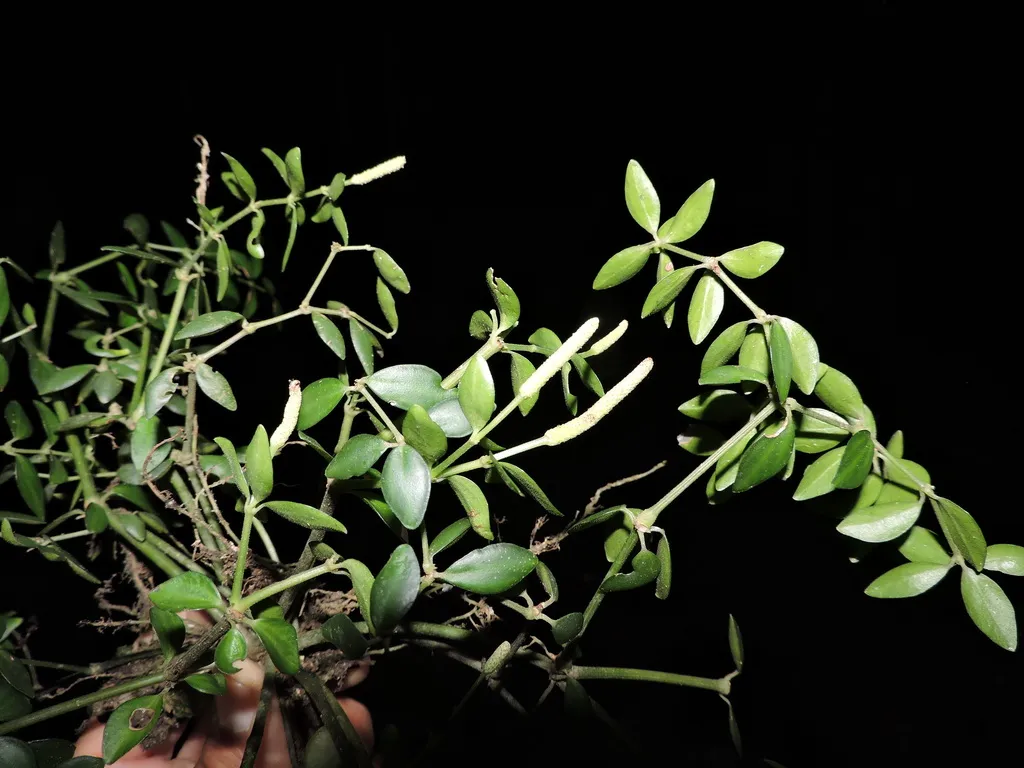
Scientific classification
- Species
- Four-leaf Peperomia (Peperomia tetraphylla)
- Genus
- Information to be completed
- Family
- Piperaceae
- Non-toxic to humans and pets.
- Toxicity
- Houseplants · Foliage · Perennial
- Plant type
- 0.1 - 0.3 metres
- Height
- 0.2 - 0.4 metres
- Spread
- Evergreen
- Foliage
- Clump forming · Upright
- Habit
- Spring · Summer
- Season of interest
- Bright indirect light
- Sunlight
- 18 – 27 °C
- Ideal temperature









Four-leaf Peperomia pictures
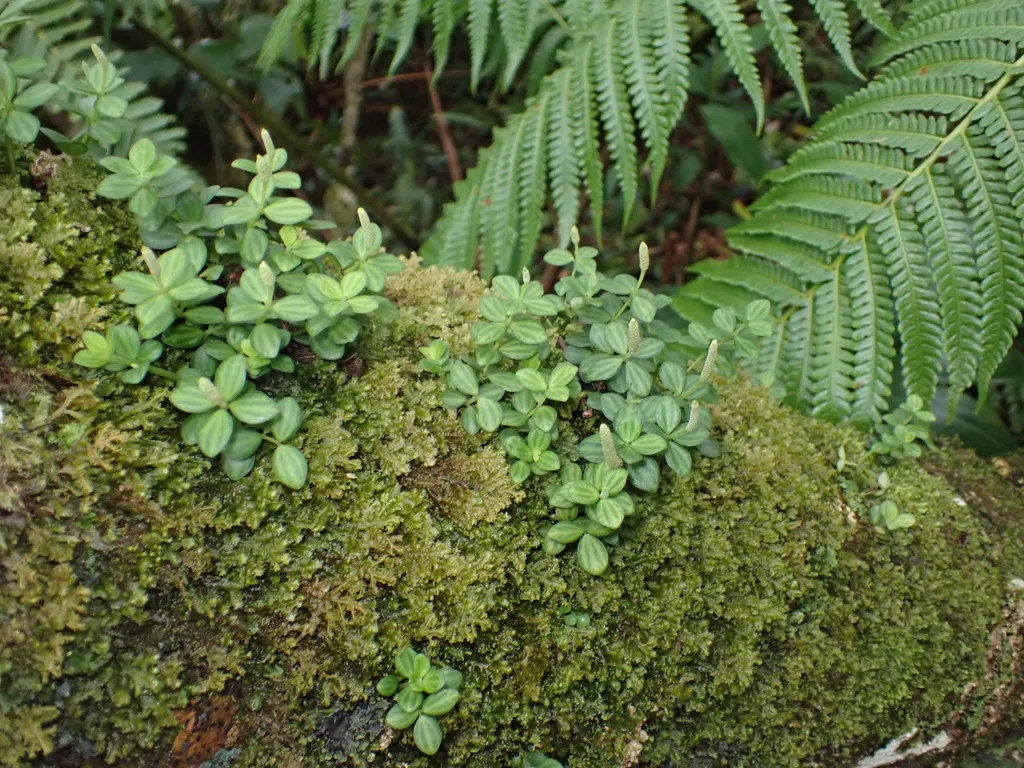
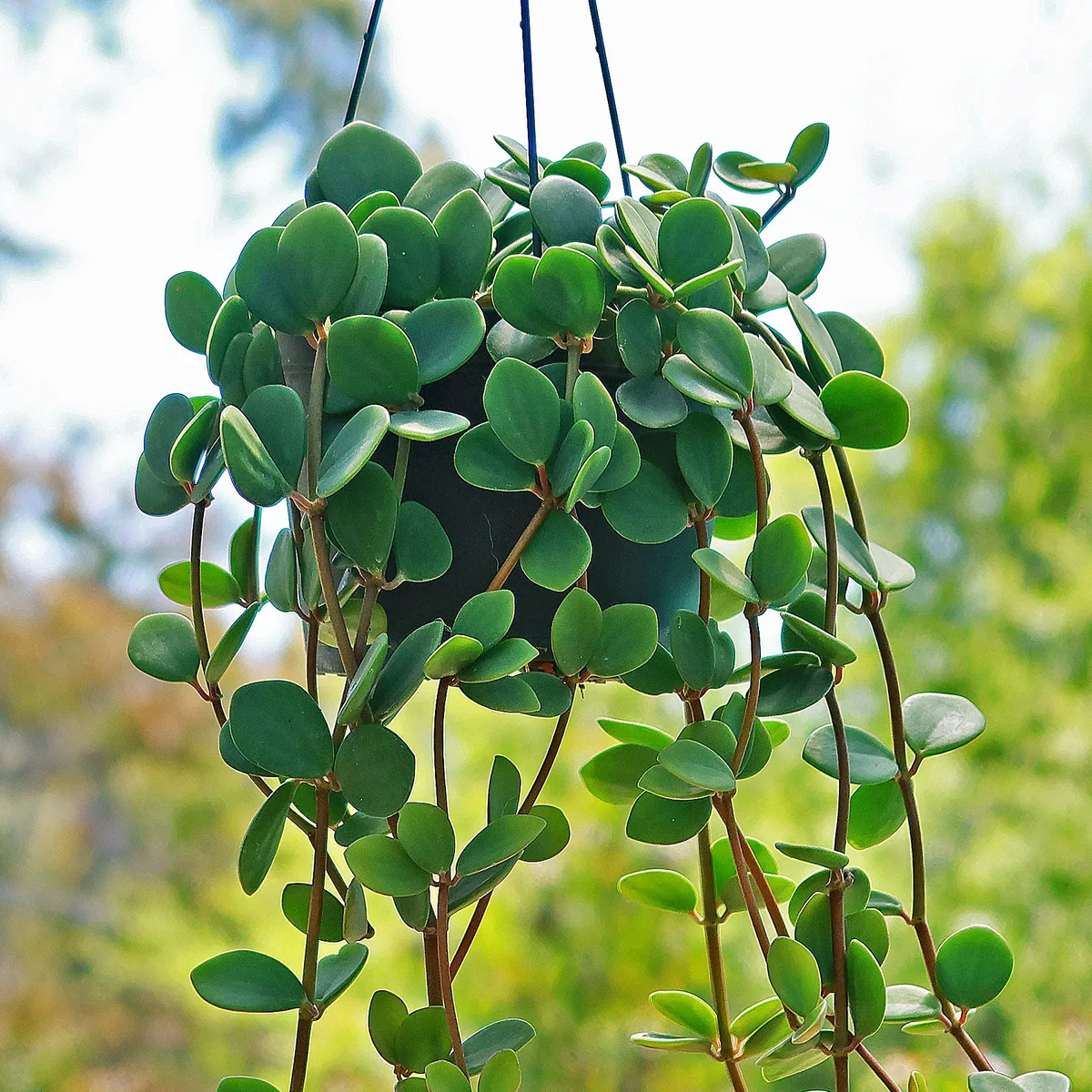
Distribution of Four-leaf Peperomia
Distribution map
- Native
- Introduced
- Cultivated
Source:WCVP v16 · Royal Botanic Gardens, Kew · CC BY 3.0 · Boundaries:WGSRPD / TDWG
Toxicity
Non-toxic to humans and pets.
Four-leaf Peperomia care guide
- Water when top inch of soil feels dry
- Watering
- Bright indirect light
- Sunlight
- 18 – 27 °C
- Ideal temperature

Watering
Water when top inch of soil feels dry
Fertilizing
 Fertilizing
Monthly during growing season
Pruning
 Pruning
Prune leggy stems and remove dead or yellowing leaves as needed to maintain a compact shape.
Propagation
 Propagation
Propagate by stem or leaf cuttings in spring. Take a stem cutting with 2-3 leaves, or a healthy leaf with a short petiole, and insert into moistened propagation mix. Cover with a plastic bag or place in a propagation tray to maintain high humidity. Rooting typically occurs within 3-4 weeks at 18-24°C.
Growing
 Growing
Grow in bright, indirect light; avoid direct sun which can scorch leaves. Use a well-draining, peat-based potting mix. Water when the top inch of soil becomes dry, taking care not to overwater as this can cause root rot. Feed monthly with a balanced liquid fertilizer diluted to half strength during the growing season. Provide temperatures above 10°C; protect from cold drafts. Reduce watering in winter.
Common pests and diseases
Diseases
Susceptible to root rot and stem rot if overwatered or kept in poorly drained soil. May also develop powdery mildew in humid, poorly ventilated conditions.
Pests
May be affected by aphids, mealybugs, and spider mites, especially when stressed or in dry air.
Explore the plant health library →




