



Planting and Growing Ruffled Fan Palm

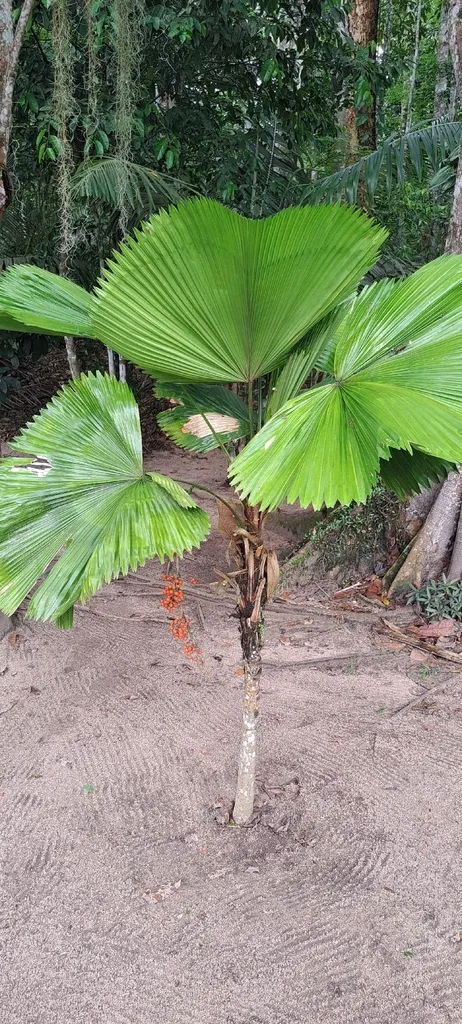
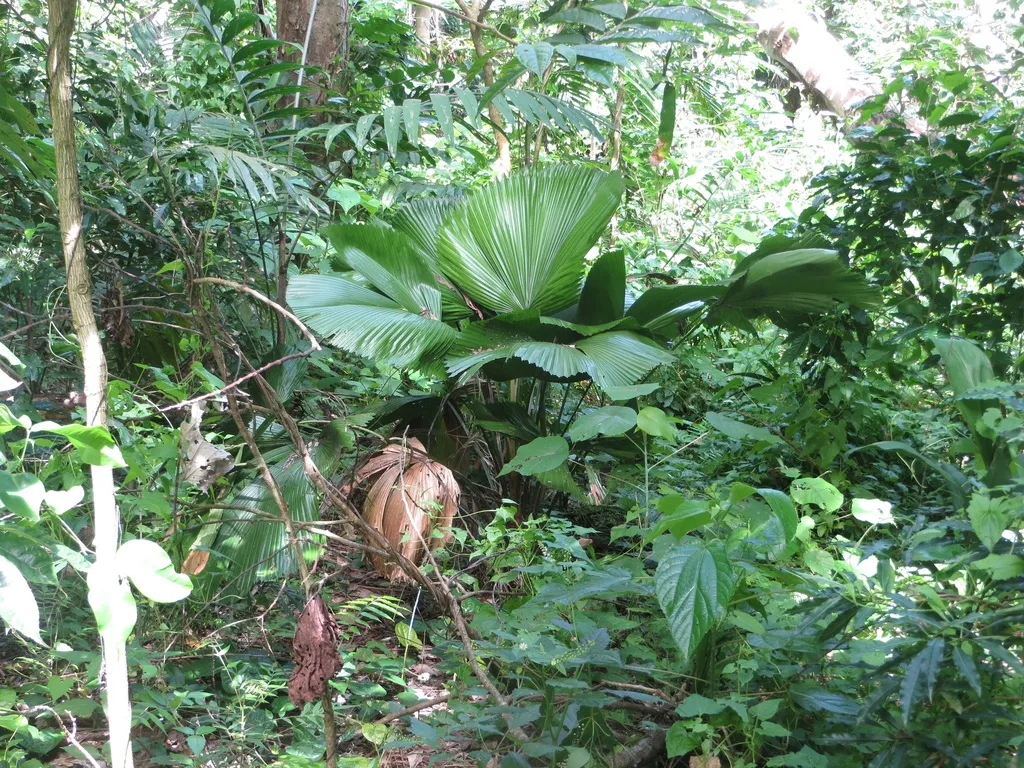
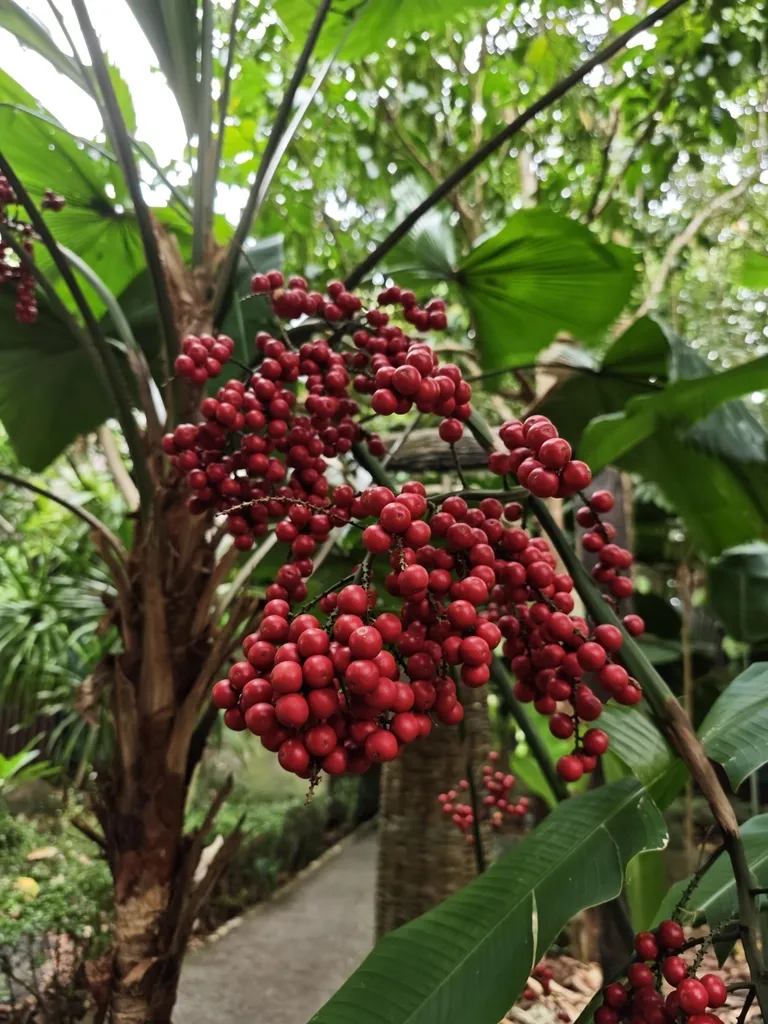
| Care difficulty | 3 / 5 |
|---|---|
| Watering schedule | Keep soil consistently moist but not waterlogged |
| Sunlight requirements | Bright indirect light |
| Ideal temperature | 20 – 30 °C |
| Soil type | Loam · Peat |
| Soil pH | Acid · Neutral |
| Soil moisture | Moist but well drained |
| Fertilizing | Monthly during growing season (spring and summer) |
| Toxicity | Non-toxic to pets and humans |
How to Water Ruffled Fan Palm?
Vanuatu fan palm is a tropical plant that thrives in humid environments, demonstrating a preference for consistent moisture. Its water habits lean towards balance, neither drought-tolerant nor excessively thirsty. This plant benefits from watering once every 1-2 weeks to maintain its lush appearance. Being an evergreen species, vanuatu fan palm retains its leaves year-round and thus requires regular hydration even during the cooler months.
Learn more →What Are the Sunlight Requirements for Ruffled Fan Palm?
Vanuatu fan palm thrives best in partial sun conditions, where it receives bright but indirect light for most of the day. Its tolerance to full shade allows it to adapt to lower light levels, although excessive shade may lead to suboptimal growth and a potential reduction in health. Vanuatu fan palm's leaves display adaptive traits to cope with varying light exposures, balancing between light absorption and minimizing sun damage. When grown outdoors, it's recommended to plant vanuatu fan palm in a location with dappled sunlight or in the protection of taller plants. This ensures that vanuatu fan palm is shielded from the harsh direct sun while enjoying optimal light for vitality and growth.
Learn more →What Is the Ideal Temperature Range for Ruffled Fan Palm?

Vanuatu fan palm can endure diverse temperature conditions, showing notable resilience to heat, tolerating up to 43℃ (109℉), yet is sensitive to cold, tolerating down to 5℃ (41℉). This tolerance requires owners to provide protection during cold snaps, possibly using mulch or relocating plants indoors. Symptoms of cold stress in vanuatu fan palm include leaf browning and wilting, while overheating may cause leaf scorch. To mitigate temperature extremes, ensure proper shading from intense heat and insulation against cold, enhancing the plant's longevity and health.
Learn more →What Soil Is Best for Ruffled Fan Palm?
Vanuatu fan palm thrives in well-draining soil that prevents water-logging. A suitable soil mix for vanuatu fan palm includes equal parts peat, pine bark, and coarse perlite or sand. This ensures proper aeration and drainage. If pine bark is unavailable, coconut coir can be a substitute. To support growth, integrate slow-release fertilizer into the mix every few months. Ensure the mix remains loose and aerated to foster healthy root development.
- Soil type
- Loam · Peat
- Soil pH
- Acid · Neutral
What Are the Moisture Requirements for Ruffled Fan Palm?
Moist but well drained
Learn more →How to Fertilize Ruffled Fan Palm?

Fertilizing vanuatu fan palm boosts growth and enhances leaf color. Use high nitrogen fertilizers every 2-3 months, sparingly to prevent root burn. During growth season, increase frequency. If dormant, reduce applications. Apply granular fertilizer at the plant's base, following the manufacturer's recommendations for quantity. Wear gloves; avoid over-fertilization to prevent leaf damage. Water vanuatu fan palm post-fertilization to aid nutrient absorption.
Learn more →How to Prune Ruffled Fan Palm?

This plant is known for its distinctive fan-shaped leaves. Prune vanuatu fan palm primarily in early spring to remove dead or damaged fronds and promote healthy growth. Focus on cutting spent or brown leaves close to the trunk to maintain its aesthetic and overall health. Avoid heavy pruning as vanuatu fan palm prefers minimal intervention. Regular lightweight pruning enhances air circulation and light penetration, boosting the plant's vitality.
Learn more →How to Propagate Ruffled Fan Palm?

Native to the rainforests, vanuatu fan palm is recognized for its grand, pleated leaves. Propagation is typically accomplished through seeds, favoring warm, humid conditions to stimulate germination. To promote successful growth, a well-draining, rich potting mix complemented by high humidity and indirect light is optimal. Careful attention to watering, ensuring consistent moisture without waterlogging, is crucial for vanuatu fan palm's development from seed to elegance.
Learn more →How to Transplant Ruffled Fan Palm?
For vanuatu fan palm, optimal relocation time is during the warmth of mid to late spring, fostering robust growth. Choose a sheltered spot with filtered sunlight. Keep soil moist but well-drained to encourage successful acclimatization.
Learn more →How to Plant Ruffled Fan Palm?
Indoors-potted: Ensure vanuatu fan palm has space to showcase its large, fan-like leaves; growth may be slower indoors due to limited light. Outdoors-potted: In a pot outdoors, vanuatu fan palm enjoys more natural light but watch for overcrowding as it matures and might need repotting. Outdoors-in the ground: When planted in the ground, vanuatu fan palm thrives with ample room for root expansion, enhancing its elegant stature.
Learn more →How to Repot Ruffled Fan Palm?
For the stunning vanuatu fan palm, repotting every 1-2 years supports its vibrant fan-shaped leaves and robust growth. Spring, the season of active growth, is ideal for this task. Choose a pot slightly larger than its root ball to allow for comfortable expansion. Post-repotting, maintain high humidity and indirect light to ensure vanuatu fan palm's lush, tropical display continues to thrive.
Learn more →Common Pests & Diseases

Diseases
Generally healthy but susceptible to root rot if overwatered or if the potting medium is poorly drained. Leaf spot may occur in excessively humid conditions with poor air circulation.
Pests
Common pests include spider mites, mealybugs, and scale insects. Regular inspection and wiping leaves can help prevent infestations.
Explore the plant health library →The Toxicity of Ruffled Fan Palm
Non-toxic to pets and humans