
Ruffled Fan Palm
Also known as: Ruffled Fan Palm, Vanuatu Fan Palm, Grand Licuala
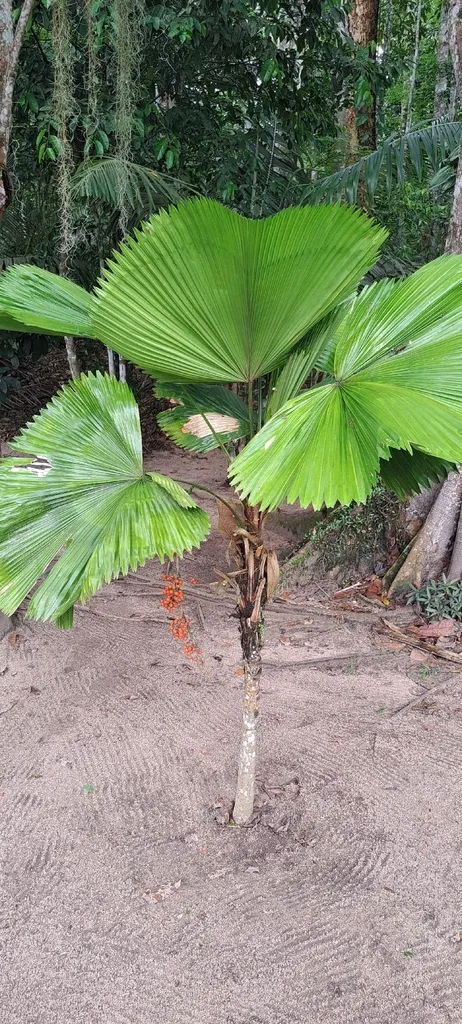
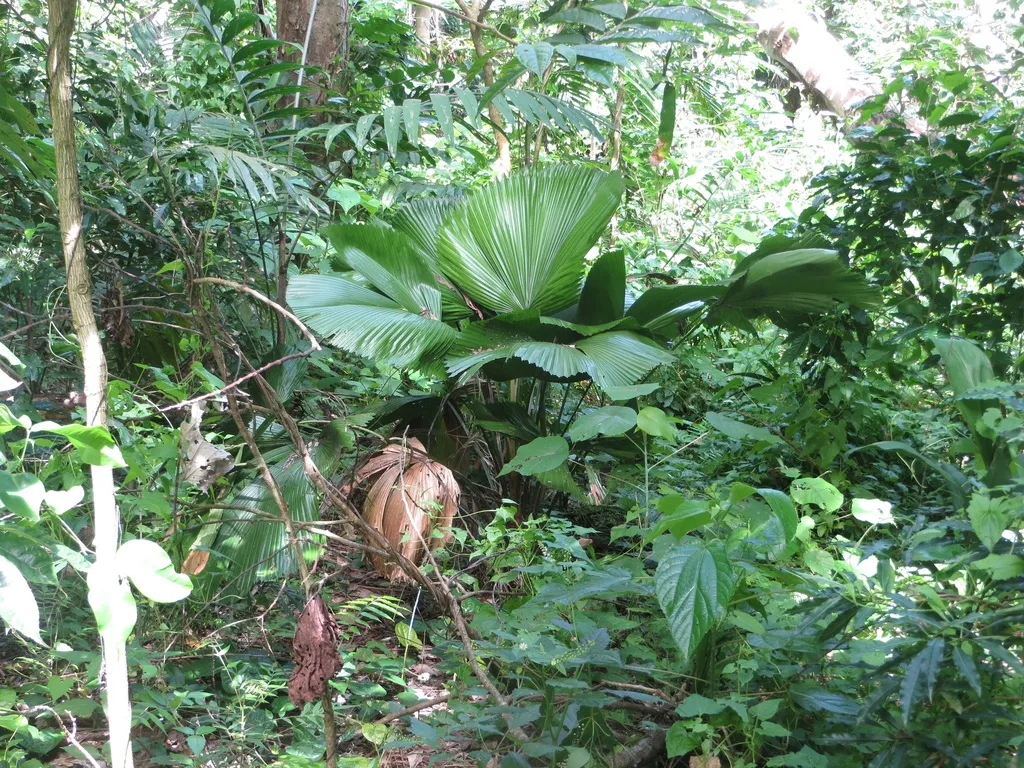
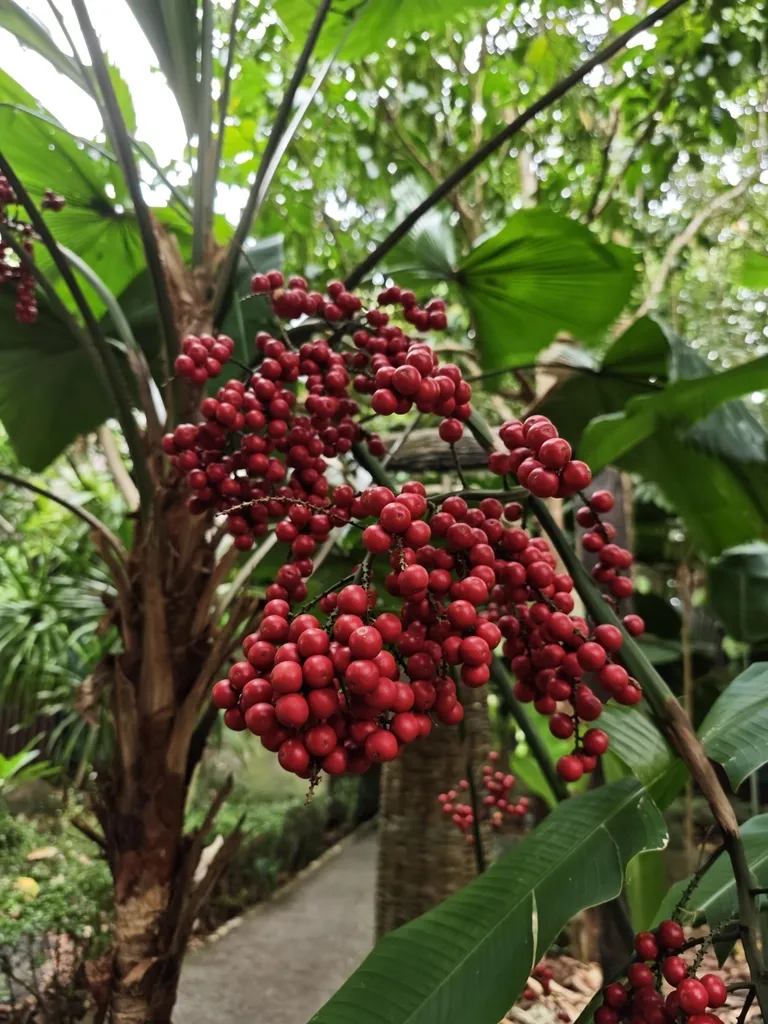
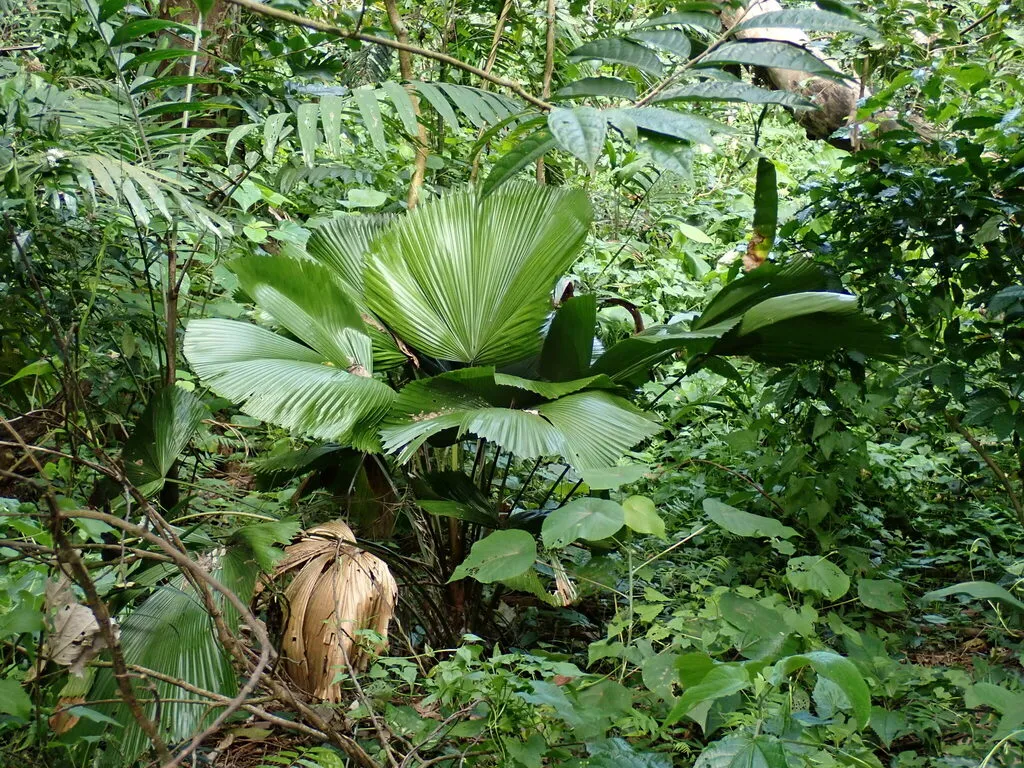
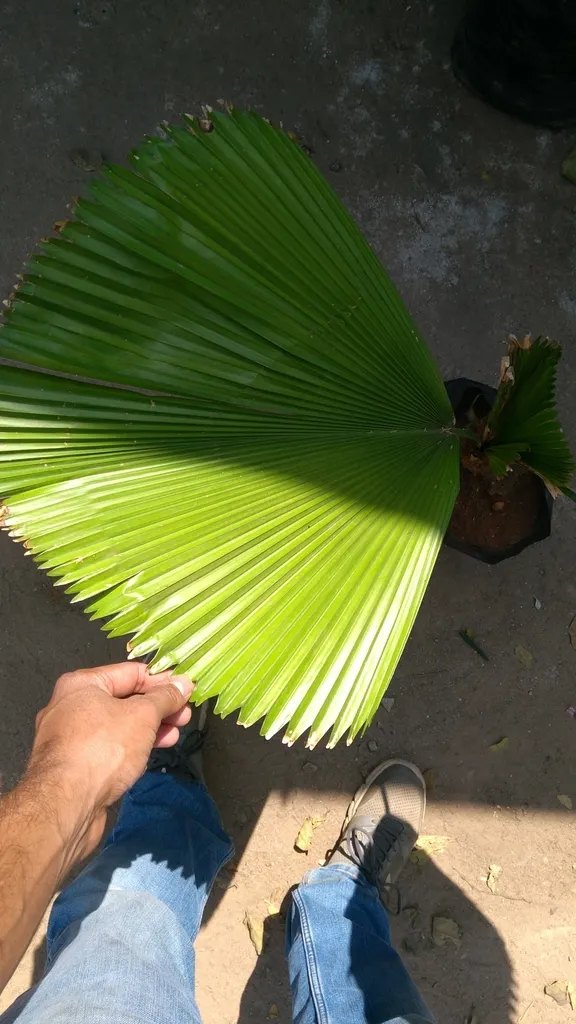
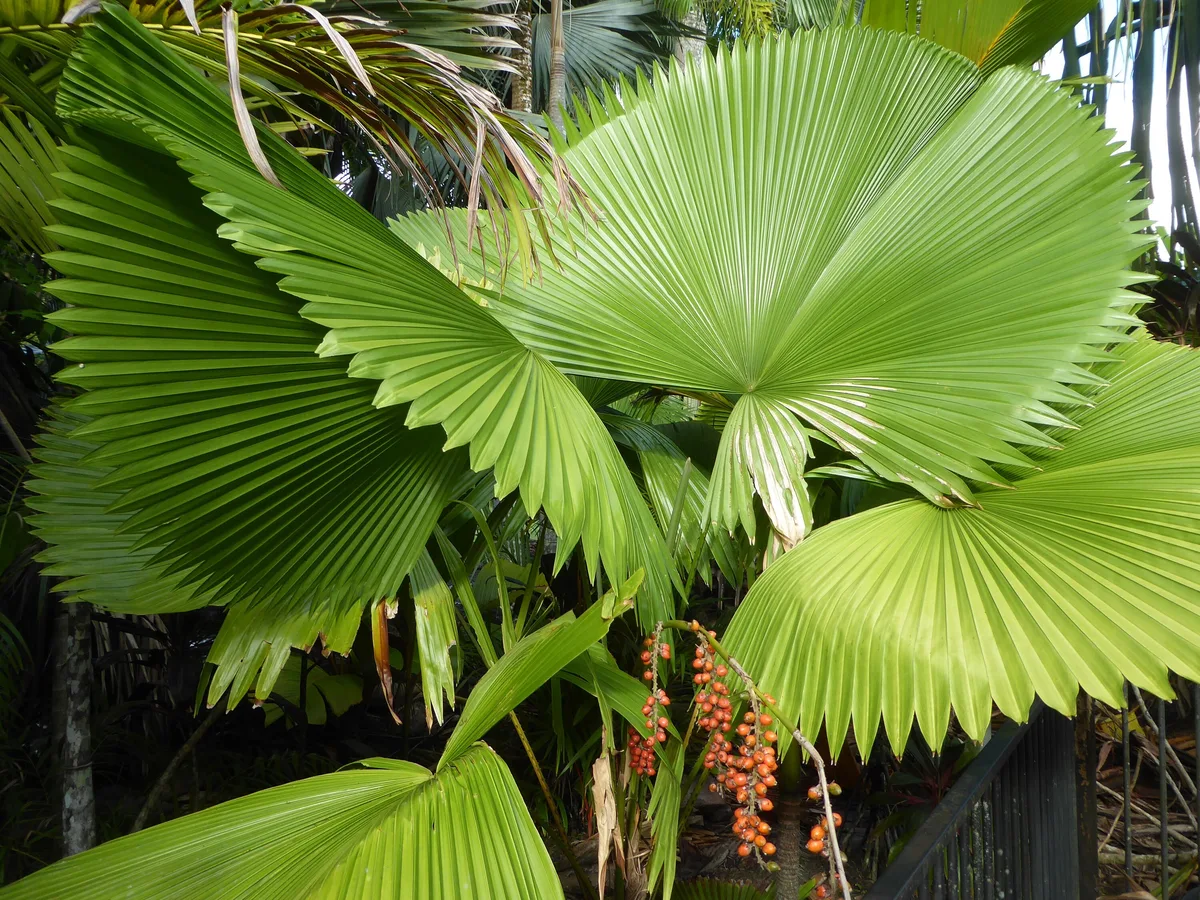
Licuala grandis, commonly known as the ruffled fan palm, is a stunning tropical palm with large, circular, pleated leaves that resemble a fan. Each leaf is deeply segmented and has a distinctive ruffled edge, giving the plant a unique and elegant appearance. It grows as a single trunk with a crown of leaves at the top, reaching a height of 1.5 to 2.5 metres indoors. The leaves are a rich glossy green, and the plant produces small, inconspicuous flowers on a long inflorescence, though it is primarily grown for its ornamental foliage.
Scientific classification
- Species
- Ruffled Fan Palm (Licuala grandis)
- Genus
- Information to be completed
- Family
- Arecaceae
- Non-toxic to pets and humans
- Toxicity
- Palms · Houseplants · Foliage
- Plant type
- 1.5 - 2.5 metres
- Height
- 1.5 - 2 metres
- Spread
- Evergreen
- Foliage
- Upright
- Habit
- Spring · Summer · Autumn
- Season of interest
- Bright indirect light
- Sunlight
- 20 – 30 °C
- Ideal temperature









Ruffled Fan Palm pictures
Distribution of Ruffled Fan Palm
Distribution map
- Native
- Introduced
- Cultivated
Source:WCVP v16 · Royal Botanic Gardens, Kew · CC BY 3.0 · Boundaries:WGSRPD / TDWG
Toxicity
Non-toxic to pets and humans
Ruffled Fan Palm care guide
- Keep soil consistently moist but not waterlogged
- Watering
- Bright indirect light
- Sunlight
- 20 – 30 °C
- Ideal temperature

Watering
Keep soil consistently moist but not waterlogged
Fertilizing
 Fertilizing
Monthly during growing season (spring and summer)
Pruning
 Pruning
Remove dead or yellowing fronds at the base to maintain appearance and health. No other pruning is required.
Propagation
 Propagation
 is by seed. Sow fresh seeds in a warm propagator at 25–30°C (77–86°F) in a moist, well-draining seed compost. Germination can be slow and erratic, often taking several months. Once seedlings have developed a few leaves, pot them individually.
Growing
 Growing
Grow in a warm, humid environment with bright, indirect light; avoid direct sun which can scorch the leaves. Use a loose, well-draining potting mix rich in organic matter, such as a blend of loam and peat. Keep the soil consistently moist but never waterlogged; reduce watering in winter when growth slows. Fertilize monthly during the growing season (spring and summer) with a balanced liquid fertilizer diluted to half strength. Maintain high humidity by misting regularly or placing on a pebble tray. Protect from temperatures below 10°C (50°F); it is best suited for indoor or greenhouse cultivation in temperate climates.
Common pests and diseases
Diseases
Generally healthy but susceptible to root rot if overwatered or if the potting medium is poorly drained. Leaf spot may occur in excessively humid conditions with poor air circulation.
Pests
Common pests include spider mites, mealybugs, and scale insects. Regular inspection and wiping leaves can help prevent infestations.
Explore the plant health library →




