



Planting and Growing Pak choi

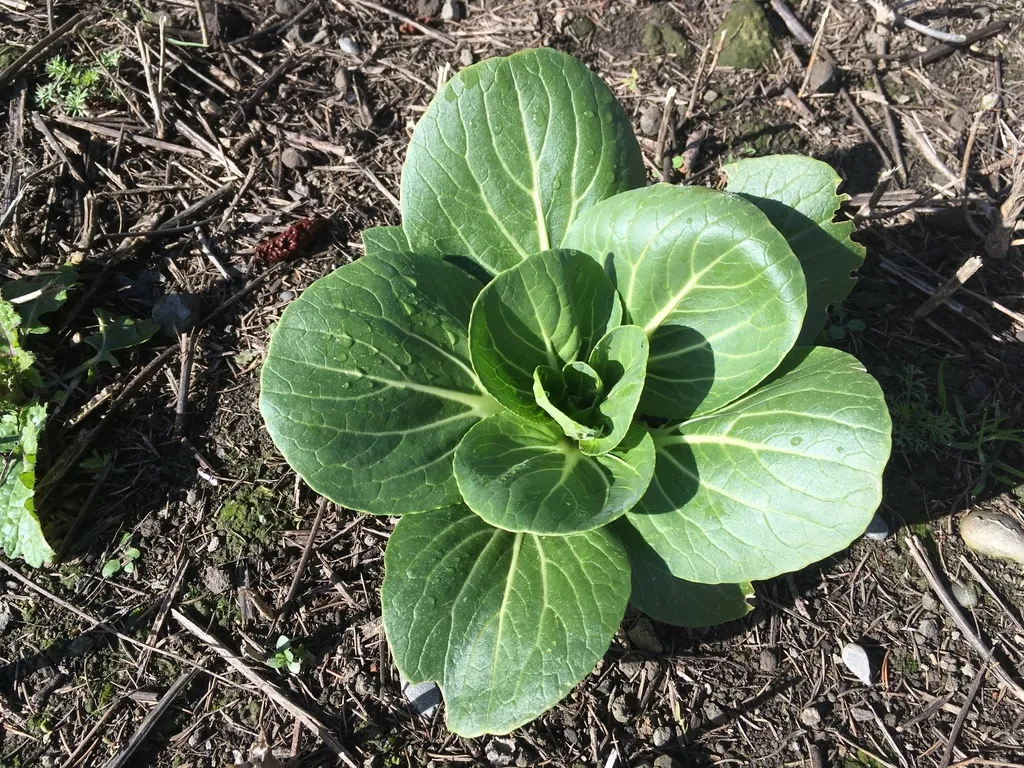
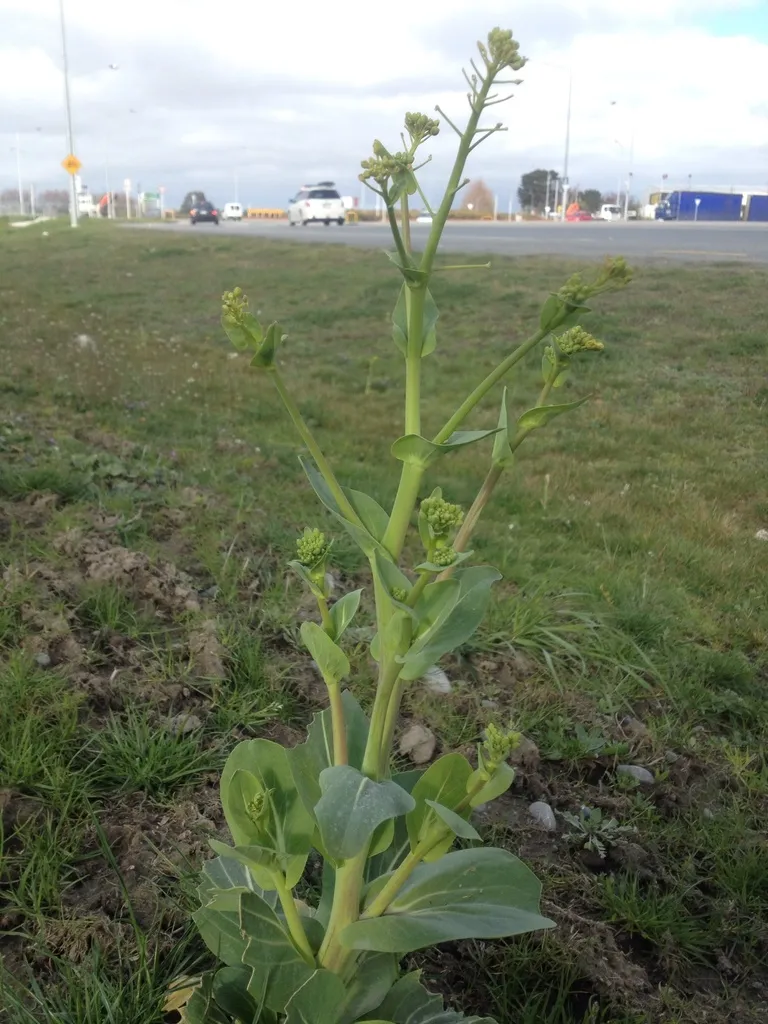
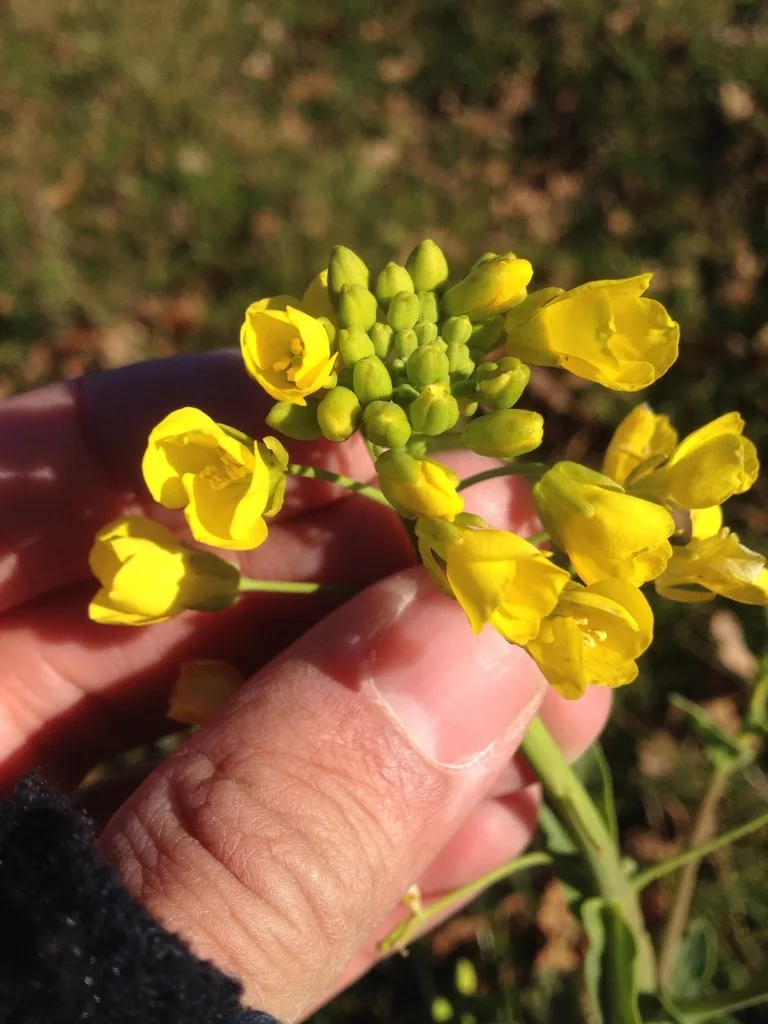
| Care difficulty | 2 / 5 |
|---|---|
| Watering schedule | Keep soil moist |
| Sunlight requirements | Full sun |
| Ideal temperature | 10 – 20 °C |
| Soil type | Loam |
| Soil pH | Neutral |
| Soil moisture | Moist but well drained |
| Fertilizing | Every 2 weeks during growing season |
| Toxicity | Non-toxic to humans and pets. |
How to Water Pak choi?
Keep soil moist
Learn more →What Are the Sunlight Requirements for Pak choi?
Full sun
Learn more →What Is the Ideal Temperature Range for Pak choi?

10 – 20 °C
Learn more →What Soil Is Best for Pak choi?
- Soil type
- Loam
- Soil pH
- Neutral
What Are the Moisture Requirements for Pak choi?
Moist but well drained
Learn more →How to Fertilize Pak choi?

Every 2 weeks during growing season
Learn more →How to Prune Pak choi?

No regular pruning required. Harvest outer leaves regularly to encourage new growth and delay bolting. Cut the whole plant at the base when it reaches full size.
Learn more →How to Propagate Pak choi?

Propagate by seed sown directly in the garden or in modules. Sow seeds 0.5–1 cm deep in moist soil at 15–20°C. Thin seedlings to 15–20 cm apart. Germination takes 5–10 days. For a later crop, sow in late summer for autumn harvest.
Learn more →How to Plant Pak choi?
Grow pak choi in a sunny, sheltered position with fertile, well-drained soil rich in organic matter. Water regularly to keep the soil consistently moist, especially during dry spells. Apply a balanced liquid fertilizer every two weeks during the growing season to promote leafy growth. For a continuous harvest, sow seeds in succession every 2–3 weeks from spring to early autumn. Protect young plants from slugs and snails, and mulch to retain moisture and suppress weeds.
Learn more →Common Pests & Diseases

Diseases
Susceptible to downy mildew, clubroot, and black spot. Ensure good air circulation and avoid waterlogging. Rotate crops to reduce soil-borne diseases.
Pests
Common pests include aphids, flea beetles, cabbage white caterpillars, and slugs. Use floating row covers or insecticidal soap as needed.
Explore the plant health library →Troubleshooting
Early Bolting, Poor Harvest Quality, or Root Rot
Pak choi (Brassica rapa chinensis) requires steady soil moisture, well-drained fertile ground, and timely seasonal sowing/harvesting; heat waves, drought stress, or waterlogged soil quickly reduce quality.
| What you notice | Possible explanation | What to check next |
|---|---|---|
| Plant sends up a tall flower stalk prematurely (bolting) and leaves turn tough or bitter | High temperatures, long summer days, or irregular drought stress (especially in cool-season crops like Pak choi, Dill, Parsley, and Leeks) | Check recent daytime temperatures and soil moisture consistency |
| Lower leaves yellow and plants wilt or collapse at the base in wet soil | Waterlogged soil or soil-borne disease (Susceptible to downy mildew, clubroot, and black spot. Ensure good air circulation and avoid waterlogging. Rotate crops to reduce soil-borne diseases.) | Inspect soil drainage and lift a struggling plant to examine roots/bulbs |
- Grow in fertile, well-drained soil in full sun, spacing plants properly for good air circulation.
- Maintain even moisture without waterlogging: Keep soil moist.
- Harvest promptly at peak size/maturity, rotate crops annually in garden beds, and discard diseased plants rather than composting them.
For sweet corn (Zea mays), plant in a multi-row block/grid rather than a single row so wind pollination fills out the ears.
Leaf-Eating Caterpillars, Aphids, Leaf Miners, or Slugs
Tender foliage and developing bulbs or cobs of Pak choi (Brassica rapa chinensis) attract garden pests such as Common pests include aphids, flea beetles, cabbage white caterpillars, and slugs. Use floating row covers or insecticidal soap as needed..
| What you notice | Possible explanation | What to check next |
|---|---|---|
| Holes in leaves, winding pale tunnels inside leaves, or sticky clusters of aphids on tender shoots | Common pests (Common pests include aphids, flea beetles, cabbage white caterpillars, and slugs. Use floating row covers or insecticidal soap as needed.) | Inspect leaf undersides, inner crowns, and soil surface early in the morning |
| Powdery white coating or rusty/dark leaf spots in humid crowded beds | Fungal disease (Susceptible to downy mildew, clubroot, and black spot. Ensure good air circulation and avoid waterlogging. Rotate crops to reduce soil-borne diseases.) | Check plant spacing and whether overhead watering wets foliage late in the day |
- Protect young seedlings with fine insect mesh / floating row covers and remove slugs or caterpillars by hand.
- Water at the soil base in the morning so foliage dries quickly, and thin crowded seedlings to improve airflow.
- If using insecticidal soap or organic controls, follow label directions and pre-harvest intervals strictly.
Wash harvested greens, herbs, and vegetables thoroughly in clean water before kitchen use.
The Toxicity of Pak choi
Non-toxic to humans and pets.