
Pak choi
Also known as: Pak choi, Bok choy, Chinese white cabbage, Chinese mustard
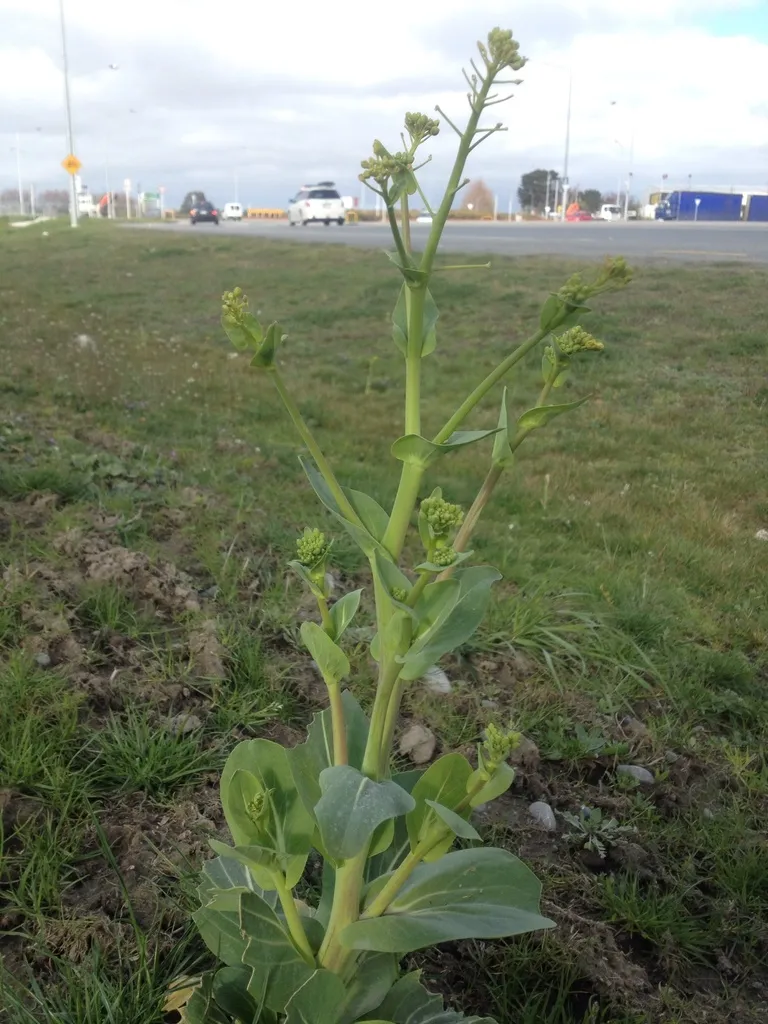
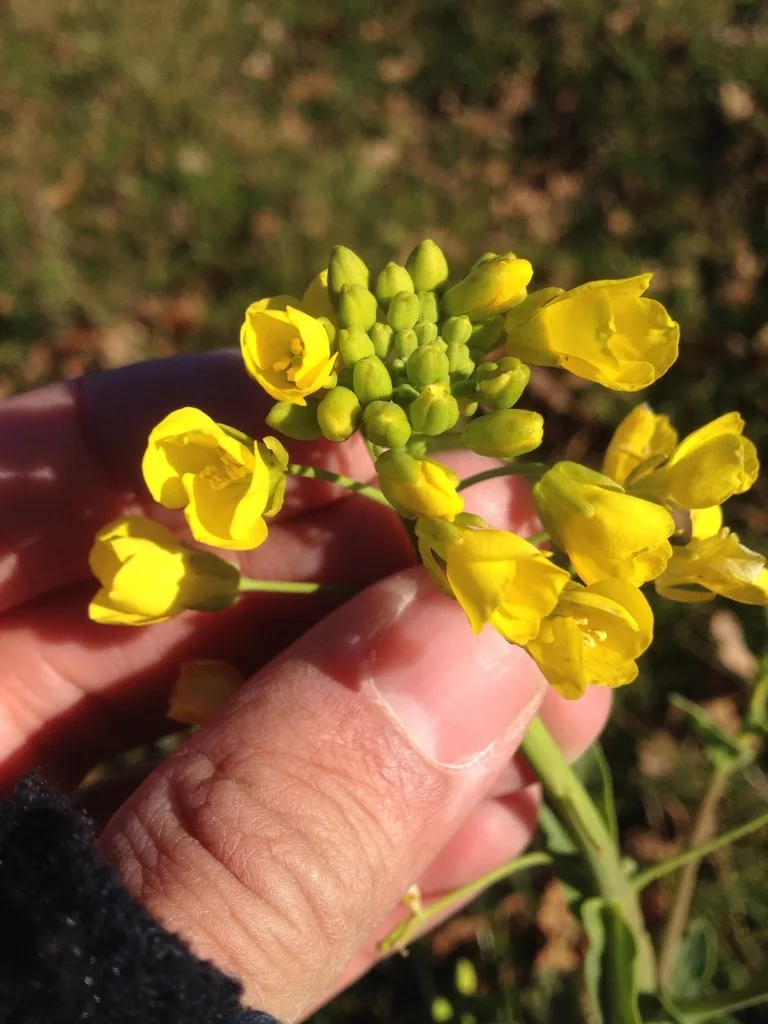
Brassica rapa chinensis, commonly known as pak choi or Chinese cabbage, forms a compact rosette of smooth, dark green leaves with thick, white or pale green petioles. The leaves are spoon-shaped and slightly puckered, with a crisp texture. It grows rapidly as an annual or biennial, reaching 20–40 cm in height. The plant is primarily grown for its edible leaves and stalks, which have a mild, slightly peppery flavor. It may produce small yellow four-petalled flowers if allowed to bolt in warm weather.
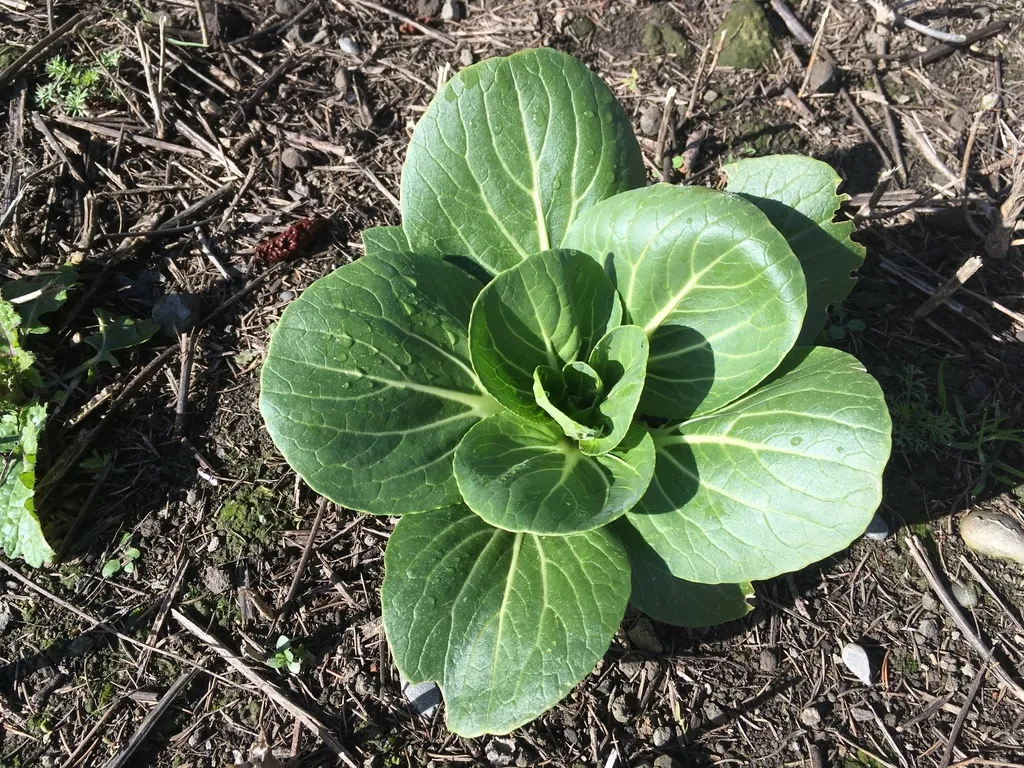
Scientific classification
- Species
- Pak choi (Brassica rapa chinensis)
- Genus
- Information to be completed
- Family
- Brassicaceae
- Non-toxic to humans and pets.
- Toxicity
- Annual Biennial · Fruit Edible
- Plant type
- 0.2 - 0.4 metres
- Height
- 0.2 - 0.3 metres
- Spread
- Deciduous
- Foliage
- Upright
- Habit
- Spring · Summer · Autumn
- Season of interest
- Full sun
- Sunlight
- 10 – 20 °C
- Ideal temperature









Pak choi pictures
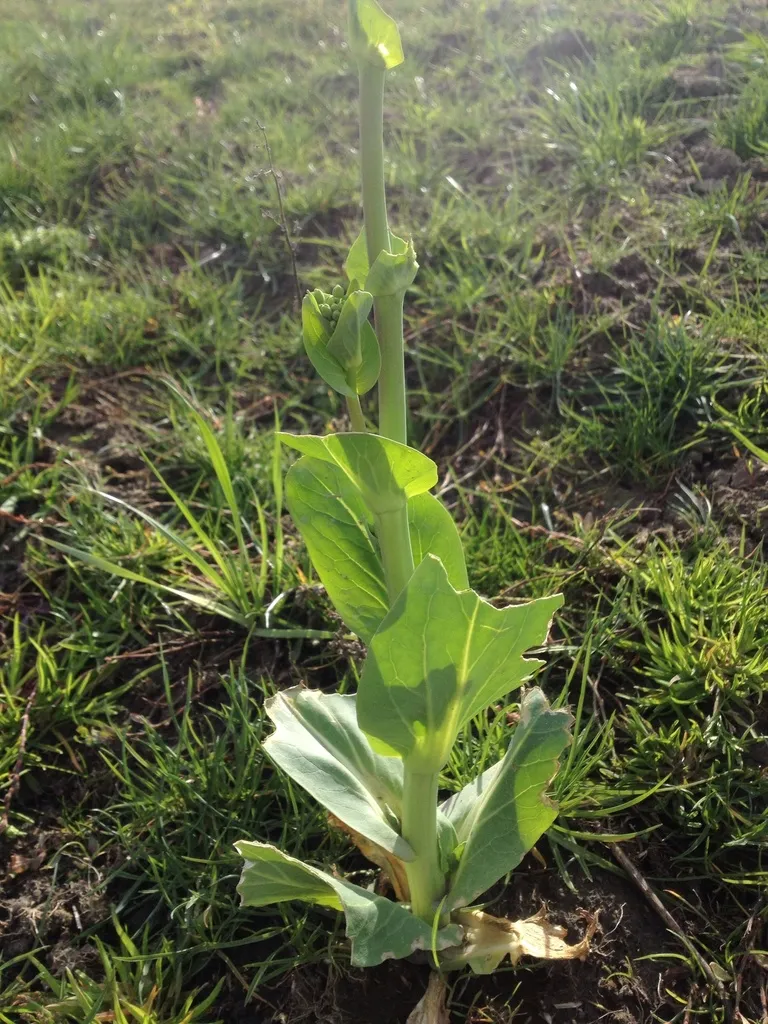
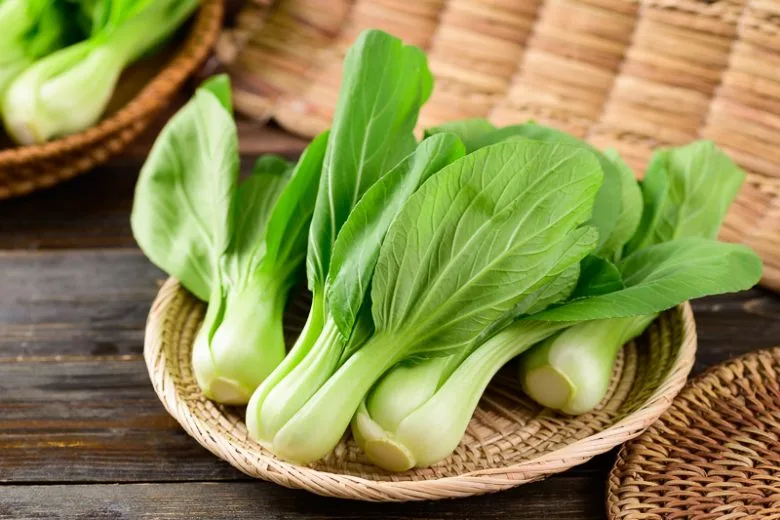
Distribution of Pak choi
Distribution map
Eastern Asia (originally cultivated in China)
Toxicity
Non-toxic to humans and pets.
Pak choi care guide
- Keep soil moist
- Watering
- Full sun
- Sunlight
- 10 – 20 °C
- Ideal temperature

Watering
Keep soil moist
Fertilizing
 Fertilizing
Every 2 weeks during growing season
Pruning
 Pruning
No regular pruning required. Harvest outer leaves regularly to encourage new growth and delay bolting. Cut the whole plant at the base when it reaches full size.
Propagation
 Propagation
Propagate by seed sown directly in the garden or in modules. Sow seeds 0.5–1 cm deep in moist soil at 15–20°C. Thin seedlings to 15–20 cm apart. Germination takes 5–10 days. For a later crop, sow in late summer for autumn harvest.
Growing
 Growing
Grow pak choi in a sunny, sheltered position with fertile, well-drained soil rich in organic matter. Water regularly to keep the soil consistently moist, especially during dry spells. Apply a balanced liquid fertilizer every two weeks during the growing season to promote leafy growth. For a continuous harvest, sow seeds in succession every 2–3 weeks from spring to early autumn. Protect young plants from slugs and snails, and mulch to retain moisture and suppress weeds.
Common pests and diseases
Diseases
Susceptible to downy mildew, clubroot, and black spot. Ensure good air circulation and avoid waterlogging. Rotate crops to reduce soil-borne diseases.
Pests
Common pests include aphids, flea beetles, cabbage white caterpillars, and slugs. Use floating row covers or insecticidal soap as needed.
Explore the plant health library →




