



Planting and Growing bird of paradise


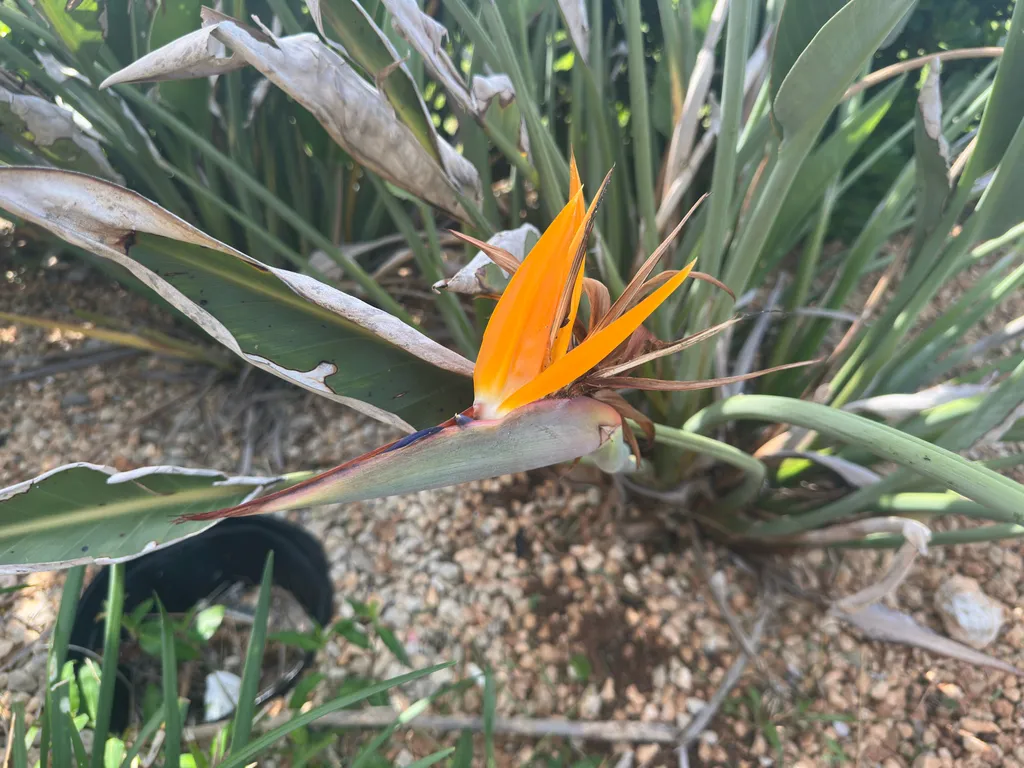
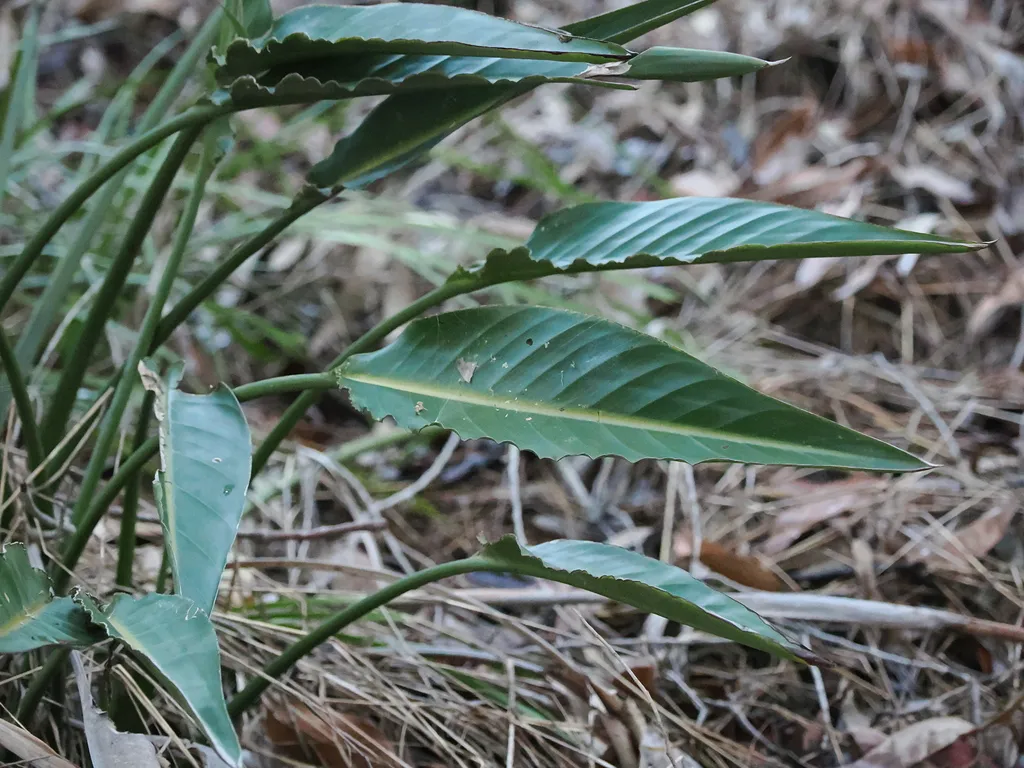
| Care difficulty | 3 / 5 |
|---|---|
| Watering schedule | Allow partial drying between deep waterings, less water in winter |
| Sunlight requirements | Full sun · Partial shade |
| Ideal temperature | 15 – 25 °C |
| Soil type | Chalk · Loam · Sand |
| Soil pH | Acid · Alkaline · Neutral |
| Soil moisture | Moist but well drained · Well drained |
| Fertilizing | Weak tropical flowering plant feed monthly spring to fall |
| Toxicity | Information to be completed |
How to Water bird of paradise?
Thriving in its native subtropical climes, bird of paradise has adapted to a regime where consistent moisture is key, yet it's resilient enough to withstand brief dry spells. This species prefers soil that mimics the well-draining but humus-rich earth of its natural habitat, requiring watering every week to maintain its lush foliage and vibrant blooms. Transitioning smoothly from water habits to practical care, gardeners should ensure a balance between hydration and drainage for optimal growth. As an evergreen plant commonly grown indoors due to its striking appearance, bird of paradise benefits significantly from regular misting to emulate the humidity of its native environment.
Learn more →What Are the Sunlight Requirements for bird of paradise?
Bird of paradise thrives in full sun environments, where it receives generous light to stimulate robust growth and vibrant blooms. Its tolerance extends to partial sun, with some resilience to fluctuating intensities. However, reduced light can impair flowering and lead to leggy growth. Bird of paradise is capable of adjusting its wide, flat leaves to maximize light absorption. Indoors, a south-facing window is preferable, while outdoors, a sunny spot with light afternoon shade ensures optimal health. Ensuring proper light conditions is crucial for bird of paradise's ornamental success.
Learn more →What Is the Ideal Temperature Range for bird of paradise?

Bird of paradise is moderately tolerant to temperature variations, enduring between 5℃ (41℉) and 43℃ (109℉). This resilience allows the plant to withstand some cold and heat extremes, although it thrives best within a narrower range. Care requires protective measures during extremely cold conditions to prevent leaf browning or blackening and overheating could cause wilting and sunburn. In cold weather, use frost cloths and relocate to warmer spots, while providing shade and regular watering helps in heat. Ideal for temperate climates, bird of paradise needs attentive care during temperature swings to maintain its vibrant foliage.
Learn more →What Soil Is Best for bird of paradise?
Bird of paradise requires well-drained, rich potting mix soil. It will grow in a variety of soil, but prefers it slightly acidic (pH 6.1-6.5). It will achieve its best growth in fertile soil, enhanced with additional organic matter such as compost. It is also smart to mulch the growing container as this will benefit the plant in many ways. Very important to avoid accumulated water in the soil which may cause its root system to rot.
- Soil type
- Chalk · Loam · Sand
- Soil pH
- Acid · Alkaline · Neutral
What Are the Moisture Requirements for bird of paradise?
Moist but well drained · Well drained
Learn more →How to Fertilize bird of paradise?

Fertilizing bird of paradise with high-phosphorus fertilizers every two weeks during growth seasons enhances blooming and strengthens roots. In winter, reduce to once a month. Apply per label directions—usually a quarter to half recommended strength. Excess can harm, causing fertilizer burn. For optimal uptake, ensure soil is moist before application. This feeding routine promotes bird of paradise's vibrant flowers and robust health.
Learn more →How to Prune bird of paradise?

Bird of paradise, featuring vibrant, bird-like flowers, benefits from regular pruning to promote healthy growth. Optimal pruning time is from late winter to early spring, aligning with its growth cycle. Remove dead or damaged leaves and spent flower stalks to maintain appearance and vigor. Thinning congested areas allows better light penetration and air circulation. Proper pruning encourages new blooms and prevents overgrowth, ensuring bird of paradise thrives in your garden.
Learn more →How to Propagate bird of paradise?

Known for its vibrant plumage-like flowers, bird of paradise is propagated through division, a process where the root ball is carefully separated into smaller segments, each with at least one shoot. Gardeners should utilize sharp, sterilized tools to minimize damage and prevent disease transmission during division. After separation, each section is replanted in well-draining soil, ensuring adequate moisture and warmth to facilitate rooting and growth. Gentle handling and proper aftercare will ensure successful establishment of the divided bird of paradise specimens.
Learn more →How to Transplant bird of paradise?
For bird of paradise, the perfect time to transplant is from late spring to early summer, as the warmer soil temperatures promote root growth. Choose a sunny location with well-draining soil. Remember to provide ample space for its stunning foliage when selecting the transplant site.
Learn more →How to Care for bird of paradise in Winter?

Bird of paradise hails from the subtropical climates of South Africa. This resilient plant is typically unbothered by milder winters, acclimating through leaf drooping and slight growth deceleration. For colder zones, bring bird of paradise inside before the frost arrives. Sunlight mimics its native habitat and a controlled indoor temperature of around 60-70°F (15-21°C) keeps it thriving. With appropriate winter care, bird of paradise emerges vivacious in the spring!
Learn more →How to Plant bird of paradise?
Indoors-potted: Thriving indoors, bird of paradise craves high humidity. Regular misting encourages lush foliage but beware of over-watering which can lead to root issues. Outdoors-potted: Bird of paradise, when potted outside, demands well-draining containers and space for its roots to ensure the iconic flowers bloom. Outdoors-in the ground: Planted in the ground, bird of paradise flourishes with natural rainfall patterns but requires protection from frost, which can damage its vibrant plumage.
Learn more →How to Repot bird of paradise?
Repot bird of paradise, a large, upright plant, every 2-3 years in spring to accommodate its root growth. Choose a container 2 inches wider each time, ensuring drainage. Use rich, well-draining soil. After repotting, water sparingly and keep in bright, indirect light to allow the roots to settle. A consistent regimen will promote the bird of paradise's stunning foliage and unique inflorescence.
Learn more →How to Harvest bird of paradise?

Information to be completed
Learn more →Common Pests & Diseases

Diseases
Generally disease free
Pests
May be susceptible to scale insects, glasshouse red spider mite and mealybugs
Explore the plant health library →The Toxicity of bird of paradise
Information to be completed