



Planting and Growing white bird of paradise

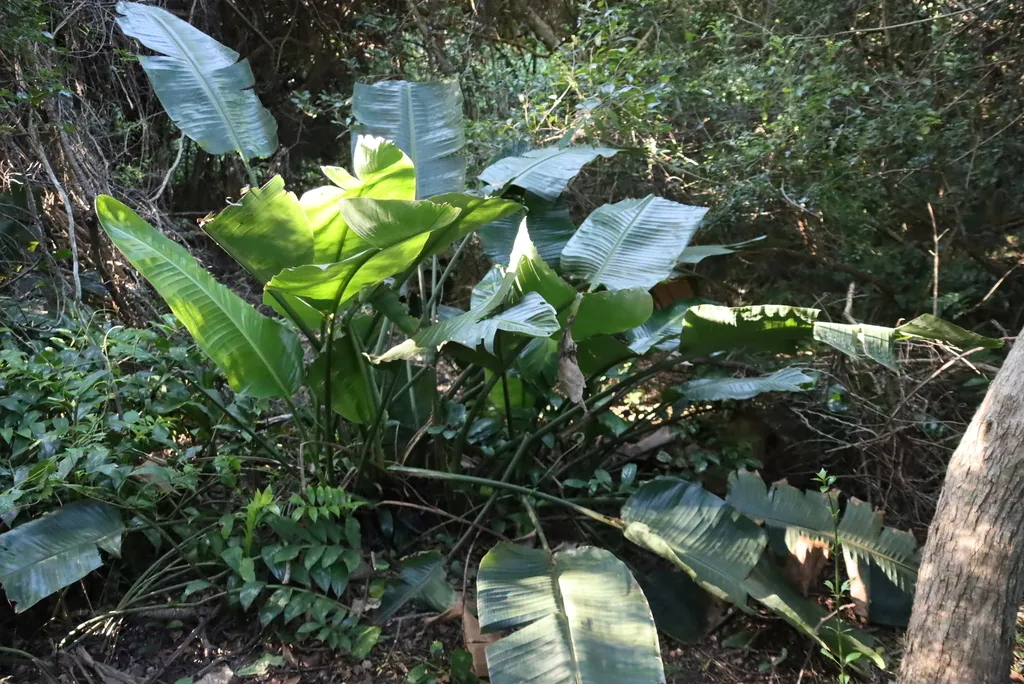
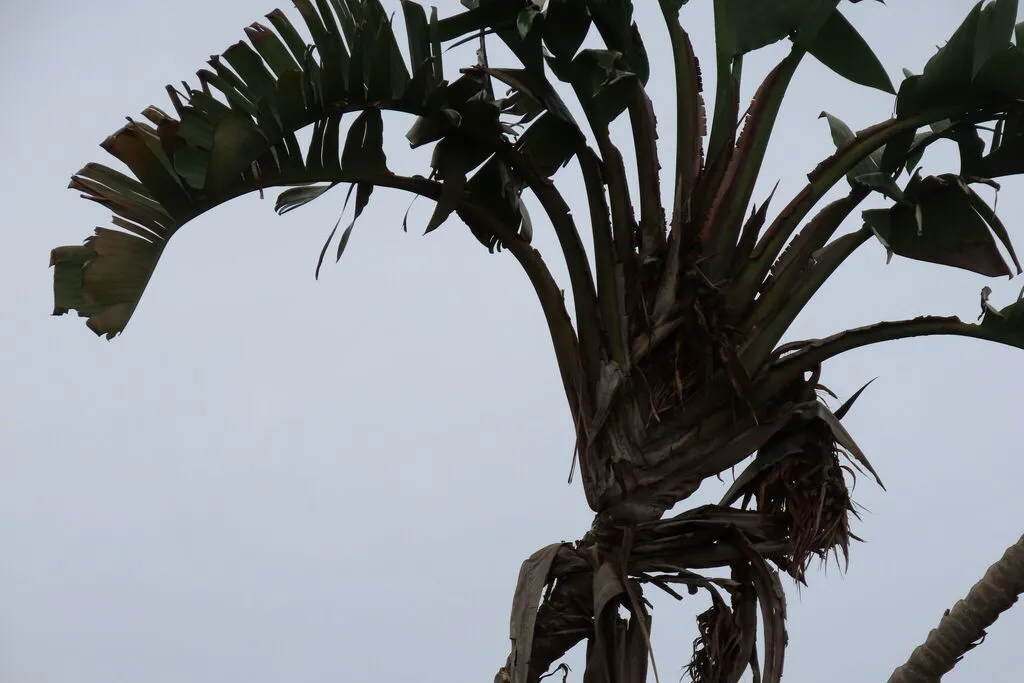
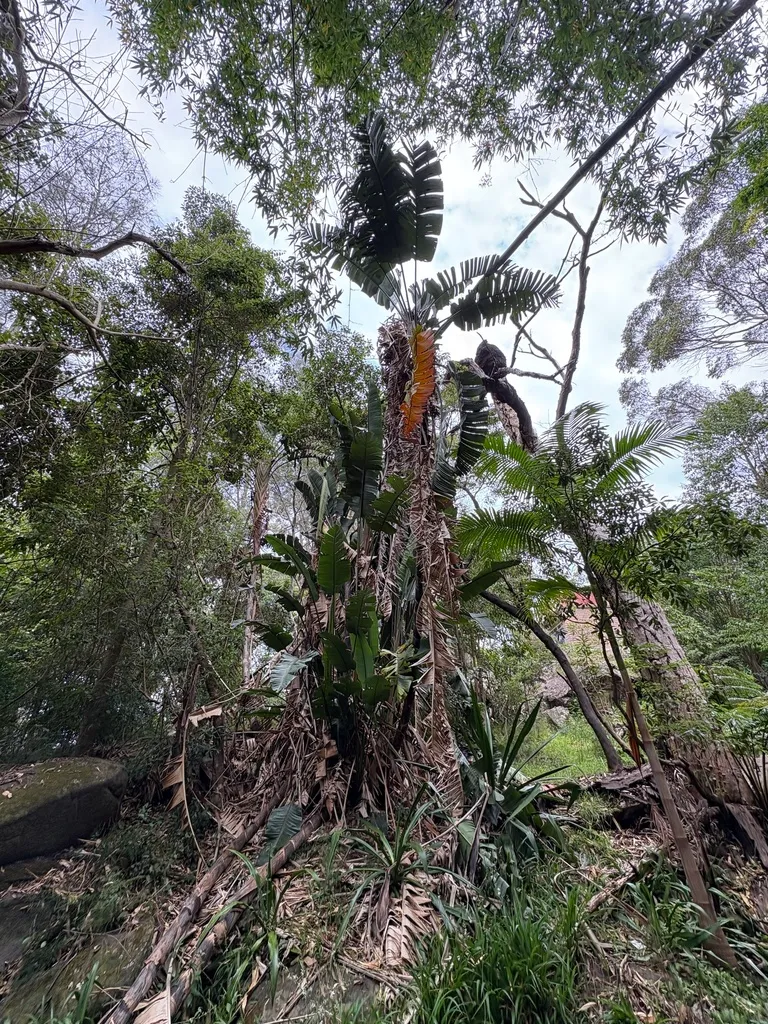
| Care difficulty | 3 / 5 |
|---|---|
| Watering schedule | Keep soil slightly moist, avoid overwatering |
| Sunlight requirements | Full sun · Partial shade |
| Ideal temperature | 15 – 25 °C |
| Soil type | Chalk · Loam · Sand |
| Soil pH | Acid · Alkaline · Neutral |
| Soil moisture | Moist but well drained · Well drained |
| Fertilizing | Monthly during growing season |
| Toxicity | Information to be completed |
How to Water white bird of paradise?
Wild banana hails from the humid tropics, thriving in areas with high rainfall. This plant has a preference for humidity and requires a balance between water and air around its roots. Watering should be done once every 1-2 weeks to maintain optimal moisture levels. As an evergreen plant often grown outdoors, wild banana is best suited to regions with consistent rainfall throughout the year.
Learn more →What Are the Sunlight Requirements for white bird of paradise?
Thriving in full sun, wild banana benefits most from receiving long hours of direct light to maximize growth, health, and flowering potential. While wild banana is quite adaptable, allowing it to endure partial sun, insufficient light can lead to fewer blooms and reduced vigor. In regions where intense light prevails, wild banana's broad leaves may adjust their orientation to mitigate exposure, preventing scorch. Indoors, a south-facing window offers an ideal location, whereas outdoors, a spot that receives unfiltered sunlight for at least six hours is recommended. Such optimal settings enable wild banana to flourish, showcasing its striking foliage and architectural presence.
Learn more →What Is the Ideal Temperature Range for white bird of paradise?

Wild banana is resilient to various temperature fluctuations. It tolerates cold down to -5°C (23°F) and can withstand heat up to 41°C (106°F). Such tolerance implies wild banana can adapt to a broad range of climates but needs care in extreme weather. In cold conditions, it may show signs of frostbite, while heat stress can cause wilting or leaf burn. During severe cold, insulating the plant and avoiding frost exposure is crucial. In extreme heat, ensuring adequate hydration and providing shade can mitigate damage. Understanding these tolerances aids in effective care and placement decisions.
Learn more →What Soil Is Best for white bird of paradise?
Wild banana thrives with proper soil aeration to prevent water-logging. A suitable soil mix contains equal parts potting mix, coarse sand, and peat or coco coir for improved drainage. If sand isn't available, perlite or pumice can be used. Ensure the mix is loose and well-draining. Regular light feedings with a balanced fertilizer encourage vibrant growth. Apply during the growing season as directed on the product's label.
- Soil type
- Chalk · Loam · Sand
- Soil pH
- Acid · Alkaline · Neutral
What Are the Moisture Requirements for white bird of paradise?
Moist but well drained · Well drained
Learn more →How to Fertilize white bird of paradise?

To ensure robust growth and vibrant foliage, wild banana benefits significantly from fertilization using balanced nutrition fertilizers. For optimal results, apply a balanced, slow-release fertilizer with equal parts nitrogen, phosphorus, and potassium every three months during the growing season. This regime encourages lush leaves and may support its striking flower production. Additionally, reduce fertilization in winter, as wild banana enters a period of dormancy requiring less nutritional support. When applying fertilizer, always follow package instructions to prevent root burn and promote the health of wild banana. With regular feeding, wild banana can maintain its tropical allure and structural integrity, making it a focal point in any garden.
Learn more →How to Prune white bird of paradise?

Wild banana features large, banana-like leaves and is renowned for its striking white and blue flowers. Prune wild banana in early spring or late winter to manage size and remove damaged or dead leaves. Cut off spent flower stalks to encourage new growth. Using sharp, sterile tools minimizes disease risk. Pruning enhances air circulation and light penetration, promoting healthier foliage. Avoid heavy pruning, as wild banana is slow-growing. Cross-reference with horticultural guides for best practices.
Learn more →How to Propagate white bird of paradise?

Wild banana, known for its striking foliage resembling a banana tree, thrives in well-drained soil and prefers bright, indirect light. The most effective way to propagate is through division, ideally separating smaller clumps with roots from the base of a mature plant. It's crucial to use a sharp, clean implement to minimize damage and disease. Post-division, it's essential to maintain consistent moisture and warmth to encourage root development, without overwatering which could foster rot.
Learn more →How to Transplant white bird of paradise?
Rehoming wild banana thrives when shifted amidst the vitality of early rejuvenation (spring), leveraging optimum growth conditions. Select an area with bright, indirect light and shelter from harsh elements. Gentle handling is pivotal to reduce root stress during the transition.
Learn more →How to Care for white bird of paradise in Winter?

Wild banana originates from subtropical climates, blessed with a robust constitution to endure slightly colder spells. Despite being a tropical plant, it enters a dormancy period in winter to conserve energy. Gardeners should ensure wild banana gets bright, indirect sunlight and isn't exposed to temperatures below 10°C. Regular watering regimen should be reduced, but a humid environment maintained. Protect wild banana from frost which, unlike its native climate, it isn't adapted to survive.
Learn more →How to Plant white bird of paradise?
Indoors-potted: For wild banana indoors, ensure ample space as it grows tall; pruning helps manage its size and promotes lush foliage. Outdoors-potted: Wild banana thrives outdoors in pots, but rotate them for even growth due to its tendency to lean towards light sources. Outdoors-in the ground: When planting wild banana outside, be mindful of space as it can spread wide; allow room for its bird-like flower displays.
Learn more →How to Repot white bird of paradise?
Repot wild banana every 2-3 years due to its fast growth and large size. Optimal repotting occurs in spring to align with its growth cycle. Choose a pot that's 1-2 sizes larger to accommodate roots and facilitate growth. Post-repotting, wild banana requires indirect light and consistent watering to thrive. A friendly reminder: patience is key; wild banana will soon flourish in its new abode.
Learn more →Common Pests & Diseases

Diseases
Generally disease free
Pests
May be attacked by scale insects, glasshouse red spider mite and mealybugs
Explore the plant health library →Troubleshooting
Splitting, Curling, or Browning Leaf Margins
Strelitzia nicolai (white bird of paradise) has large banana-like leaves that naturally split along lateral veins in wind or dry air so airflow passes through without snapping the leaf stalks.
| What you notice | Possible explanation | What to check next |
|---|---|---|
| Clean splits run inward from leaf margins along veins on otherwise healthy green leaves | Normal structural adaptation to wind and indoor air movement | Leave split leaves intact unless yellowed or tattered; splitting is natural and helps the leaf photosynthesize. |
| Leaf blades curl inward lengthwise and edges turn brown and crispy | Underwatering or very low indoor humidity | Feel 2 to 3 inches into the potting mix; water thoroughly if dry and check proximity to heating vents. |
| Lower leaves yellow and soften while potting mix stays wet or compacted | Overwatering or poor pot drainage | Empty standing water from the saucer and ensure the large container drains freely. |
- Allow the top 2 inches of potting mix to dry out before watering thoroughly, and empty excess water from the saucer promptly.
- Raise ambient humidity in dry rooms with a humidifier or grouping plants, and keep away from hot air vents and cold drafts.
- Wipe dust from the large leaves periodically with a damp cloth to keep stomata clean.
Do not trim away natural leaf splits; only prune completely yellowed or damaged leaves cleanly near the base.
Slow Growth or Lack of Blooms Indoors
Strelitzia nicolai is a massive tree-like perennial that needs very bright light and years of maturity before producing its white-and-blue bird-like flowers.
| What you notice | Possible explanation | What to check next |
|---|---|---|
| New leaves emerge slowly on long, weak petioles that lean toward a window | Insufficient light | Move the plant to a brighter south-, west-, or east-facing window and rotate the pot regularly. |
| Healthy indoor plant produces large foliage but never flowers | Young plant size or insufficient high-intensity sunlight indoors | Provide at least 4 to 6 hours of direct or very bright filtered sun, or move outdoors in frost-free summer weather. |
- Place in bright light with several hours of gentle direct sun (acclimating gradually if moved from shade).
- Fertilize monthly during spring and summer with a balanced liquid fertilizer at half strength, and reduce or pause feeding in winter.
- Repot every 2 to 3 years in spring only when thick fleshy roots crowd the pot, choosing a heavy, stable container.
Strelitzia nicolai is listed as mildly toxic to cats and dogs by the ASPCA if foliage or seeds are ingested.