



Planting and Growing Rex Begonia

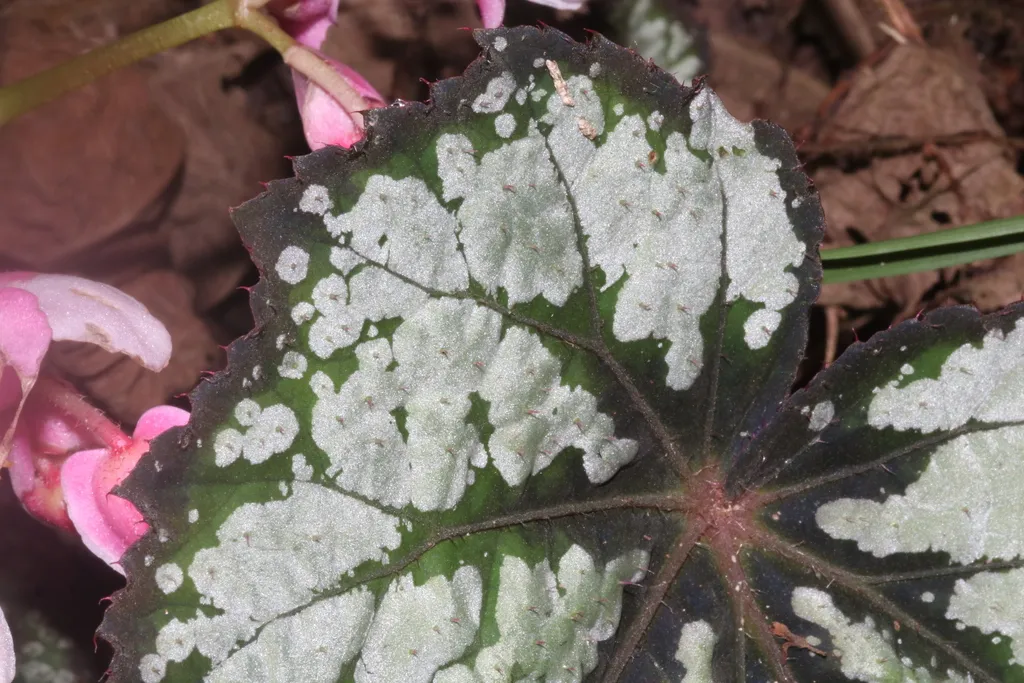
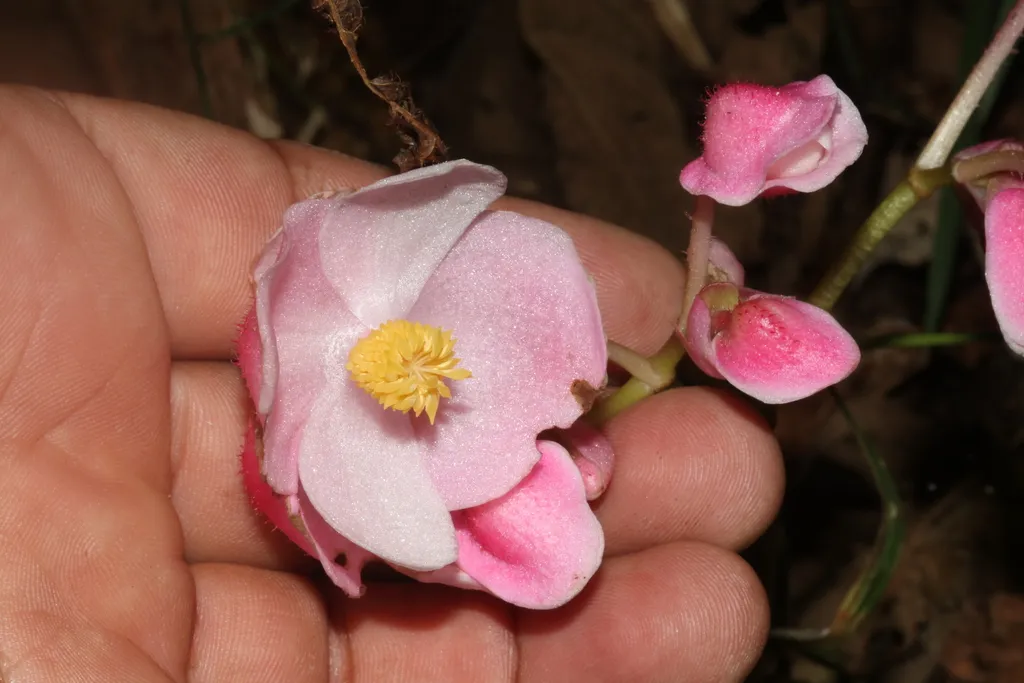
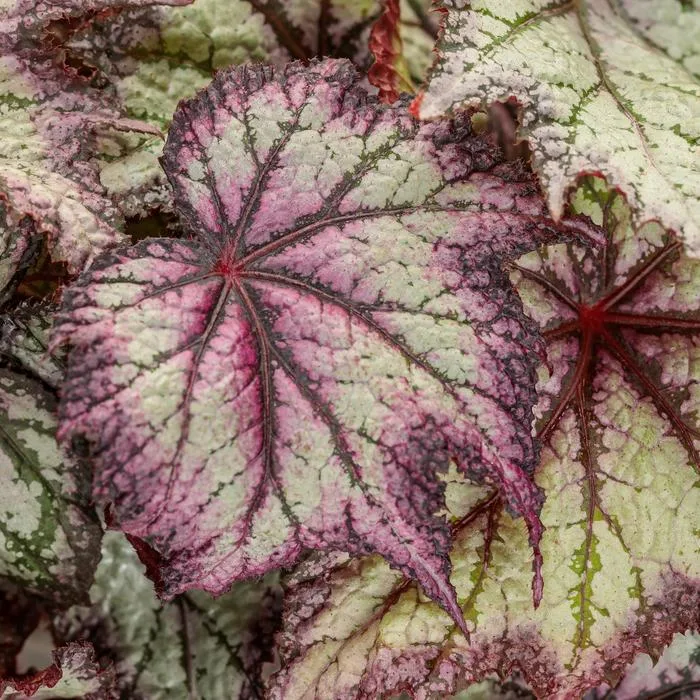
| Care difficulty | 3 / 5 |
|---|---|
| Watering schedule | Water when top inch of soil feels dry |
| Sunlight requirements | Bright indirect light |
| Ideal temperature | 15 – 25 °C |
| Soil type | Loam · Peat |
| Soil pH | Acid · Neutral |
| Soil moisture | Moist but well drained |
| Fertilizing | Every 4 weeks during growing season |
| Toxicity | Toxic to cats, dogs, and humans if ingested, due to calcium oxalate crystals. Keep out of reach of pets and children. |
How to Water Rex Begonia?
Water when top inch of soil feels dry
Learn more →What Are the Sunlight Requirements for Rex Begonia?
Bright indirect light
Learn more →What Is the Ideal Temperature Range for Rex Begonia?

15 – 25 °C
Learn more →What Soil Is Best for Rex Begonia?
- Soil type
- Loam · Peat
- Soil pH
- Acid · Neutral
What Are the Moisture Requirements for Rex Begonia?
Moist but well drained
Learn more →How to Fertilize Rex Begonia?

Every 4 weeks during growing season
Learn more →How to Prune Rex Begonia?

Remove dead or yellowing leaves and spent flower stems to maintain shape. Cut back leggy growth in early spring to encourage bushier growth.
Learn more →How to Propagate Rex Begonia?

Propagate by leaf cuttings or stem cuttings in spring or early summer. Take a healthy leaf with a 2-3 cm petiole, insert it into moist propagating mix, and cover with a plastic bag to maintain humidity. Keep at 20-25°C until roots and new plantlets form, usually within 4-6 weeks.
Learn more →How to Plant Rex Begonia?
Grow Rex Begonia in bright, indirect light; direct sun will scorch the leaves. Use a well-drained, peat-based potting mix that retains moisture without waterlogging. Water when the top inch of soil feels dry, and reduce watering in winter. Maintain high humidity by placing on a pebble tray or using a humidifier, but avoid wetting the leaves to prevent fungal diseases. Fertilize every four weeks during the growing season with a balanced liquid fertilizer diluted to half strength.
Learn more →Common Pests & Diseases

Diseases
Susceptible to powdery mildew, botrytis, and root rot if overwatered or kept in poor air circulation. Ensure good ventilation and avoid wet foliage.
Pests
Common pests include aphids, spider mites, and mealybugs. Inspect regularly and treat with insecticidal soap or neem oil if infestation occurs.
Explore the plant health library →Troubleshooting
Crispy Leaf Edges, Powdery Mildew, and Stem/Rhizome Rot
Rex begonias grow from fleshy surface rhizomes and have thin, patterned leaves that crisp in dry air yet rot quickly if water sits on the foliage or the potting mix stays soggy.
| What you notice | Possible explanation | What to check next |
|---|---|---|
| Leaf margins turn brown and dry while potting mix is moderately moist | Low indoor humidity or dry drafts from heating/AC vents | Move away from air vents and raise ambient humidity without spraying water onto the leaves. |
| White powdery spots or water-soaked gray/brown blotches appear on leaves | Powdery mildew or Botrytis blight triggered by wet leaves and stagnant air | Stop misting foliage immediately, remove affected leaves, and improve air circulation. |
| Leaf petioles collapse at the base and the surface rhizome feels soft or mushy | Overwatering or rhizome rot from poorly draining soil | Stop watering, empty standing water, and inspect the rhizome; propagate healthy firm leaf sections if rot is present. |
- Water at the soil line (or bottom-water briefly) when the top 1 inch of potting mix feels dry, keeping the fuzzy leaves and surface rhizome dry.
- Grow in a shallow, well-draining pot with an airy peat- or coir-based mix amended with perlite.
- Provide bright, indirect light (such as near an east- or north-facing window) and good air circulation at 18°C to 24°C (65°F to 75°F).
Begonia rex and its hybrids contain soluble calcium oxalates (highest in the rhizomes) and are toxic to cats and dogs if ingested.
Fading Leaf Patterns or Winter Dormancy Slowdown
Metallic silver, pink, red, and purple leaf markings depend on bright filtered light, while shorter cooler winter days naturally slow growth.
| What you notice | Possible explanation | What to check next |
|---|---|---|
| Metallic or colorful leaf patterns look washed out or overly green | Insufficient indirect light | Move closer to a bright window out of direct midday sun. |
| Growth slows and some older outer leaves die back in winter | Natural seasonal slowdown in cooler, shorter days | Reduce watering slightly so the mix never stays cold and wet, and pause fertilizer until spring. |
- Place in bright, indirect light without harsh direct sun, which scorches the thin leaves.
- Feed lightly every 4 weeks during spring and summer with a diluted balanced liquid fertilizer at quarter to half strength, and skip feeding in winter.
- Propagate prized varieties easily in spring or summer via leaf-wedge or petiole cuttings in moist perlite/peat mix.
Never bury the horizontal rhizome deeply when repotting; keep it resting right at the soil surface.
The Toxicity of Rex Begonia
Toxic to cats, dogs, and humans if ingested, due to calcium oxalate crystals. Keep out of reach of pets and children.